









What is the story about?
The government is all set to table the bill in the Rajya Sabha to make any obstruction or insult to the national song 'Vande Mataram' a criminal offence
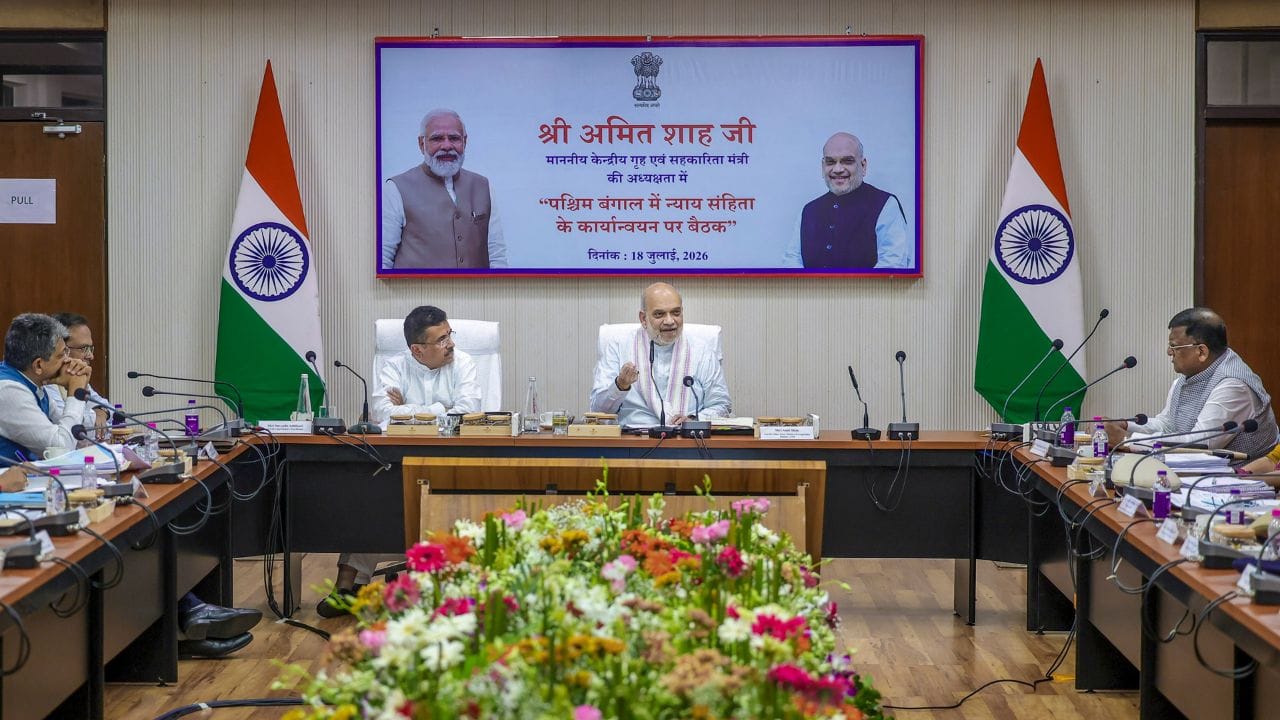
on Monday, the first day of the Monsoon Session of Parliament. The Prevention of Insults to National Honour (Amendment) Bill, 2026, has been listed on the agenda of the Rajya Sabha for Monday, July 20. The bill will be tabled by Union Home Minister Amit Shah. Earlier, the Union home ministry had written to all the states, making the playing or singing of ‘Vande Mataram’ mandatory at all official events where 'Jana Gana Mana' is sung.
What Vande Mataram Bill Consists - Explained
The Prevention of Insults to National Honour (Amendment) Bill, 2026 will amend the Prevention of Insults to National Honour Act, 1971.
The Prevention of Insults to National Honour Act, 1971, makes desecration of or disrespect toward the country's national symbols a criminal offence, carrying a punishment of up to three years’ imprisonment. The entities presently listed are - the national flag, the Constitution, and the national anthem.
Now, the Centre seeks to ensure the same statutory protection as the national anthem, 'Jana Gana Mana', national song 'Vande Mataram'.
According to the provisions of the bill, any act causing obstruction in the singing of the national song or causing insult to it in any form would be made punishable.
BJP-Congress Lock Horns Over Vande Mataram Bill
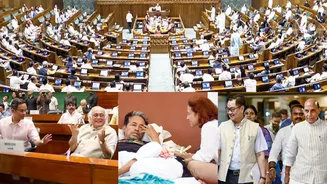
The Bharatiya Janata Party (BJP) and Congress have locked horns over the amendment bill. While the ruling BJP criticised the Congress for allegedly opposing the Centre's move to table a Bill that provides for punishment for insulting or obstructing the mandatory singing of Vande Mataram.
BJP national spokesperson Shehzad Poonawalla, earlier this week, alleged that instead of welcoming the move and celebrating 150 years of Vande Mataram, the Congress has a problem with it.
"Congress and its ecosystem hate Vande Mataram. The government is bringing the Prevention of Insults to National Honour Act in order to give Vande Mataram, as the national song, the same respect given to the national flag and the national anthem. But instead of welcoming this, instead of celebrating the 150 years of Vande Mataram, Congress has a problem with it," he said in a video statement.
Poonawalla alleged that the first Prime Minister, Jawaharlal Nehru, divided the national song into two parts under pressure from the Muslim League, and that several Congress leaders refused to sing even the first two stanzas.
On the Vande Mataram Bill to be introduced in the Rajya Sabha, Congress MP Renuka Chowdhury on Sunday said, "Forget the Bill for now. First, Sonam Wangchuk has been detained... What kind of way is this?"
The Congress is expected to oppose the bill, with Congress MP Benny Behanan saying, "We have already expressed our views on these national songs. These national songs were decided after a very long discussion in Parliament years ago. The Constituent Assembly had a very long discussion... So, we will strongly oppose this."
Congress MP Sukhdeo Bhagat on the Vande Mataram Bill said, "...The Constituent Assembly had people from all parties. Everyone collectively decided which stanza should be taken. 'Vande Mataram' was associated with public sentiment during the partition of Bengal and the inspiration of the freedom movement. I think they are somehow playing with that sentiment. In the name of the national song, their thinking is very narrow..."
When Parliament Witnessed the Vande Mataram Debate
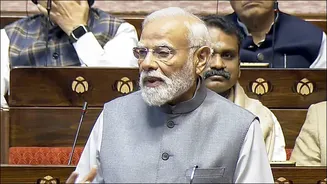
The Parliament witnessed detailed discussions on 'Vande Mataram' last year, where Prime Minister Narendra Modi had accsused former Prime Minister Jawaharlal Nehru of agreeing to Muslim Leagues's demands that "Vande Mataram's background in the Anand Math can irritate Muslims."
In response, the Congress MP Jairam Ramesh termed PM Modi "the Master Distorian", while MP Gaurav Gogoi said, "With great humility, I wish to say to Narendra Modi Ji and his entire system. No matter how hard you try - you won't be able to put even a single black mark on Pandit Nehru Ji's contributions."