







Crude oil prices extended their decline on Friday, September 18, with both major benchmarks falling by more than 1 per cent at one point as concerns over
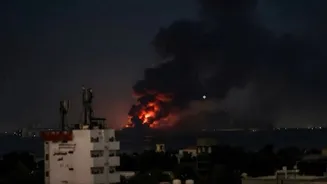
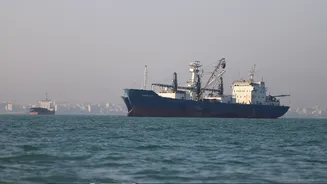
immediate supply disruptions eased. Despite the decline, Brent and West Texas Intermediate (WTI) continued to trade above the psychologically important $100-a-barrel mark. Additionally, according to the PPAC website, the Crude Oil Indian Basket for September stood at $112. Brent crude futures fell $1.01, or 1.04 per cent, to $103.70 a barrel, while US WTI futures dropped 94 cents, or 0.92 per cent, to $101 a barrel. Both benchmarks had already declined by around 1 per cent in the previous session. Reuters also reported that oil was heading for a third consecutive session of losses as markets assessed alternative routes for Middle Eastern crude supplies. The latest weakness came despite renewed military exchanges between Saudi Arabia and Yemen's Iran-backed Houthis. For now, traders appeared more focused on signs that Saudi Arabia could restore disrupted oil flows and reroute cargoes to international buyers. Saudi Supply Concerns Ease Oil markets had climbed to around four-month highs earlier in the week after crude loadings at Saudi Arabia's Red Sea export hub of Yanbu were suspended. Riyadh had also cancelled some deliveries to European customers following damage to its East-West pipeline. Fresh satellite imagery and industry sources cited by Reuters indicated that three pumping stations along the pipeline had been damaged, compared with two previously identified. The 1,200-km pipeline is a critical route for moving Saudi crude towards the Red Sea and can transport roughly 4 million to 5 million barrels per day, equivalent to around 4 per cent-5 per cent of global supply. However, concerns over a prolonged disruption have eased somewhat after reports that Saudi Arabia was working to restore part of the pipeline's capacity within days. Riyadh has also been looking at alternative ways of supplying Asian customers, including ship-to-ship transfers near Oman's Sohar port. These developments have helped reduce some of the immediate supply fears that had pushed crude sharply higher earlier in the week. Oil Market Still Faces Geopolitical Risks The decline in crude prices does not mean the supply outlook has normalised. The latest Saudi-Houthi exchanges have added another layer of uncertainty to an already fragile Middle Eastern energy market. The East-West pipeline is particularly important because it provides Saudi Arabia with an alternative route to move crude towards the Red Sea, reducing dependence on routes affected by disruptions around the Strait of Hormuz. Reuters reported that the pipeline damage had forced a temporary shutdown, while estimates on the repair timeline have varied. The continued uncertainty means any fresh attacks on energy infrastructure or shipping could quickly revive concerns about global supplies. Goldman Sachs Flags $120 Oil Scenario The possibility of further disruptions remains a major factor for crude prices. Goldman Sachs has warned that oil could climb towards $120 a barrel if attacks on Middle Eastern shipping intensify. Daan Struyven, co-head of global commodities research at Goldman Sachs, said recent events indicated that the risk of shipping disruptions spreading and becoming more severe was important. Struyven said Goldman Sachs sees "meaningful upside to crude oil prices" and also expects natural gas and refined product prices to rise. He added that supply shocks in gas and fuels are larger than those in the crude market. At the same time, Goldman Sachs has outlined a significantly lower-price scenario if Middle Eastern exports return to normal. The bank has previously indicated that Brent could fall towards $80 a barrel under such conditions. Analysts Watch Strait Of Hormuz The Strait of Hormuz remains another major source of uncertainty for the oil market. Any prolonged disruption around the key shipping route could put additional pressure on crude supplies and transportation costs. Citi has raised its average Brent crude price forecast for the third quarter to $86 a barrel from $80, citing expectations around the timeline for the reopening of the Strait of Hormuz. ANZ analysts have also increased their short-term Brent forecast to $95 a barrel and warned that prices could move higher if the Middle East conflict escalates.