






US President Donald Trump has brushed aside fears that artificial intelligence will trigger mass unemployment, arguing instead that AI will create so many
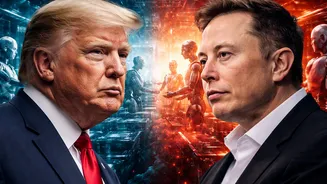
jobs that there may not be enough humans to fill them — forcing robots to step in. Speaking in a wide-ranging interview with The New York Times, Trump expressed strong confidence in AI’s ability to reshape the global economy through growth, investment and job creation, even as many technology leaders warn of large-scale workforce disruption. ‘AI will be a tremendous job producer’ Rejecting concerns that machines will replace human workers, Trump said AI would expand industries at such a rapid pace that labour shortages would emerge. “I think AI is going to be a tremendous job producer,” he said, adding that the scale of growth would eventually require robots to take up roles humans cannot fill fast enough. His comments stand in contrast to warnings from several tech leaders, including Elon Musk, who has repeatedly cautioned that artificial intelligence could eliminate vast numbers of jobs across industries. Musk warns of a jobless future Musk has argued that AI will not only replace some workers, but eventually most human labour altogether. He has likened future employment to growing vegetables — optional rather than necessary — as technology meets basic human needs. Musk has also claimed AI could surpass individual human intelligence as early as 2026 and exceed collective human intelligence soon after. ‘Whoever wins AI will lead the world’ Trump framed artificial intelligence as a strategic contest with global implications, saying dominance in AI would determine world leadership. “Whoever wins the artificial intelligence war is going to be really the leader of the world,” he said. However, Trump clarified that he views the AI race primarily through an economic lens — focused on money, growth and jobs — rather than cybersecurity or digital warfare. When asked whether increased reliance on AI could expose the US to cyber threats from China, Trump dismissed the concern, saying such activities already happen on both sides. “China did that anyway,” he said, adding that the US engages in similar actions. Jobs debate remains unresolved The impact of AI on employment continues to divide economists and labour experts. While some warn of widespread job losses as automation accelerates, others argue that AI will create new roles requiring different skills, offsetting disruptions over time. Trump’s remarks place him firmly in the camp that sees artificial intelligence as a net positive for jobs — and a decisive factor in shaping future global power.