





What is the story about?
European leaders expressed surprise on Monday regarding President Donald Trump's abrupt decision to withdraw thousands of U.S. troops from Germany, interpreting
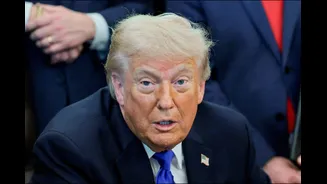
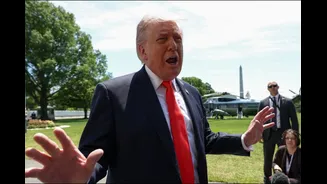
it as a clear indication that Europe must assume greater responsibility for its own security. The Pentagon announced last week plans to reduce U.S. troop presence in Germany by approximately 5,000, but Trump stated, “we’re going to cut way down. And we’re cutting a lot further than 5,000,” suggesting a more extensive reduction.
Reactions from European Leaders
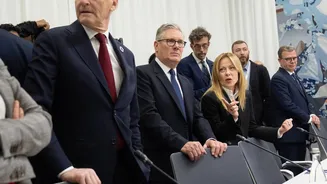
Norwegian Prime Minister Jonas Gahr Støre commented on the U.S. decision, stating, “I wouldn’t exaggerate that because I think we are expecting that Europe is taking more charge of its own security.” He emphasized the need for NATO to manage these changes harmoniously.British Prime Minister Keir Starmer stressed the necessity for a stronger European component within NATO, highlighting that “there needs to be a stronger European element in NATO, I have no doubt, about that.” He noted the existing tensions among international alliances, indicating the importance of addressing these issues.
Surprise at Timing
Kaja Kallas, the European Union’s foreign policy chief, remarked on the long-discussed U.S. troop withdrawal, saying, “the timing of this announcement comes as a surprise.” She added that it underscores the need for a reinforced European role within NATO.When asked if Trump’s decision was a punitive measure against German Chancellor Friedrich Merz, Kallas stated, “I don’t see into the head of President Trump, so he has to explain it himself.”
NATO's Response
NATO spokesperson Allison Hart confirmed that officials are collaborating with the U.S. to clarify the details of the troop reduction. European allies had been aware of potential troop withdrawals since Trump’s return to office, with some troops having already departed Romania.NATO Secretary-General Mark Rutte acknowledged the disappointment on the U.S. side regarding European support for military actions, particularly concerning Iran, and noted that countries like France and Spain have restricted U.S. military access to their bases.
Trade Relations and Tensions
In addition to military concerns, Trump’s administration has signaled an intent to raise tariffs on European automobiles, a move that could significantly impact Germany’s automotive industry. This follows accusations against the EU regarding trade deal compliance.European Commission President Ursula von der Leyen highlighted the bloc's recent trade agreements with Australia and India, asserting that partnerships with like-minded nations create stable supply chains and emphasizing the EU's extensive network of free trade agreements.