



What is the story about?
An Air India flight from Phuket to Delhi turned into a frightening ordeal for passengers on Tuesday, after the aircraft suddenly lost around 300 feet of
altitude mid-air, injuring at least 17 people onboard, including cabin crew. The Airbus A320neo, operating flight AI2379 with 137 passengers and eight crew members, landed safely in Delhi at 11:07 am despite the incident, and the Directorate General of Civil Aviation (DGCA) has launched an investigation. But what actually happens inside an aircraft when it drops suddenly like this — and why can it turn dangerous?
What Happened In Phuket-Delhi AI2379
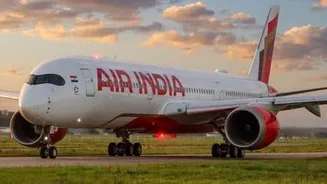
Air India A320 aircraft VT-EXO operating flight AI2379 (Phuket-Delhi) experienced loss of approximately 300 feet in altitude during the flight. The DGCA official said the incident was being investigated. Meanwhile, the ministry said the aircraft has been moved to the hangar and the Flight Data Recorder and Cockpit Voice Recorder have been secured for detailed examination.
Civil Aviation Minister K Rammohan Naidu along with Civil Aviation Secretary Samir Kumar Sinha and DGCA Director General Vir Vikram Yadav visited Fortis Hospital in the national capital to enquire about the condition of the injured passengers.
Why A Plane Can Suddenly Lose Altitude
Turbulence in aviation isn't a single phenomenon — it exists on a spectrum. "There are categories of turbulence: light, medium, high, and severe," explained aviation expert Captain Prashant Dhalla. In the most extreme cases, he said, the effects go beyond a bumpy ride. "In case of severe turbulence, the autopilot of the aircraft also disengages. The pilot is unable to reach the controls of the aircraft. It can be life-threatening."
Why The Drop Causes Injuries
According to Sanjay Lazar, CEO of Avialaz Consultants, altitude drops during turbulence aren't always small. "The aircraft could drop anywhere from 50 feet to 500 feet, and passengers who are not fastened with their seatbelts could actually hit the ceiling, could get injured," he said. This is consistent with what happened aboard AI2379 — officials said one cabin crew member suffered a severe injury, another sustained injuries, and several passengers were hurt, with eyewitnesses describing head injuries among the more serious cases.
Lazar noted that such incidents aren't unprecedented. "We've had a number of bad incidents in the last 20-30 years in aviation, so it's something that has got to be taken care of," he said, adding that this is precisely why pilots consistently advise passengers to keep their seatbelts loosely fastened throughout the flight — not just when the seatbelt sign is on.
On May 21, 2024, a Singapore Airlines flight from London to Singapore faced severe turbulence, following which one passenger died due to suspected heart attack and many others were injured.
Among other such serious incidents, a SpiceJet flight from Mumbai to Durgapur had faced severe turbulence on May 1, 2022, resulting in the death of a passenger and injuries to several others.