





What is the story about?
Several countries in India's neighbourhood, including Pakistan, Sri Lanka, Bangladesh and Nepal, have announced measures to reduce fuel and energy consumption
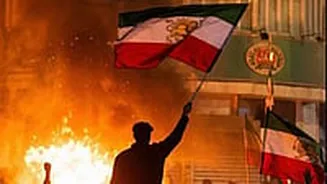
as the escalating Iran war continues to disrupt global energy trade. The Iran war that began on February 28, after the US and Israel carried out strikes on Tehran, killing the country's Supreme Leader, Ayatollah Ali Khamenei. Tehran retaliated with strikes across West Asia and Israel.
Nepal Announces Two-Day Weekly Holiday
Nepal on Sunday announced two days of weekly holidays for government offices and academic institutions in the wake of fuel supply crunch. The Council of Ministers decided to provide Saturday and Sunday as weekly holidays, in a meeting held on Sunday at Singhdurbar Secretariat. Earlier, only Saturday was a holiday in Nepal at government offices. Check Iran War Live Updates Here
"The Cabinet decided to provide two-day, Saturday and Sunday, as weekly holidays effective from Monday, April 6, for all government offices and academic institutions, and the office hours will be 9-5," government spokesperson Sasmit Pokharel said after the cabinet meeting.
Bangladesh Sets 9am-4pm Office Hours, Orders Closure of Malls and Shops
Bangladesh, last week, had announced a series of austerity measures to handle its energy crisis, including shorter office hours, early market closures and spending cuts, local media reported.
The government has ordered all private and government offices to operate from 9am to 4pm, reducing working hours by one hour. The Banks have been ordered to provide customer services from 9am to 3pm, however, internal operations are allowed until 4pm, it said.
All markets and shops have been asked to close after 6 pm, however, essential services, like kitchen markets, pharmacies and food outlets have been exempted.
Sri Lanka Announces 4-Day Work Week
Earlier this month, Sri Lanka shifted to 4-day work week, declaring every Wednesday a holiday for public institutions. The four-day work week is also applicable to schools and universities, however, essential services, like health, have been exempted.
Authorities picked Wednesday instead of Friday as the additional off day so that government offices would not be closed for three days in a row, reported BBC.
The country has also launched 'fuel quota' asking motorists to register for a National Fuel Pass which rations the amount of fuel that people can buy.
Fuel Prices Skyrocket in Pakistan
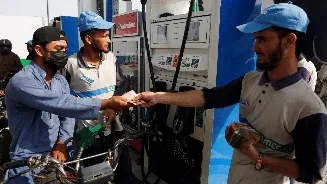
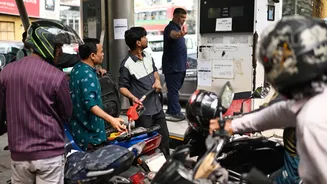
The Pakistani government had first triggered outrage by raising petrol prices by 42.7% to 485 rupees per litre, sparking street protests and long queues at fuel stations. However, Prime Minister Shehbaz Sharif later rolled back the hike, reducing the price to 378 rupees per litre.
Sharif did not reduce the price for diesel, which will remain at 520 rupees per litre following a 54.9-percent price hike.
Pakistan has said that state-run public transport in the capital and most populous province will be free for the coming month. "All public transport in Islamabad will be made free of cost for the general public for the next 30 days, starting tomorrow (Saturday)," Interior Minister Mohsin Naqvi wrote on X.
The chief minister of Pakistan's most populous province, Punjab, also lifted the cost of travel for state-run public transport, and announced "targeted subsidies" for trucks and buses.
Maryam Nawaz Sharif urged operators not to pass on increased costs to passengers, adding: "We promise to relieve the public of economic burden as soon as conditions improve."
In Sindh, the provincial government in Pakistan's biggest city, Karachi, announced similar subsidies for motorcyclists and small farmers.
Other countries in Asia, like Thailand, have asked people to swap suits for short-sleeved tees to reduce reliance on air conditioning, while in the Philippines, some government offices have mandated that staff work from home at least one day a week.
(With agency inputs)