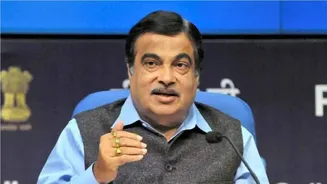

Mumbai: Union Minister Nitin Gadkari has approached the Bombay High Court seeking action against social media posts and alleged deepfake content falsely
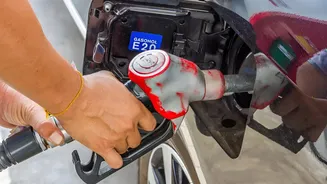
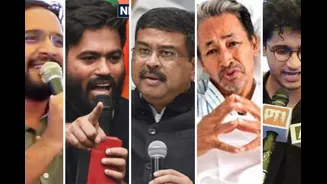
claiming that he and his family financially benefited from the country's E20 ethanol blending programme, targeting Meta and other social media platforms along with unidentified individuals responsible for creating and circulating the content. In his plea, Gadkari argued that the allegations are false and misleading, pointing out that theethanol blending programme is implemented by the Ministry of Petroleum and Natural Gas and not by his ministry. The proposed suit focuses on the removal of the alleged defamatory content and holding those responsible accountable. The matter came up before Justice Abhay Ahuja, where Gadkari's counsel submitted that the disputed posts were widely available online, including in Mumbai, giving the Bombay High Court jurisdiction to hear the case. Since some parts of the case involve content accessible beyond Mumbai, Gadkari first sought the court's permission under Clause XII of the Letters Patent, a legal requirement in such situations. After considering the submissions, the court permitted him to file the civil suit against the social media platforms and other unidentified parties. The development comes nearly two weeks after Nagpur Police registered an FIR against four social media influencers for allegedly spreading false claims linking Union Minister Nitin Gadkari and his family to the government's E20 ethanol blending programme. Those named in the FIR include YouTuber-turned-politician Manish Kashyap, the Instagram account Desi Boys (@desi_boysncr), and influencers Harshit Rathi and Ankleash Invatee. The case comes amid an ongoing debate over the Centre's E20 fuel rollout, which blends 20 per cent ethanol with 80 per cent petrol. While the government has maintained that E20 is safe for compatible vehicles and is a key part of India's energy transition strategy, several motorists, automobile enthusiasts and social media influencers have questioned its impact on fuel efficiency and alleged that higher ethanol content could damage older vehicles not designed to run on the blend.