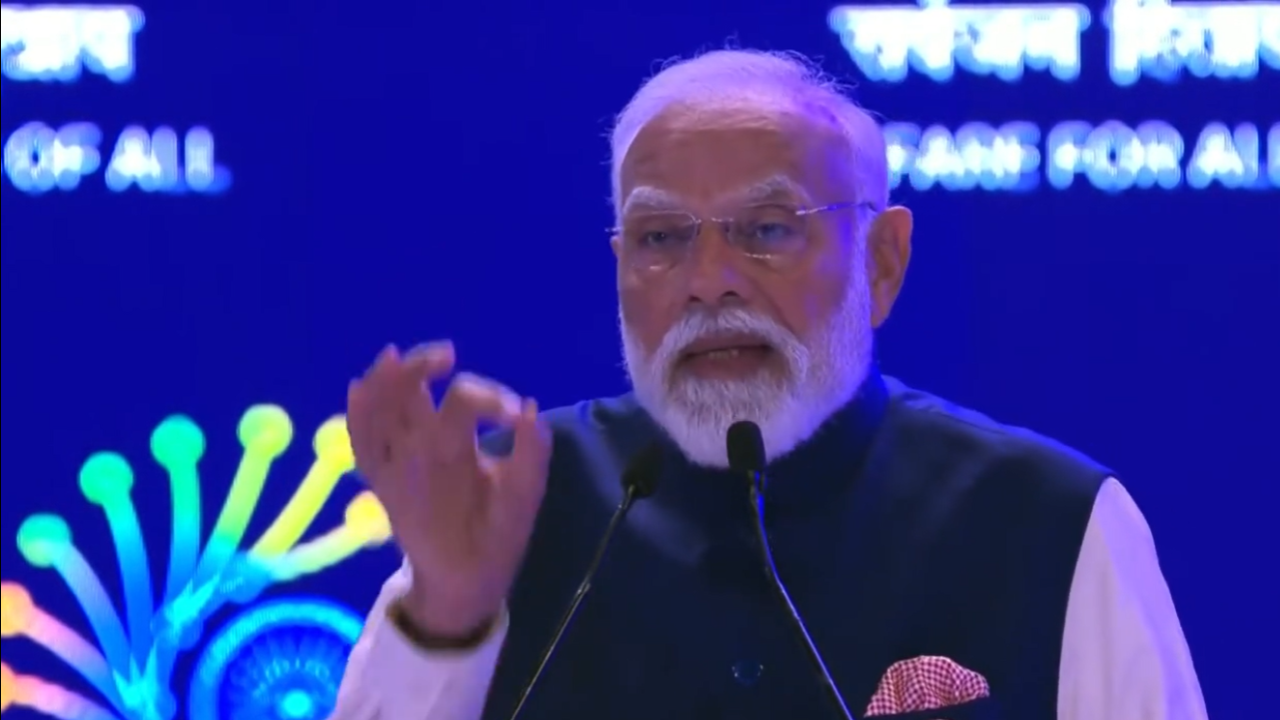




On February 19, 2026, Prime Minister Narendra Modi delivered a keynote address at the India AI Impact Summit held at Bharat Mandapam in New Delhi. This
landmark event — the first major global AI summit hosted in the Global South — brought together world leaders, tech executives including OpenAI's Sam Altman and Google DeepMind's Dennis Hassabis, industry titans like Mukesh Ambani, and representatives from 118 countries. Amid discussions on AI governance, ethics, sovereign capabilities, and bridging the Global North-South divide, PM Modi's speech stood out for its optimistic yet pragmatic take on one of the most pressing concerns: the future of work in an AI-driven world. Drawing parallels to historical technological shifts, the Prime Minister directly addressed widespread anxieties about job displacement. He stated: "Decades ago, when the internet started, no one could have imagined how many jobs it would create. The same is true for AI. Today, it is difficult to imagine what kind of jobs will be created in this field in the future. The future of work in AI is not predefined. It will depend on our decisions, our course and course of action. I believe the future of work is a new opportunity for us. This is the era of humans and intelligent systems working together..." This excerpt encapsulates the core message: AI is not an existential threat to employment but a catalyst for reinvention, collaboration, and unprecedented opportunity — provided humanity steers it responsibly. Watch Here:
India is not just a part of the AI revolution, but is leading and shaping it. Speaking at the India AI Impact Summit in Delhi.
— Narendra Modi (@narendramodi) February 19, 2026
https://t.co/m14PGy4LvI
The speech went beyond jobs to outline a holistic vision:
- Democratization of AI — Ensuring AI does not reduce humans to "mere raw material" or "data points." PM Modi called for making AI accessible, inclusive, and human-centric so benefits reach the masses.
- MANAV Vision — A framework (Moral, Accountable, National, Accessible, Verified) for trusted, ethical AI development.
- Global Responsibility — Warning against "directionless" AI that becomes disruptive, and urging safeguards like transparency to combat deepfakes.
- India's Ambition — Aiming for India to rank among the top three AI superpowers by 2047, with indigenous models serving billions in native languages, startups valued in hundreds of billions, and millions of high-quality jobs created.
He celebrated recent milestones, noting that three Indian companies launched AI models and apps during the summit, showcasing youthful talent.
Why This Message Resonates in 2026
As AI adoption accelerates worldwide — with automation reshaping industries from manufacturing to services — fears of mass unemployment persist. Reports indicate AI-related job postings in South Asia have surged, but many worry about displacement in traditional sectors. PM Modi's address reframes the narrative: AI augments human potential rather than supplants it.
By invoking the internet analogy, he reminds audiences that past tech revolutions (internet, mobile, digital payments in India) initially sparked job-loss concerns but ultimately generated far more opportunities — from app developers and digital marketers to gig economy platforms and data scientists.
His emphasis on lifelong learning, inclusion, and ethical governance aligns with global calls for responsible AI while rooting the vision in India's strengths: demographic dividend, startup ecosystem, and commitment to equitable growth.
PM Modi's speech at the India AI Impact Summit was more than reassurance — it was a rallying cry. "The future of work will be inclusive, trusted, and human-centric," he declared. "If we move forward together, artificial intelligence will elevate the human experience."
In an era of rapid change, the Prime Minister urged proactive stewardship: invest in skills, democratize access, and design AI that serves humanity. For India's youth and the global community, his words offer hope — that with vision and preparation, AI will not diminish jobs but multiply possibilities, ushering in an era of co-creation between humans and intelligent systems.
As the summit concludes, the message is clear: India sees not fear in AI, but a bright, opportunity-rich future.