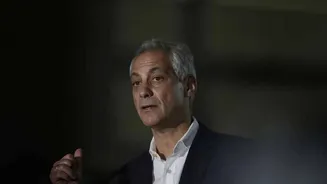






Rahm Emanuel, the former Chicago mayor widely seen as a likely 2028 presidential contender, says Iran has been outmaneuvering President Trump at the negotiating
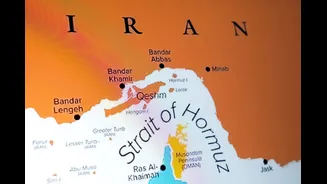
table, even as tensions over the Strait of Hormuz threaten to spiral back into open conflict. Emanuel shared his views in an interview with Politico, laying out both his read on the Hormuz standoff and his broader assessment of where things stand between the US and NATO. The timing was notable. The interview took place the same day Trump declared the ceasefire with Iran over, following Iranian attacks on ships passing through the strait and a subsequent round of US strikes in response. According to Emanuel, Trump's erratic behavior throughout the standoff comes down to one thing: Iran getting the better of him at the bargaining table. He said Trump is acting the way he is because Tehran is effectively teaching him a lesson in negotiation, turning the tables on a president who has long prided himself on deal making. "They’re teaching him and schooling him on the art of the negotiation," Emanuel said. Despite the collapsed ceasefire and continued fighting, Trump said Friday that talks with Iran are still ongoing.
Why Hormuz Matters So Much
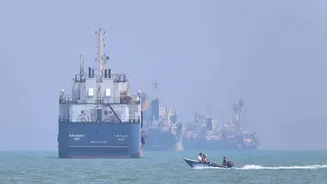
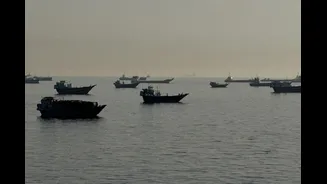
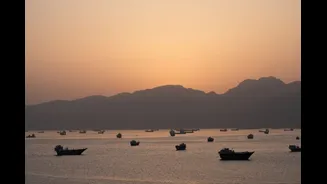
Much of Emanuel's focus centered on keeping oil flowing smoothly through the strait, a waterway that carries roughly a fifth of the world's oil supply. That flow has become increasingly uncertain amid the latest violence. Oil prices had eased after the initial ceasefire was first announced, but they climbed back up this week as strikes resumed.
Emanuel's Fix: Spread the Fees, Not Just to Iran
Emanuel argued strongly against letting the strait function as Iran's own territory, saying it should never be treated as an Iranian waterway. Instead, he proposed a different approach: have the United Nations affiliated International Maritime Association collect fees from vessels passing through the strait, then distribute that revenue among all the nations affected by the conflict. He specifically named Kuwait, Bahrain, the UAE, Saudi Arabia, Iran, and Qatar as the countries that should share in those funds, describing it as a temporary system that could remain in place for several years until a permanent arrangement is worked out.He was direct about what this proposal is not. Emanuel, who previously served as chief of staff under President Barack Obama, made clear he isn't suggesting Iran alone should be allowed to charge and pocket fees for its own benefit.
A Longer Term Fix: Routes That Skip Hormuz Entirely
Looking further ahead, Emanuel said countries in the region need to start building alternative routes for oil that don't depend on passing through the Strait of Hormuz at all. Without that kind of backup option, he warned, Iran will keep using the threat of shutting down the strait as a bargaining chip whenever tensions rise again.He explained that building this kind of resilience is essential because even if the current standoff gets resolved, it won't be a permanent fix. According to Emanuel, if Iran shuts down the strait once and gets away with it, there's nothing stopping the country from doing the exact same thing again down the road.