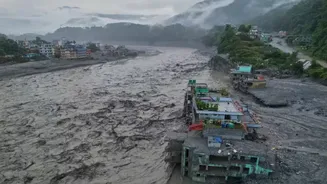






Nepal’s devastating flash floods have claimed at least 1,127 lives, with the death toll surging as rescuers race against time to trace thousands still
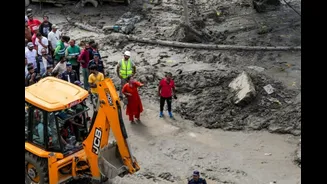
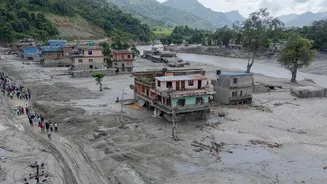
missing a week after the Himalayan disaster. According to Nepal Police, 4,858 people remain unaccounted for, while 6,541 have been rescued from the worst-hit areas. The scale of the devastation has become clearer with hundreds of bodies recovered across the country, including 348 in Chitwan, 217 in Nawalparasi East, 190 in Nawalparasi West and 155 in Nuwakot. Police said 1,113 bodies have undergone postmortem and legal identification, but only 95 have so far been handed over to their families. With 911 unidentified bodies listed on the Nepal Police website to help families search for missing relatives, the grim task of identifying victims continues alongside the desperate search for survivors. Authorities have deployed 7,912 police personnel to flood-hit areas for search and rescue operations, relief distribution and the management of recovered bodies. Police teams are also moving families from high-risk areas to safer locations, clearing roads blocked by debris and coordinating search, rescue and relief operations with local authorities and residents. Flash floods, triggered by a collapse or avalanche of ice and rock near the Nepal-Tibet border, devastated towns and villages in northern and central Nepal on August 26.
Water levels in three major rivers of Nepal cross danger mark
Meanwhile, Nepalese authorities have urged people living in the central, western, and eastern parts of the Himalayan Nation to remain alert after water levels in three major rivers have crossed their alert levels following rainfall in different parts of the country. According to the Department of Hydrology and Meteorology's Flood Forecasting Division, the Sun Koshi River in Sindhuli district, the Budhi Gandaki River in Gorkha and the Mahakali River in Dadeldhura were above alert levels as of 6 AM on September 2.
The division on Tuesday said that the Marsyangdi River in Lamjung district has crossed the danger mark at the Bhukundebesi water level monitoring centre at 11:15 PM.
The water level in the Marsyangdi River is still on the rise. With the increase in water flow in the river, the risk of flooding is high.
As the water level has crossed the danger limit, people residing in the downstream area are urged to remain alert, according to the National Disaster Risk Reduction and Management Authority (NDRRMA).
The division has asked people living in lower areas along these rivers to take special precautions as flood risk remains. Authorities have also urged residents near river banks to remain vigilant and identify safe locations in case water levels rise further.
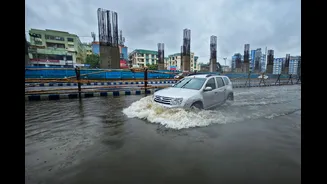
Nepal is receiving continuous rain these days as monsoon remains active in many parts of the country, including Kathmandu.
(With PTI inputs)