






Yosemite National Park has experienced heavy congestion at the start of its first summer without a timed reservation system, with visitors reporting long
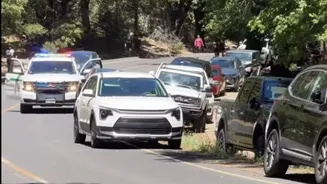
entry delays, overcrowding and limited parking across the park. The park has recorded nearly 100,000 more visitors so far this year compared with the same period last year, according to officials. Many visitors said the biggest problem was the time taken to enter the park. "People were waiting for at least hour and a half," visitor Andranik Arakelyan said. Others described severe parking shortages by early morning. "I would say by 7:30, the entire park, it was impossible to park there. There’s nowhere to park for anybody," visitor John Leerskov said. Visitors also reported long waits for shuttle buses and crowded conditions at popular viewpoints throughout Yosemite Valley. "It was a lot of shoulder to shoulder, a lot of chaos, a lot of angry people, a lot of oblivious people," Leerskov added. Videos circulating online appeared to show dozens of vehicles parked illegally, including on meadows and off paved roads. "People pulling onto meadows, pulling off pavement, going off-road. The lines to get even shuttles around the park, I mean, from the videos were just horrendous," conservationist and author Beth Pratt said. This is the first summer Yosemite has operated without a reservation requirement after park officials ended the system following what they described as a "comprehensive evaluation". Back in February, Yosemite Superintendent Ray McPadden said officials remained committed to "visitor access, safety, and resource protection". "While reservation systems are one valuable management tool, our data demonstrates that a season-wide reservation requirement is not the most effective approach for the coming season," he said at the time. Environmental groups, however, argue the previous system helped manage crowd levels more effectively. "Without any limits on the amount of vehicles, the amount of people, it becomes overwhelmed," said John Buckley, executive director of the Central Sierra Environmental Resource Center. Buckley said uncontrolled visitor numbers could damage the park’s environment while creating difficult conditions for tourists. "The best accessibility is when there’s managed park conditions so that the number of vehicles is balanced with the amount of parking and the capacity of the roads," he said. Some visitors who had previously opposed the reservation system said they had changed their views after experiencing this summer’s crowds. "There’s just not enough capacity, like infrastructure and the employees to handle all of this traffic," Arakelyan said. Beth Pratt warned that national parks should not be managed "like an amusement park". "These are the best protected places on the planet, and we cannot be managing them like an amusement park," she said. With peak summer tourism still ahead, Yosemite Conservancy has advised visitors to arrive early, travel during weekdays or use bus transport where possible. Officials are also providing live traffic updates for visitors entering the park.