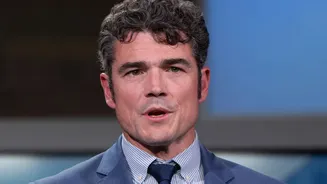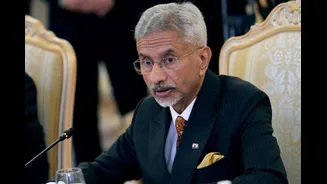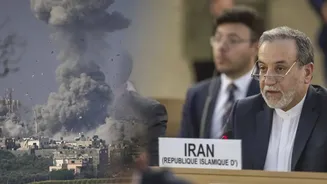






Iran has ruled out any immediate ceasefire in the ongoing conflict with the United States and its allies, with Foreign Minister Abbas Araghchi making it clear
that Tehran is preparing for a broader and potentially prolonged confrontation. In an interview with journalist Ali Hashem on Al Jazeera English, Araghchi dismissed the idea of a temporary halt in fighting, arguing that the conflict cannot be addressed in isolation or through limited arrangements. “We do not believe in a ceasefire; we believe in ending the war,” he said, adding that any resolution would need to apply across all active fronts simultaneously — from Lebanon and Yemen to Iraq and beyond. The statement marks a notable hardening of Iran’s public position at a time when the conflict, now driven in part by Operation Epic Fury, is expanding both geographically and operationally.
A War No Longer Confined To Iran
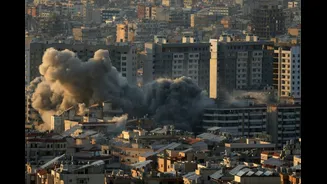
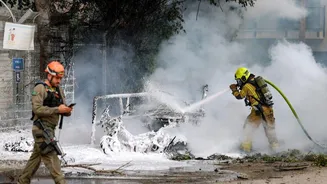
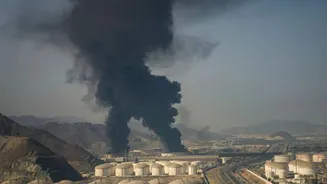
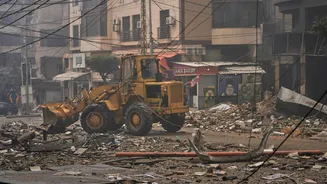
What began as targeted strikes has now evolved into a multi-theatre confrontation. Since late February, US-led operations under Operation Epic Fury have moved beyond Iranian territory, targeting a wide range of military assets — from missile systems and air defences to naval infrastructure and command nodes. The scale of the campaign, as outlined in briefings by United States Central Command, points to a sustained effort rather than a limited punitive action.
Iran, in turn, has widened its response. Missile and drone strikes linked to Tehran have reached multiple locations across the Gulf region, while maritime tensions continue to build around critical shipping lanes. The battlespace is no longer defined by a single front. It is layered, dispersed and increasingly difficult to contain.
Araghchi’s remarks reflect that shift. By framing the conflict as regional rather than national, Tehran is signalling that any settlement must address all theatres simultaneously.
‘America’s War’: Tehran’s Strategic Narrative
Describing the conflict as “America’s war,” Araghchi reinforced a narrative that has been consistent across Iranian leadership since the early phase of hostilities.
From Tehran’s perspective, the scale and coordination of strikes suggest an attempt to systematically degrade Iran’s military capability and strategic reach — not merely to deter or punish specific actions. That interpretation shapes Iran’s diplomatic posture.
If the war is viewed as externally driven and region-wide, then a ceasefire — especially a temporary one — is seen as insufficient. Instead, Iranian officials are pushing for what they describe as a comprehensive settlement, one that would redefine the security architecture across multiple theatres.
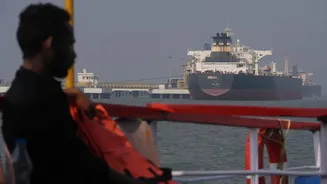
Araghchi also pointed to strategic chokepoints such as the Strait of Hormuz, underscoring their importance in any future framework. The narrow waterway, through which a significant portion of global oil flows, has already emerged as a focal point of tension during the conflict.
Military Pressure Builds On Both Sides
On the ground — and at sea — the tempo is increasing. US forces continue to deploy a mix of strategic bombers, surveillance aircraft and naval strike groups across the region. The aim, according to defence officials, is to sustain pressure on Iranian military infrastructure while maintaining control over key maritime routes.
Iran, however, shows no indication of stepping back. Araghchi stated that Tehran is prepared to “defend itself for as long as it takes,” a remark that aligns with broader assessments that the conflict is entering a more protracted phase. Rather than signalling fatigue, Iranian messaging suggests readiness for endurance.
The nature of the conflict is also evolving. Air strikes are now accompanied by drone warfare, maritime disruption, cyber activity and information campaigns — a combination that complicates both escalation control and diplomatic engagement.
Limited Space For Diplomacy — For Now
While Araghchi did not close the door on diplomacy, his conditions leave little room for interim arrangements. Any negotiation, he suggested, would need to address the conflict in its entirety rather than focus on isolated ceasefires. He also hinted that external actors, including China, could play a role in future talks, though no structured process has yet emerged. For now, however, the direction of travel appears clear.
With both sides maintaining high operational tempo and expanding their strategic objectives, the conflict is moving away from short-term de-escalation and towards a longer, more complex confrontation. Araghchi’s message captures that shift in simple terms: the focus, from Tehran’s perspective, is not on pausing the war — but on reshaping how and where it ends.