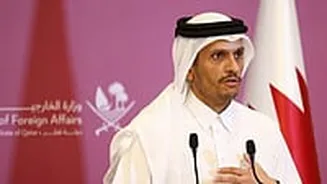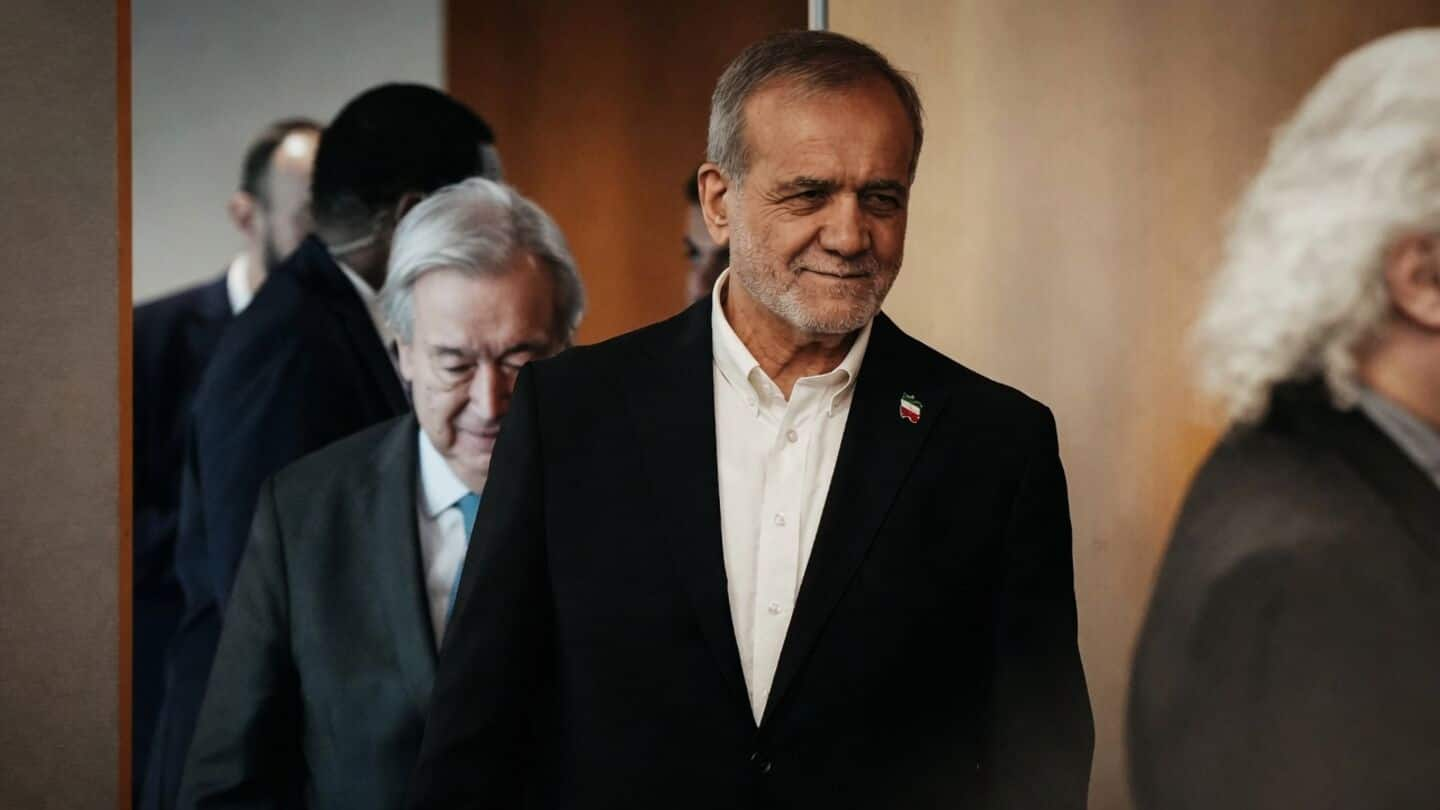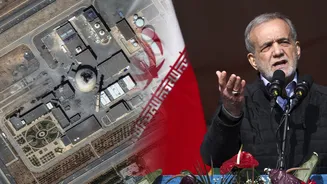







Iranian President Masoud Pezeshkian has signalled that Tehran is prepared to reopen a channel for nuclear inspections and negotiations with the United
States, but made clear that any diplomatic reset would depend on Washington accepting an Iranian proposal concerning the Strait of Hormuz. Speaking to CBS News’ Face the Nation on Friday, Pezeshkian said Iran would allow United Nations nuclear inspectors into the country if arrangements could be agreed during negotiations. His comments come as Tehran seeks to restart talks over its nuclear programme following the collapse of a 60-day ceasefire with Washington in July. Asked directly whether Iran would permit inspectors from the International Atomic Energy Agency to return, Pezeshkian replied, “That is absolutely correct.” He subsequently qualified the offer, saying Iran and the inspectors could “reach accords and agreements” on the issue within negotiations. That leaves the precise scope and conditions of any renewed inspections to be determined.
Pezeshkian demands a basis for trust
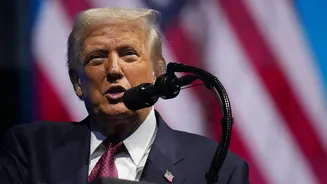
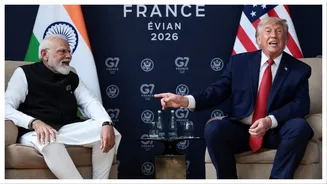
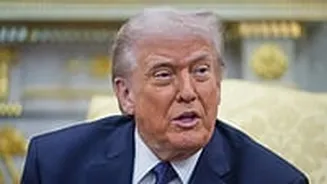
Pezeshkian said he would find it difficult to meet US President Donald Trump face-to-face while what he described as an “atmosphere of distrust” persists between the two countries. He pointed to US sanctions, threats and military strikes against Iran, arguing that previous commitments had not been honoured. The Iranian president questioned whether Washington would follow through on any agreement reached in future negotiations.
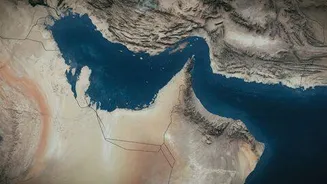
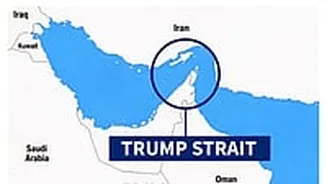
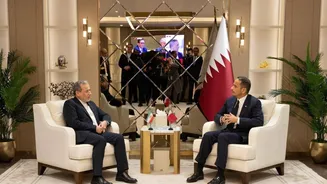
That distrust is now tied directly to Iran’s proposal for the Strait of Hormuz. Iranian Foreign Minister Abbas Araghchi proposed reopening the strategically important waterway after seven days and restarting negotiations with the US as an initial step towards a broader nuclear agreement. Washington has yet to accept the proposal.
Pezeshkian said Iran would abide by the terms of an agreement if the US accepted Tehran’s framework. The dispute over Hormuz remains particularly sensitive because Washington has opposed Iran imposing control over waterways entering the strait, including routes passing through Omani territory. Iran, meanwhile, has demanded that ships obtain permission and follow an Iranian-approved route.
The earlier 60-day ceasefire was intended to create space for negotiations over Iran’s nuclear programme. It collapsed in July after Iran targeted commercial shipping and the US responded with strikes on Iranian targets, according to Pezeshkian’s account.
Iran maintains nuclear denial
The nuclear question remains the central obstacle to any lasting agreement. Iran has enriched uranium to high levels in recent years while continuing to deny that it intends to build a nuclear weapon. Pezeshkian repeated that position in his CBS interview, saying the development of nuclear weapons is “haram”, or forbidden under Islam.
That position contrasts with Trump’s stated demand that Iran stop uranium enrichment altogether. The earlier US-Iran nuclear agreement negotiated during the Obama administration permitted limited Iranian enrichment while imposing restrictions on the scale of the programme and providing for international inspections.
Pezeshkian’s latest comments therefore point towards a possible return to negotiations, but not necessarily a return to the previous framework.
For now, Tehran is offering two potentially significant concessions — renewed nuclear inspections and a pathway to reopen Hormuz — while demanding that Washington provide a basis for rebuilding trust.
Whether that becomes the starting point for negotiations depends on the US response.