



What is the story about?
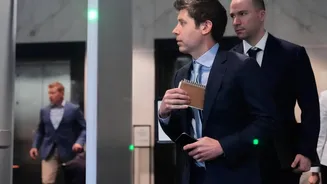
OAKLAND, Calif. (AP) — Lawyers representing Elon Musk and OpenAI commenced their closing arguments on Thursday in a pivotal trial that may influence the trajectory
of artificial intelligence. Musk, who co-founded OpenAI, claims that CEO Sam Altman and his deputy shifted the organization toward profit-making without his consent, following his initial $38 million investment in 2015.
Implications of the Trial
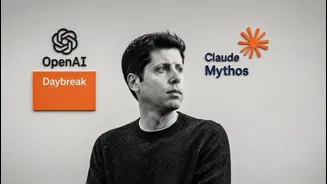
The outcome of this trial could significantly affect the balance of power within the AI sector, a field that has raised concerns about its potential risks to humanity. Altman's leadership faces scrutiny amid intense competition from Musk's AI venture and Anthropic, which comprises former OpenAI executives.As all three companies approach anticipated initial public offerings (IPOs), Musk's lawsuit seeks both financial damages and Altman's removal from OpenAI's board. A favorable ruling for Musk could jeopardize OpenAI's IPO plans.
Jurors' Responsibilities
The jury must determine whether Musk's lawsuit was filed within the appropriate timeframe. Much of the testimony has focused on OpenAI's formative years post-2015, with Musk alleging breach of charitable trust and unjust enrichment.OpenAI contends that Musk's claims extend beyond the statute of limitations, arguing that he cannot claim damages prior to August 2021.
The presiding judge indicated in a court filing that if the jury concludes Musk did not file his action timely, she is likely to direct a verdict in favor of the defendants.
Should the jury rule that Musk's lawsuit was timely, they will then consider whether OpenAI constituted a 'charitable trust' and if its executives violated that trust. Additionally, they will assess if Altman and other executives unjustly profited at Musk's expense, with Microsoft also facing scrutiny as a co-defendant.
Focus on Altman's Credibility
Musk's attorney, Steven Molo, emphasized Altman's credibility during his closing arguments, highlighting testimonies from five witnesses who labeled Altman a 'liar.'“I confronted Sam Altman with the fact that five witnesses in this trial, all people that he’s known for years and worked with, called him a liar under oath. Liar’s a very powerful word in a courtroom,” Molo stated.
The witnesses included Musk, co-founder Ilya Sutskever, former chief technology officer Mira Murati, and two ex-board members.
Molo stressed that Altman's credibility is crucial, asserting that if jurors do not trust him, the defendants cannot prevail. Furthermore, Musk's team argued that, despite the absence of a formal contract, communications between Musk, Altman, and Brockman should be considered as evidence of a charitable trust.
“The evidence proves Elon donated those funds for a specific charitable purpose,” Molo added, asserting that this purpose involved creating a nonprofit aimed at developing safe AI that would be open-source when feasible.
Financial Aspects of the Lawsuit
During a brief exchange outside the jury's presence, Judge Yvonne Gonzalez Rogers criticized Musk's attorney for suggesting that Musk did not seek financial compensation through the lawsuit.Although Musk abandoned a personal damages claim prior to the trial, he continues to pursue an unspecified amount intended to support OpenAI's charitable initiatives.
According to the judge, Musk is seeking 'billions of dollars of disgorgement,' prompting her to instruct Molo to either retract his statement or withdraw the claim for such a large sum. They subsequently agreed that the judge would clarify this point to the jury.