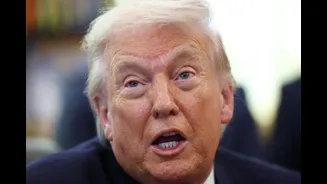

The European Parliament has decided to suspend work on the European Union’s trade deal with the United States, citing US President Donald Trump’s renewed
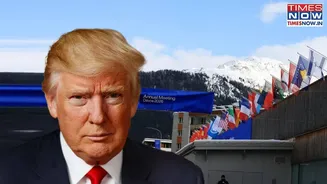
push to acquire Greenland and his threats to impose tariffs on European allies who oppose the plan, following comments made at the World Economic Forum in Davos. According to a report in Reuters, MEPs had been debating legislative proposals to remove a range of EU import duties on US goods. a central element of the agreement struck in Turnberry, Scotland, at the end of July, as well as to extend zero-duty arrangements first agreed with Trump in 2020. The measures require approval from both the European Parliament and EU member states. Also Read - 'All I'm Asking Is A Piece Of Ice': At Davos, Trump Threatens Greenland, Slams NATO Many lawmakers have criticised the deal as unbalanced, arguing that it would see the EU cut most import duties while the United States maintains a broad tariff rate of 15%. Despite those concerns, parliamentarians had previously signalled a willingness to proceed, subject to conditions including an 18-month sunset clause and safeguards to address potential surges in US imports. The European Parliament’s trade committee had been due to set out its position in votes scheduled for 26–27 January, but these have now been postponed. Davos 2026 Live updates Committee chair Bernd Lange told a news conference on Wednesday that Trump’s latest tariff threats had “broken the Turnberry deal”, adding that the agreement would be “put on hold until further notice”. Freezing the deal risks further inflaming tensions with Washington and could provoke higher US tariffs. The Trump administration has already ruled out any concessions, such as lowering tariffs on spirits or steel, until the agreement is approved. The move comes against a backdrop of strained transatlantic relations, with the EU and the United States having agreed a limited trade deal last year aimed at easing tariffs and improving market access. While EU lawmakers had voiced concerns that the agreement favoured Washington, negotiations had continued until Trump revived his push to acquire Greenland and threatened tariffs on European allies, prompting renewed political backlash in Brussels. Trump's all-out push for Greenland from the stage of World Economic Forum in Davos seems to have acted as a catalyst and now the EU seems to be looking to up the ante.