



What is the story about?
DETROIT (AP) — As gas prices rise, consumers face increased costs at the pump. However, adjusting driving habits can help extend fuel efficiency, offering
some relief during these challenging times. Michael Crossen, Consumer Reports’ manager of auto testing, emphasized the difficulty of navigating daily life with soaring gas prices, stating, “You gotta put gas in to go about your day and get to work and pick the kids up from school.”
Drive Slower or Use Cruise Control
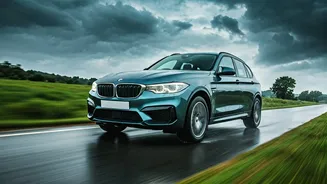
Experts suggest that driving at optimal speeds can significantly improve fuel efficiency. Sean Tucker, managing editor for Kelley Blue Book, explained that vehicles achieve maximum efficiency at highway speeds around 65 mph (105 kph).“Stick to 65 (mph, 105 kph) on the highway,” Tucker advised. “Today’s cars are geared to be most efficient at that speed, and you lose quite a bit of fuel efficiency the faster you go.”
Research indicates that reducing speed can enhance gas mileage by as much as 14%. Tucker also recommended utilizing cruise control to maintain a consistent speed, which minimizes gas pedal pressure and prevents erratic acceleration and braking.
Additionally, coasting toward stoplights can further improve fuel economy, whether the light is red or green.
Limit Idling
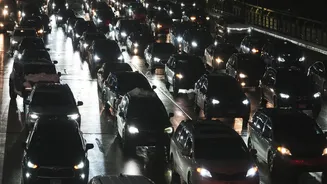
Experts recommend utilizing a vehicle's automatic start-stop ignition system, which turns off the engine at stoplights or during extended idling, restarting it when the accelerator is pressed.David Bennett, AAA senior automotive manager, stated, “If you’re stuck in traffic and you see it bumper to bumper for a while and you have start-stop, don’t turn that off. Allow the engine to turn on and off as it’s needed.”
This is particularly useful when air conditioning is not necessary during prolonged stops.
Reduce Your Car's Drag and Drop Extra Weight
Many vehicles are equipped with roof racks or bike racks that can decrease fuel efficiency by increasing drag. Experts note that removing these accessories when not in use can prevent unnecessary fuel consumption.“If you’re not actually using those devices, it’s like dragging a parachute behind your car,” Crossen remarked. “Any other type of accessories that basically cause drag, you want to lose those.”
Additionally, drivers should avoid carrying unnecessary heavy items in their vehicles.
Check Your Tire Pressure and Maintenance
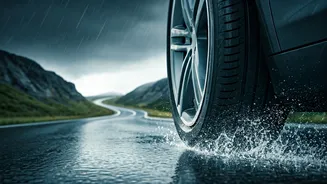
Maintaining proper tire pressure is crucial for fuel efficiency. Experts suggest checking tire pressure at every other fill-up.Bennett noted, “Lower-inflated tires will increase the resistance on the road, so properly inflated, the vehicle is going to drive a little bit smoother and be able to accelerate properly.”
Improperly inflated tires can decrease gas mileage by as much as 10%. Regular maintenance, such as replacing air filters or oxygen sensors, can also enhance fuel economy.
Consider Carpooling and Combining Trips
Carpooling is an effective way to share costs among participants, reducing individual expenses.Drivers should also plan trips strategically to minimize unnecessary travel. Crossen advised, “Don’t make unnecessary stops. Don’t drive all the way across town just to save a dollar on eggs. Plan your trips. Don’t drive if you don’t have to.”
Evaluate Fuel Choices
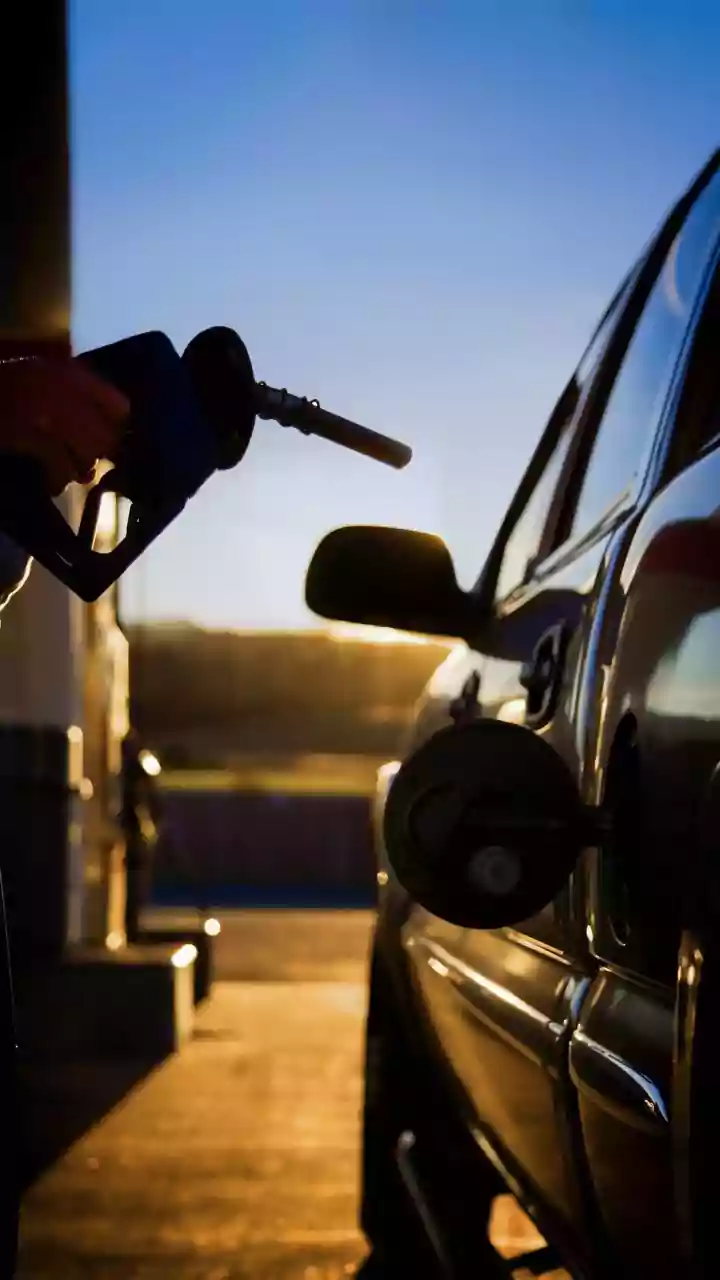
Some vehicles require premium gasoline, but drivers should ensure they are not purchasing it unnecessarily. Regular gasoline may suffice for many vehicles.Consumers should also consider the quality of their fuel. Top Tier gas, which contains additives to reduce carbon buildup, is beneficial for long-term vehicle health.
Apps like GasBuddy can help drivers compare gas prices in their area. Experts recommend refueling when the tank is about half full to take advantage of fluctuating prices.
Consider Upgrading to a Hybrid Vehicle
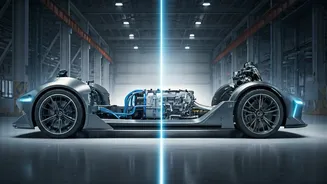
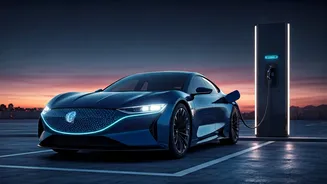
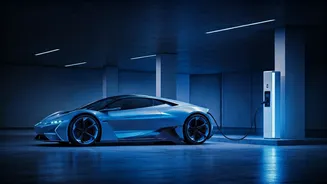
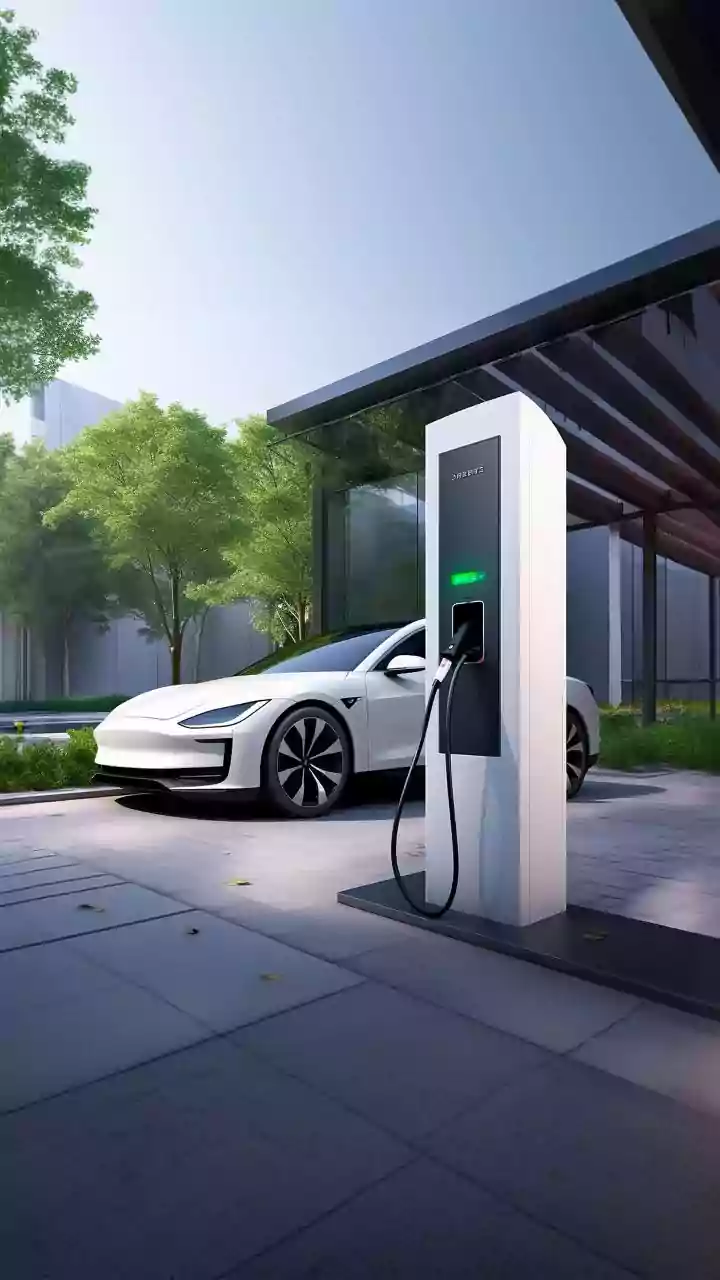
The average age of vehicles on the road is approximately 12 years, with newer models generally offering better fuel efficiency. While not everyone can afford a new vehicle, considering a hybrid can be a beneficial option for those in the market for a new car.For those looking to eliminate gas consumption altogether, electric vehicles (EVs) are increasingly available, including many used options.