







One month into the war triggered by United States and Israeli strikes on Iran, the war has left thousands dead and tens of thousands injured across Iran, Israel and several
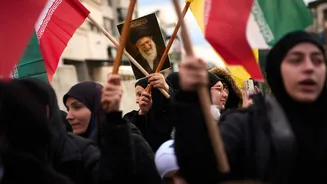
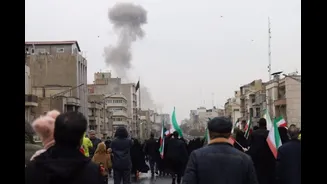
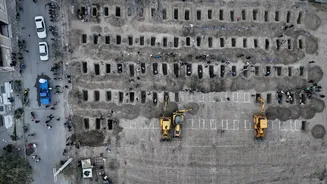
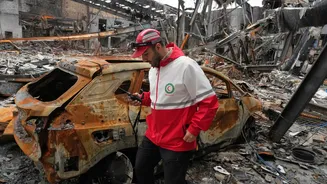
Middle Eastern countries, according to official figures that continue to evolve. Starting February 28, the US and Israel launched a joint attack on Iran, which killed Supreme Leader Ayatollah Ali Khamenei. The joint strikes came after days of build-up with US President Donald Trump ramping up the pressure on Tehran to agree to a new deal on its nuclear programme. Iran's retaliation escalated the war to the entire Gulf region. Iran Hit Hardest Iran has borne the highest toll, with at least 1,937 people killed and more than 24,800 injured since February 28, according to its Health Ministry. The victims range in age from eight months to 88 years old, and include 240 women and 212 children. Authorities said thousands of women and children are also among the injured. One of the deadliest incidents took place when a missile struck a girls’ school in Minab, in southern Iran’s Hormozgan province, during the US-Israel attacks. At least 148 people were killed in the strike, many of them children. Minab is located near a base of Iran’s Revolutionary Guards. In Israel, at least 19 people have been killed and more than 5,492 wounded in retaliatory strikes launched by Iran. Israeli officials said many of the injuries occurred during missile attacks, including a major strike on the southern city of Dimona and nearby areas.
The United States has reported 13 military fatalities from Iranian attacks across the region, along with around 200 injured personnel. Separately, one service member died in a health-related incident in Kuwait, while six crew members were killed in a refuelling aircraft crash in western Iraq earlier this month.
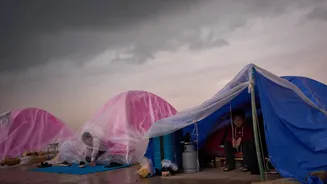
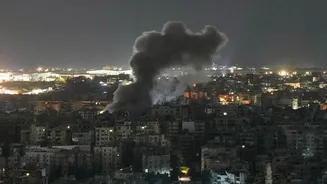
Lebanon has also suffered heavy casualties amid the escalating hostilities, with 1,116 people killed and at least 3,229 wounded, according to its Health Ministry. The toll includes at least 121 children, while more than one million people have been displaced since the conflict intensified.
The World Health Organization said on Saturday (March 28) that nine paramedics were killed and seven others wounded in five separate attacks on health care in southern Lebanon. The latest incidents struck medical teams in five separate villages, WHO Director-General Tedros Adhanom Ghebreyesus said in a social media post.
3 Journalists Killed
An Israeli airstrike on southern Lebanon on Saturday killed three journalists who were covering the latest Israel-Hezbollah war, their TV stations said. Hezbollah's al-Manar TV said that its longtime correspondent Ali Shoeib was killed Saturday in southern Lebanon. The Israeli military said that it had targeted Shoeib, accusing him of being a Hezbollah intelligence operative without providing evidence.
Meanwhile, Beirut-based pan-Arab Al-Mayadeen TV said reporter Fatima Ftouni was killed in the same airstrike in the southern district of Jezzine along with her brother Mohammed, a video journalist. She had just been on air with a live report from southern Lebanon before the strike.
Saturday's strike came days after an Israeli airstrike on an apartment in central Beirut killed Mohammed Sherri, the head of political programs at Al-Manar TV, along with his wife. The latest deaths bring the number of journalists and media workers killed this year in Lebanon to five, reports AP.
96 Killed in Iraq
In Iraq, at least 96 people have been killed and dozens more injured, according to health authorities. Many of the dead were reported to be members of paramilitary groups. Jordan has reported 28 injuries but no deaths so far.
Among Gulf countries, the United Arab Emirates has recorded 11 deaths and 169 injuries, involving both nationals and foreign workers. Two UAE servicemen were killed on Monday after their helicopter crashed because of a “technical malfunction,” the Defence Ministry said.
Saudi Arabia has reported two deaths and 20 injuries after a projectile struck a residential area.
Kuwait has reported six deaths and multiple injuries, including casualties linked to falling debris and incidents during military activity. On Sunday, Kuwait’s Fire Force said two of its officers have been killed “while performing duties”. The statement published on X did not provide details on the circumstances of their deaths.
In Bahrain, three people have been killed and dozens injured in missile-related incidents and strikes in residential areas.
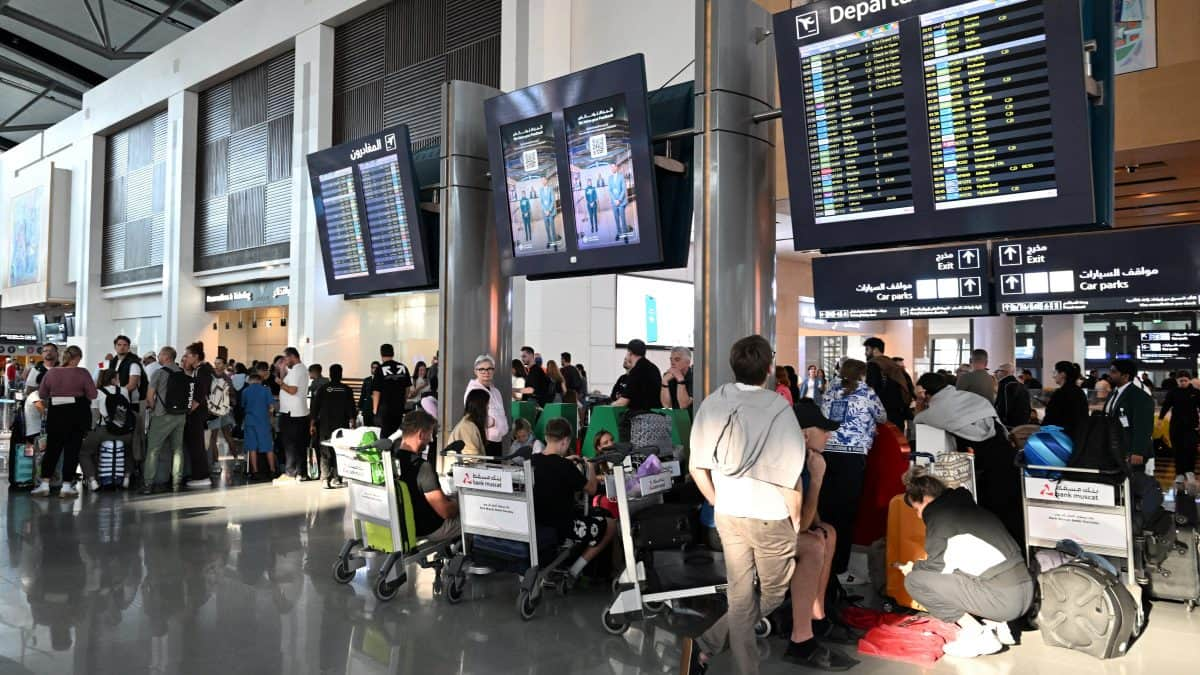
Oman has confirmed three deaths and 15 injuries linked to drone and maritime-related attacks, while Qatar reported 16 injuries, mostly caused by falling debris, with no deaths, according to Qatari Ministry of Interior.