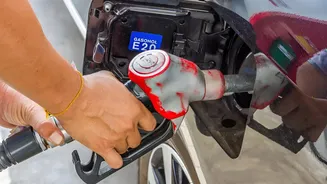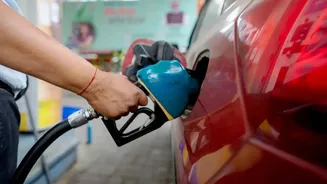








The Centre on Wednesday told the Rajya Sabha that extensive studies have found no significant impact of E20 (20% ethanol-blended) fuel on the performance
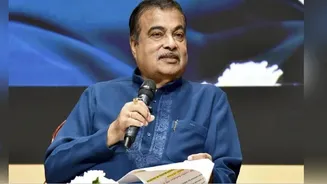
of vehicles, including older or legacy models, dismissing concerns over engine damage and reduced reliability. In a written reply in the Rajya Sabha, Union Minister for Road Transport and Highways Nitin Gadkari said studies conducted by Indian Oil Corporation Ltd. (IOCL), the Indian Institute of Petroleum (IIP), the Society of Indian Automobile Manufacturers (SIAM) and the Automotive Research Association of India (ARAI) concluded that vehicles operating on E20 fuel did not exhibit any significant variation in performance or abnormal wear-and-tear. According to the government, the studies found no issues related to drivability, startability, metal compatibility or plastic compatibility. The exhaust emissions of BS-VI vehicles also continued to comply with the applicable emission norms when tested with E20 fuel. The minister said the research did not indicate any need to modify engines of cars or two-wheelers to run on E20 fuel. However, testing showed that some BS-III vehicles introduced from April 1, 2005, and manufactured before 2016 may require replacement of certain rubber parts and gaskets. The government said these replacements can be carried out during routine vehicle servicing. Addressing concerns over fuel efficiency, Gadkari said mileage depends on several factors beyond fuel composition, including driving habits, tyre pressure and alignment, maintenance practices such as timely oil changes and air filter cleaning, as well as the use of air conditioning. Automobile manufacturers and vehicle testing agencies have maintained that these variables play a significant role in determining fuel economy. The government also highlighted that the Ethanol Blended Petrol (EBP) Programme was introduced through a phased and scientifically validated process in consultation with stakeholders. An Inter-Ministerial Committee constituted by NITI Aayog in December 2020 examined vehicle compatibility, fuel efficiency, material compatibility, engine calibration, durability, emissions and drivability before releasing its "Roadmap for Ethanol Blending in India 2020-25" in June 2021. The Centre noted that ethanol-blended fuel has been in use globally for decades, with countries such as Brazil operating on even higher ethanol blends. In India, the EBP Programme began as a pilot project in 2001, followed by the introduction of E5 fuel in 2006. Ethanol blending has since been increased progressively after creating the necessary production capacity, infrastructure and regulatory framework, the government said.