


Despite a prolonged freeze on retail fuel prices, India’s state-run oil marketing companies are grappling with mounting financial strain as global crude
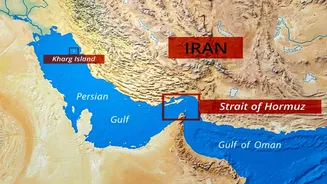
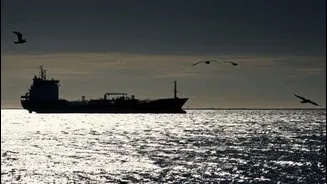
volatility continues to push up input costs. State-owned fuel retailers, Indian Oil Corporation, Bharat Petroleum Corporation Ltd, and Hindustan Petroleum Corporation, have kept petrol and diesel prices unchanged since April 2022, even as global crude markets have swung sharply. This pricing rigidity has significantly widened their losses, now estimated at Rs 18 per litre on petrol and Rs 35 per litre on diesel, according to a report from the news agency PTI citing sources. Although fuel prices were deregulated years ago, these companies have refrained from revising retail rates, absorbing the impact of fluctuating crude prices. Oil markets have been turbulent, from breaching $100 per barrel after the Russia-Ukraine war to softening near $70 earlier this year, and then climbing again to around $120 following geopolitical tensions triggered by the US-Israel attacks on Iran. Daily Losses And Government Relief Measures At the peak of the recent surge in crude prices, the combined daily losses of these firms reportedly ballooned to nearly Rs 2,400 crore. This has since moderated to about Rs 1,600 crore per day after the government reduced excise duty by Rs 10 per litre on both petrol and diesel. However, instead of lowering pump prices, the benefit was retained by the companies to cushion their losses, added the report. The financial strain has already erased profits made in the earlier months of the year, with expectations that the January–March quarter will end in the red for these firms, it states. A report by Macquarie Group highlighted the severity of the situation, stating, "At spot petrol-diesel pricing of USD 135-165 per barrel, we estimate India's oil marketing companies lose Rs 18 and Rs 35 per litre on petrol and diesel sales (respectively)." It also noted that every $10 per barrel increase in crude prices adds roughly Rs 6 per litre to marketing losses. Price Hike Risks And Economic Implications The brokerage has flagged the possibility of fuel price revisions after elections in states like West Bengal and Tamil Nadu. "We see risk of higher pump prices post state elections in April," the report said. India remains heavily dependent on imports, sourcing nearly 88 per cent of its crude oil needs in 2025. A significant portion comes from the Middle East (45 per cent), followed by Russia (35 per cent) and the United States (6 per cent). This dependence makes the country particularly vulnerable to global price swings. Even though India exports refined petroleum products such as petrol, diesel, and aviation turbine fuel, rising crude prices pose risks to both fiscal health and external balances. A complete removal of excise duty would still not fully offset the current losses faced by oil companies. Further tax cuts could strain government finances. Based on projected consumption of 170 billion litres in FY26, eliminating excise duty entirely could lead to an annual revenue loss of around $36 billion, potentially widening the fiscal deficit significantly. Uncertain Outlook For Oil Marketing Companies The contribution of fuel excise duties to government revenue has steadily declined, reducing its role in fiscal support. Meanwhile, rising crude prices are expected to widen the current account deficit, which could reach approximately $20 billion in early 2026, as per the report. Earnings visibility for oil marketing companies remains clouded. According to estimates, every $1 per barrel movement in crude prices impacts EBITDA by about 5 per cent. The sector’s break-even level is pegged at $80–85 per barrel, making current price levels particularly challenging. Given these headwinds, Macquarie Group has indicated a preference for utilities over oil marketing companies in the near term, citing ongoing uncertainty and pressure on margins.