





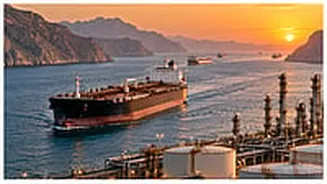
Crude oil prices and the entire energy market have been in focus since the US-Iran war. In latest developments, Iran's oil minister has resigned amid continued
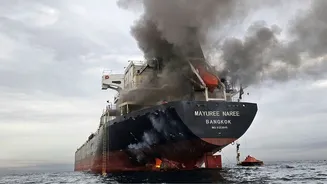
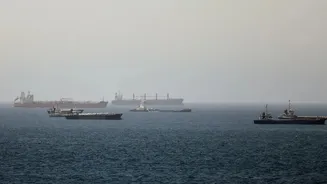
uncertainty over shipping via the Strait of Hormuz. While reportedly tanker attacks have increased, Middle East crude oil exports have recovered to above pre-war levels. Crude exports from the region exceeded pre-war levels on September 24 and between September 27-29, rising to between 19.5 million barrels per day and 22.5 million barrels per day as per provisional data from ship-tracking firm Kpler. As per reports, exports averaged 18 million barrels per day between March 2025 and February this year before the US, Israel war began with Iran. Saudi Arabia cut the price of its flagship Arab Light crude for Asian buyers to its widest discount in more than six years. Saudi Aramco set the November official selling price for Arab Light in Asia at 5 dollars per barrel below the average of Oman and Dubai prices. That is 3 dollars lower than the October price and marks the widest discount since June 2020, as per Reuters data. Analysts believe this move has been unexpected, in fact a Reuters survey has reflected that analysts had expected an increase of up to 5 dollars per barrel for November, in line with higher Middle Eastern crude benchmarks. Global oil expert and CEO-Australia, Trading.com & Chief Strategist Asia-Pacific XM.com, Peter McGuire told Times Now Digital, "energy markets rejoice as tanker traffic and barrels continue to rise to pre-war levels in February as demand in the Asia-Pacific region is expected to remain high for the fourth quarter. Prices have eased as Brent Crude oil trades at 101 dollars per barrel and WTI Crude is now at 90 dollars per barrel. Traders remain bearish yet cautious of geopolitical uncertainty in the Hormuz region at the moment."