





What is the story about?
BUNIA, Congo (AP) — The World Health Organization (WHO) announced on Wednesday that a rare Ebola outbreak in Congo and Uganda poses a low risk globally.
However, local responders expressed concerns about inadequate protection and training in dealing with a rapidly spreading virus that lacks approved treatment options. The WHO's assessment follows reports from its team leader in Congo, who indicated that the outbreak has resulted in over 130 suspected deaths and may persist for at least another two months.
WHO's Emergency Declaration
The WHO has classified the Ebola outbreak as a public health emergency of international concern, emphasizing the need for a coordinated response. Officials have raised alarms regarding the outbreak's scale and speed.Local Impact and Community Response
In eastern Congo, where armed groups pose ongoing threats, residents have reported escalating prices for essential items like face masks and disinfectants. As the outbreak unfolds, the community's access to these items has become increasingly limited.The Bundibugyo virus, a rare strain of Ebola, reportedly spread unnoticed for several weeks after the first known death, as authorities initially tested for a more common strain, which was ruled out.
Current Case Numbers and Projections
As of Wednesday, there are 51 confirmed cases in Congo's northern provinces of Ituri and North Kivu, alongside two cases in Uganda. WHO Director-General Tedros Adhanom Ghebreyesus noted that there are 139 suspected deaths and nearly 600 suspected cases, predicting an increase in these numbers.Challenges in Healthcare Facilities
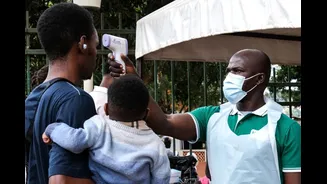
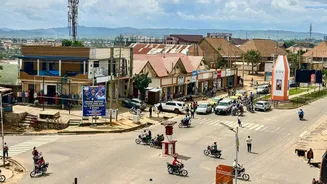
In Bunia, where the first death occurred, public spaces such as schools and churches remain operational, although residents are beginning to wear masks. The availability of masks has diminished, and prices for disinfectants have surged significantly.Justin Ndasi, a local resident, lamented the situation, stating, “It’s truly sad and painful because we’ve already been through a security crisis, and now Ebola is here too.”
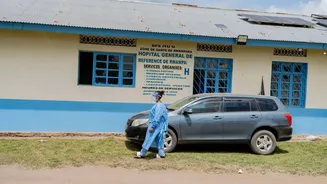
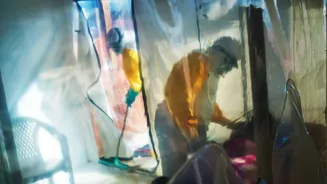
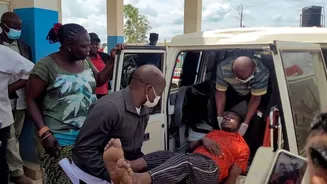
Trish Newport, an emergency program manager at Doctors Without Borders, highlighted that their team discovered suspected cases over the weekend at a local hospital that lacks an isolation ward, stating that every facility they contacted reported being overwhelmed with suspect cases.
Community Preparedness and Healthcare Needs
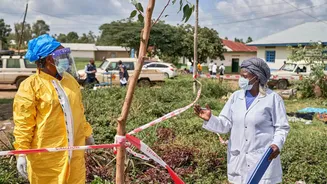
In Mongbwalu, the outbreak's epicenter, local activities continue, including gold mining, while public health measures are inadequately supported. Chérubin Kuku Ndilawa, a civil society leader, remarked that the lack of public handwashing stations hampers efforts to control the outbreak.Dr. Richard Lokudu, medical director of Mongbwalu General Hospital, expressed urgent needs for triage and isolation facilities, warning that the hospital's staff is untrained for handling suspected cases and lacks protective equipment.
International Response and Vaccine Developments
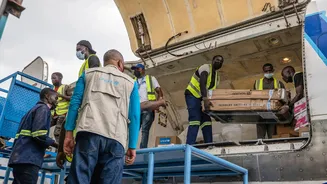
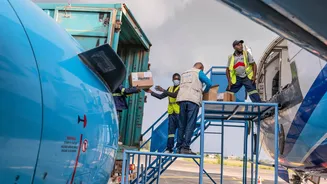
Congo anticipates receiving shipments of an experimental vaccine from the United States and Britain, developed by researchers at Oxford. Jean-Jacques Muyembe, a virus expert, stated, “We will administer the vaccine and see who develops the disease.”Meanwhile, a U.S. national who tested positive for Ebola in Congo has been transported to Berlin for treatment in a specialized isolation unit. The German Health Ministry confirmed a comprehensive examination is underway, but did not disclose the patient's condition.
Broader Implications of the Outbreak
Health experts caution that the delayed identification of the virus and significant population movements in the affected regions complicate the response efforts. The first confirmed death occurred on April 24, but the confirmation of the outbreak came weeks later, exacerbating the situation.Dr. Anne Ancia, head of the WHO team in Congo, noted that authorities have yet to identify the initial infection source. She emphasized the long road ahead, citing funding cuts that have negatively impacted humanitarian responses.
U.S. Secretary of State Marco Rubio stated that the U.S. administration plans to enhance its Ebola response efforts, focusing on funding emergency clinics in affected areas, with an initial contribution of $13 million.