






What is the story about?
DUBAI, United Arab Emirates (AP) — Iran escalated its military operations on Tuesday, targeting Israel and Gulf Arab nations as tensions in the Middle
East continue to rise following the conflict initiated by Israel and the United States. The situation has disrupted global markets and shows no signs of de-escalation. In Bahrain, an Iranian strike on a residential building in the capital, Manama, resulted in the death of a 29-year-old woman and injuries to eight others. Meanwhile, Saudi Arabia intercepted two drones over its oil-rich eastern region, and Kuwait's National Guard reported the downing of six drones.
Impact of Attacks in the UAE
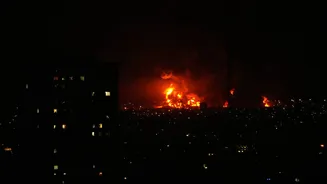
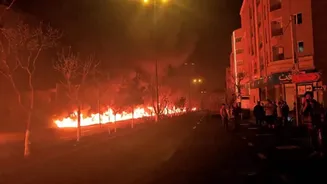
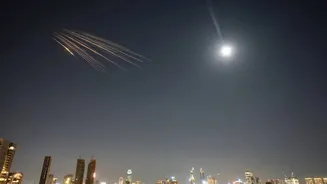
In the United Arab Emirates, firefighters responded to a fire in Ruwais, an industrial city housing petrochemical facilities, following an Iranian drone strike, although no injuries were reported. Sirens were activated in Jerusalem, with explosions audible in Tel Aviv as Israel's defense systems attempted to counter incoming threats from Iran.US Defense Response
At the Pentagon, U.S. Defense Secretary Pete Hegseth warned that Tuesday would see the most significant military response against Iran yet, stating, “The most fighters, the most bombers, the most strikes, intelligence more refined and better than ever.” He also noted that Iran had fired fewer missiles recently compared to previous days.General Dan Caine, chairman of the Joint Chiefs of Staff, confirmed that U.S. forces had targeted over 5,000 sites, focusing on dismantling Iranian missile and drone capabilities, neutralizing Iranian naval forces, and impacting Iran's military infrastructure.
Iran's Stance
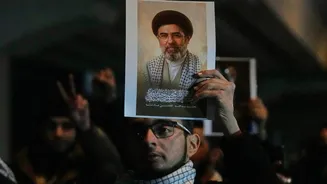
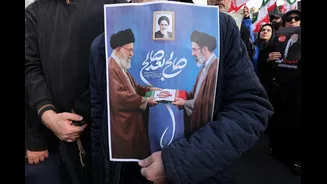
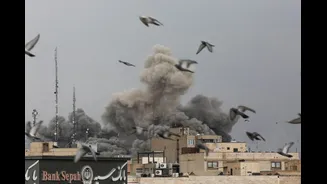
In response, Iran's parliament speaker, Mohammad Bagher Qalibaf, declared on social media that Iran was “definitely not looking for a ceasefire,” asserting that the aggressor must face consequences to deter future attacks. Another Iranian official, Ali Larijani, directed a warning towards U.S. President Donald Trump, stating that Iran would not be intimidated by threats.Reports from Tehran indicated multiple explosions as Israel launched a fresh wave of airstrikes against Iranian targets.
Strategic Aims of Iranian Attacks
Iran's missile and drone assaults on Israel and American installations are part of a broader strategy to target energy infrastructure and disrupt maritime traffic in the Strait of Hormuz, a crucial passage for global oil trade. These actions appear intended to create economic strain on the U.S. and Israel, compelling them to cease their military operations.Following these developments, Brent crude oil prices surged to nearly $120 before stabilizing around $90, marking a significant increase since the conflict's onset.
Continued Military Operations
Despite rising oil prices and international concern, Israeli Prime Minister Benjamin Netanyahu reaffirmed the country's commitment to continue strikes against Iran, emphasizing the need for the Iranian populace to reject tyranny.Strait of Hormuz and Oil Supply Challenges
Iran's actions have effectively restricted tanker movements in the Strait of Hormuz, resulting in increased tensions in maritime operations. Reports indicate that a bulk carrier was attacked near the UAE coast, further complicating the situation.Trump warned that any interruption of oil flow would result in a severe response from the U.S., while Iran's Revolutionary Guard vowed to prevent oil exports from the region until further notice. Saudi Aramco's president noted that tankers are being redirected to bypass the strait, which could lead to higher global oil prices and economic ramifications.
Asylum for Iranian Athletes
Amid the ongoing conflict, five members of the Iranian women's soccer team, who were in Australia for a tournament, received asylum from the Australian government, as fears grew about their safety upon returning home.Regional Military Engagements
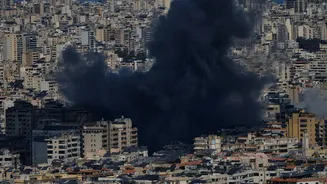
The conflict has also seen Israel conduct airstrikes against Hezbollah in Lebanon, prompting retaliatory missile fire from the group. In Iraq, Iranian-backed militias have targeted U.S. bases, with recent airstrikes resulting in casualties among militia members.Since the conflict began, casualty figures indicate at least 1,230 fatalities in Iran, 397 in Lebanon, and 11 in Israel, alongside seven U.S. service members killed.