




What is the story about?
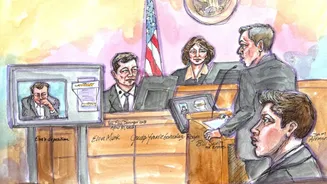
OAKLAND, Calif. (AP) — The ongoing trial between Elon Musk and OpenAI CEO Sam Altman revolves around a critical issue: how to ensure the safety of humanity
amid the escalating risks associated with artificial intelligence. The jury must resolve a legal dispute that emerged after the two tech leaders initially united on this pressing concern, which has now overshadowed proceedings in a federal courthouse in Oakland, California.
The Nature of the Dispute
Musk, the world's wealthiest individual, has accused Altman of violating commitments to maintain OpenAI as a nonprofit entity. In response, Altman claims Musk is attempting to undermine OpenAI to benefit his own AI enterprise.The trial does not focus on the technology itself, as Judge Yvonne Gonzalez Rogers has cautioned lawyers against diverging into broader discussions about AI's potential hazards. However, witness testimonies have raised concerns about workforce disruptions and the existential threat posed by superhuman AI, as highlighted by Musk.
Expert Testimony on AI Risks
AI pioneer Stuart Russell testified as an expert witness, emphasizing that the competitive struggle for dominance in AI development could endanger humanity. Russell outlined various risks associated with AI, including discrimination, job loss, misinformation, and psychological issues stemming from users' interactions with AI chatbots.He warned, "Whichever company develops AGI first would have a very big advantage" in the AI landscape, referring to artificial general intelligence, which is advanced AI that surpasses human capabilities in various tasks.
Trial's Focus and Judge's Guidance
The trial centers on OpenAI's founding in 2015 as a nonprofit initiative primarily backed by Musk. Both Musk and Altman have expressed a desire for OpenAI to develop AGI for the collective benefit of humanity, rejecting any notion of personal gain or control.During preliminary sessions, Judge Gonzalez Rogers reminded the attorneys, particularly Musk's, not to explore AI safety issues that extend beyond Musk's allegations regarding OpenAI's mission. She asserted, "This is not a trial on the safety risks of artificial intelligence."
Musk's Concerns About AI Development
Despite the judge's warning, Musk discussed his apprehensions regarding AI during his testimony, stating that artificial general intelligence would be "as smart as any human" and suggesting that AI could surpass human intelligence as soon as next year.Musk expressed longstanding worries about AI's dual nature, describing it as a potential "double-edged sword" that necessitated a counterbalance to the dominance of companies like Google.
OpenAI's Defense and Future Implications
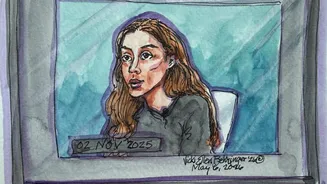
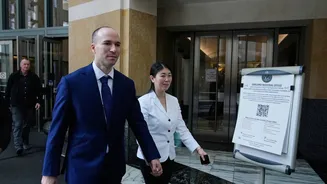
In his testimony, Musk reiterated that he could have established OpenAI as a for-profit venture but chose the nonprofit route for the public good. Judge Gonzalez Rogers expressed skepticism about this rationale, noting Musk's involvement in xAI, a competing AI firm.OpenAI's representatives, including co-founder Greg Brockman, contended that their mission transcends individual interests, asserting that the organization aims to benefit humanity as a whole. Brockman alleged that Musk sought unilateral control over OpenAI, contradicting the cooperative vision they initially shared.
Musk is not only pursuing damages but also seeking Altman's removal from OpenAI's board, a victory that could significantly impact the company's plans for an initial public offering.