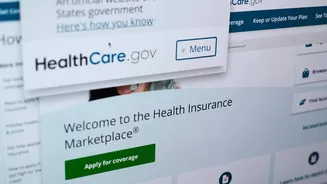
According to new data from the U.S. Centers for Disease Control and Prevention, approximately 8% of Americans lacked health insurance in 2025. This figure
remains consistent with previous years, reflecting a significant reduction from earlier decades. However, experts warn that the uninsured rate could rise in the coming years due to recent policy changes, particularly those implemented by the Trump administration, which may impact millions of individuals relying on health coverage.
Impact of Policy Changes
Legislative changes to Medicaid, the government health program for low-income Americans, could lead to an estimated 10 million additional uninsured individuals over the next decade, according to the Congressional Budget Office. The expiration of certain Affordable Care Act subsidies this year is also expected to decrease participation in marketplace health programs, with projections indicating around 5 million fewer enrollments in 2026 compared to 2025, as reported by the healthcare research nonprofit KFF.
Data Sources and Analysis
Multiple government programs track Americans' insurance status, often yielding varying figures due to differences in timing and question phrasing. David Howard, a health policy and management professor at Emory University, noted that many researchers regard the U.S. Census Bureau as the authoritative source for this data. The CDC's survey aligns closely with Census Bureau findings, providing comprehensive data for 2025, which marks the first year of President Trump's second term.
Current Trends in Insurance Coverage
While the percentage of insured and uninsured individuals remained stable in 2025, the number of uninsured increased by approximately 800,000, including 300,000 children. This growth correlates with the overall increase in the U.S. population. The survey results also hint at a potential rise in insurance coverage among Hispanic Americans, though this may be partially attributed to the Trump administration's immigration policies, which may have led some uninsured individuals to leave the country.
Historical Context
The health insurance landscape has seen significant fluctuations over the decades. The uninsured rate for Americans under 65 rose from 12% in 1980 to over 18% in 2010 before decreasing following the Affordable Care Act's passage in 2010. By 2016, the rate had nearly reached 10% but rose again during Trump's first term, reaching 11% to 12% according to historical data from the CDC's National Center for Health Statistics.
Pandemic Effects
The COVID-19 pandemic contributed to a decrease in the uninsured rate, primarily due to government policies aimed at maintaining coverage amid pandemic-related disruptions. This rate reached an all-time low in 2023, falling below 9%.