






What is the story about?
ISLAMABAD (AP) — In light of escalating fears of a broader regional conflict following recent U.S. and Israeli strikes on Iran, Pakistan has emerged as an unexpected
mediator, offering to facilitate dialogue between Washington and Tehran. Although Pakistan is not typically seen as a key player in high-stakes diplomacy, its relatively good relations with both the U.S. and Iran, along with its vested interests in resolving the conflict, have positioned it to take on this role.
Pakistan's Role in Diplomatic Efforts
Pakistani government officials have indicated that their public peace initiative follows weeks of discreet diplomacy, although they have not disclosed many specifics. They have expressed readiness to host discussions between U.S. and Iranian representatives.The acknowledgment of Pakistan's involvement in the Iran-U.S. negotiations surfaced recently, with officials confirming that a U.S. proposal was communicated to Iran.
While it is unclear who represents Iran in these indirect talks, Iranian officials have denied holding discussions with the U.S. and have dismissed the American proposal, though they have acknowledged providing their own suggestions.
Pakistani officials report that U.S. messages are being conveyed to Iran, and Iranian replies are being relayed back to Washington, although details on the communication process remain unspecified. Pakistan's Foreign Minister Ishaq Dar noted that Turkey and Egypt are also working behind the scenes to facilitate negotiations.
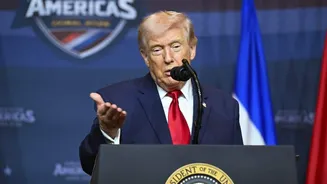
Abdullah Khan, managing director of the Pakistan Institute for Conflict and Security Studies, remarked that Pakistan’s mediation efforts might be helping to maintain relative restraint in the ongoing conflict. He pointed out that U.S. President Donald Trump has postponed threats of extensive attacks on Iran’s energy infrastructure, citing diplomatic progress.
Strategic Position of Pakistan
Historically, U.S.-Iran negotiations have primarily involved Middle Eastern countries, such as Oman and Qatar. However, as these nations come under Iranian scrutiny amid the conflict, Pakistan has stepped into a more prominent role.Analysts assert that Pakistan's geographical proximity to Iran, being one of its neighboring countries, combined with its long-standing relationship with the U.S., grants it a unique position at a time when direct communication between the two nations is limited.
Islamabad maintains productive relations with key stakeholders in the conflict, including the U.S. and Iran. Pakistan has established close strategic ties with Gulf states, including Saudi Arabia, with which it signed a defense cooperation agreement last year. However, it has no diplomatic relations with Israel due to the ongoing issue of Palestinian statehood.
Relations between the U.S. and Pakistan have seen improvement since last year, marked by increased diplomatic engagement and growing economic ties. Pakistan also joined Trump's Board of Peace, which seeks to promote peace in Gaza, despite facing opposition from Islamist factions within the country.
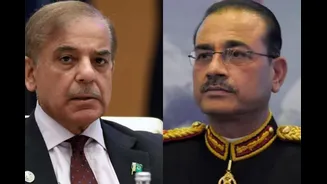
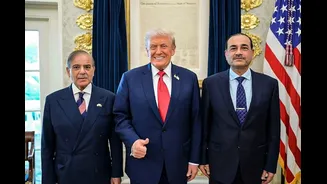
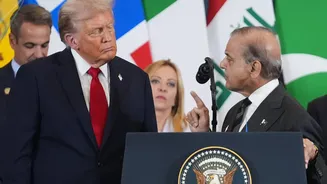
Over the weekend, Trump engaged in discussions with Pakistan's army chief, Field Marshal Asim Munir, who has been characterized by the U.S. president as his “favorite Field Marshal.” Analysts believe he has cultivated positive relations with both Iranian and U.S. military officials.
Economic Implications of the Conflict
The ongoing conflict presents significant economic and energy security challenges for Pakistan, as noted by Islamabad-based security analyst Syed Mohammad Ali.Pakistan relies heavily on the Middle East for its oil and gas supplies, and the five million Pakistanis employed in the Arab world send home remittances that approximate the country’s total export earnings.
Rising tensions have already driven up global oil prices, prompting Pakistan to raise fuel prices by approximately 20%, thereby exerting pressure on Prime Minister Shehbaz Sharif's government.
The war also exacerbates domestic instability, as Pakistan contends with its own ongoing conflict with neighboring Afghanistan. Islamabad has accused the Taliban government there of harboring militant groups responsible for attacks in Pakistan.
Protests erupted across Pakistan earlier this month following U.S. strikes on Iran, leading to clashes between demonstrators and security forces in multiple cities.
A day after the U.S. and Israel launched attacks on Iran, resulting in the death of Supreme Leader Ayatollah Ali Khamenei, violence broke out in Karachi and other northern regions, leaving at least 22 individuals dead and over 120 injured nationwide.
At least 12 fatalities occurred in and around the U.S. Consulate in Karachi after a mob attempted to breach the compound and set it ablaze.
Khamenei was a pivotal religious and political figure for Shiites worldwide, including in Pakistan.
Historical Context of Pakistan's Mediation
While Pakistan does not frequently serve as a mediator, it has a history of involvement in significant diplomatic discussions.Former President Gen. Yahya Khan facilitated backchannel communications that led to U.S. President Richard Nixon’s landmark 1972 visit to China, establishing diplomatic relations between Washington and Beijing in 1979.
Since then, Pakistan has participated in several complex regional conflicts, most notably during the 1988 Geneva Accords that facilitated the Soviet withdrawal from Afghanistan. Acting as a frontline state and key intermediary, Islamabad engaged in U.N.-brokered negotiations while collaborating closely with the United States and other stakeholders to apply pressure on Moscow.
More recently, Pakistan played a role in establishing contacts between the Afghan Taliban and Washington, which culminated in negotiations in Doha and led to a 2020 agreement that set the stage for the withdrawal of U.S.-led NATO forces and the Taliban's return to power in 2021.