







New details of a proposed US-Iran memorandum of understanding (MOU) have emerged, outlining a framework for a broader peace agreement that would address
sanctions, nuclear issues, maritime security and regional conflicts. According to a report by The New York Post citing Israel's Channel 12, the document would extend the current ceasefire to Lebanon, allow Iran to oversee commercial navigation through the Strait of Hormuz, provide temporary relief from certain oil sanctions and establish a pathway towards a more comprehensive settlement between Washington and Tehran. The framework would form the basis for wider negotiations between the two countries and could eventually lead to the withdrawal of US forces from the region and the lifting of sanctions on Iran. The reported details were first disclosed by Axios journalist Barak Ravid, who also reports for Channel 12. The document has previously been described as a 14-point agreement, although 12 provisions have now been made public. Speaking on Tuesday, US Vice-President JD Vance said the administration had deliberately withheld the text of the proposed agreement. "The US has not released text of the highly anticipated peace agreement with Iran because officials needed to 'sequence this in the right way'," Vance said. "There are some delicate diplomatic things going on where the Iranians, and not just the Iranians, but some of our mediators — the Pakistanis and the Qataris — have asked us to sequence this in the right way," he added. Vance said he did not "fully understand" the reasons behind the secrecy. "There are sensitivities that exist in the Arab and Muslim world that we're trying to be responsive to," he said.
Key Provisions
According to the reported framework, the following measures would be included:
- Iran, the US and their allies would stop fighting across the region — including in Lebanon.
- Tehran would reaffirm its pledge never to build a nuclear weapon.
- The US and Iran would work out what happens to Tehran’s enriched uranium stockpile.
- Both sides would open talks on Iran’s future enrichment activities and nuclear needs.
- Iran would maintain the “status quo” of its nuclear program — which has been largely decimated — while negotiations continue.
- The US would lift its naval blockade, hold off on new sanctions and refrain from sending more troops to the region.
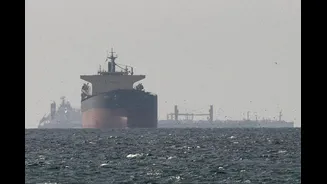
- Iran would guarantee safe, toll-free passage for commercial ships through the Strait of Hormuz for 60 days.
- Washington would release an unspecified amount of frozen Iranian assets once the MOU takes effect.
- A final deal reached after the 60 days would see the US withdraw its forces within 30 days and lift all sanctions on Iran.
- It would pave the way for a $300 billion reconstruction fund for Iran.
- The US would allow Iran to resume oil sales through temporary sanctions waivers.
- Iran, Oman and Gulf states would negotiate new shipping and maritime security arrangements for the Gulf.
Oman and Iran have already begun discussions on the last point, and are aiming to charge a fee for “services” provided, a senior regional source told The New York Post.