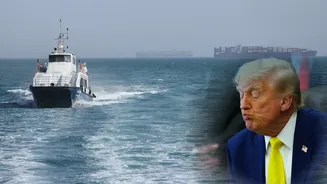




Seven days, that is how much time Iran says it will take for it to reopen the Strait of Hormuz if the United States takes initial steps towards easing
military pressure, a senior Iranian government official told Kyodo News on Tuesday. The proposal has already been conveyed to Washington through mediators and is part of Tehran's latest push to bring the two sides back to negotiations as the war continues to disrupt traffic through the strategic waterway. Under the proposal, Iran would reopen the Strait within a week if Washington moves towards ending its military blockade of Iranian ports and halts military operations related to the waterway. The Iranian official said the renewed talks would be aimed at reaching a permanent end to hostilities between the two countries.
Iran Links Hormuz Reopening To US Military Steps
Tehran's offer comes as the confrontation continues to restrict maritime traffic through the Strait of Hormuz, a vital energy corridor. The disruption has also put pressure on Iran's crude oil exports, an important source of revenue for the country, adding an economic dimension to its latest diplomatic initiative.
The Iranian official said Tehran was seeking signs that Washington was prepared to return to negotiations and take steps towards ending the military blockade of Iranian ports. If those steps are taken, Iran is prepared to reopen the waterway within seven days and return to the negotiating table.
“There is a possibility of moving toward an agreement,” the official said, while stressing that Washington would need to demonstrate “seriousness and commitment” for diplomacy to move forward.
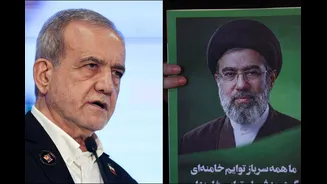
The proposal has reportedly been approved by Supreme Leader Mojtaba Khamenei and the Supreme National Security Council, Iran's top security body, according to the official. It has been conveyed to Washington through intermediaries rather than through a direct meeting between the two presidents.
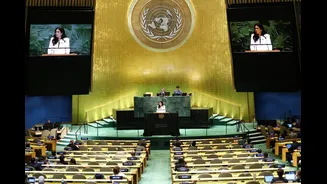
The timing is also significant. Tehran plans to use this week's United Nations General Assembly gathering in New York to consult countries acting as intermediaries and explore a possible path back to negotiations.
Tehran Rules Out Trump Pezeshkian Meeting
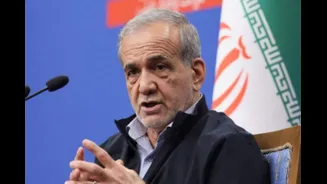
Despite the diplomatic push, the Iranian official ruled out a meeting between President Masoud Pezeshkian and US President Donald Trump on the sidelines of the UN General Assembly. The official nevertheless said that progress towards an agreement remained possible.
The latest proposal follows conditions publicly outlined by Supreme National Security Council Secretary Mohsen Rezaei. On Saturday, Rezaei said Tehran had presented Washington with seven conditions, including an end to the blockade of Iranian ports and the unfreezing of Iranian assets.
The official who spoke to Kyodo did not say whether the seven-day Hormuz proposal represented a partial relaxation of those conditions. Instead, the offer appears to establish a possible sequence in which Washington takes initial steps, Iran reopens the waterway, and the two sides return to negotiations.
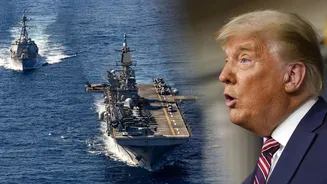
The initiative also comes as a deadline set by Iran's Supreme National Security Council approaches. According to the Iranian official, the council decided on August 16 that Iran would retain the option of carrying out another attack on US forces if Washington failed to lift the blockade of Iranian ports within 45 days.
That deadline adds another layer of urgency to Tehran's diplomatic push. At the same time, the official's comments suggest that Iran is keeping the possibility of negotiations open even as military tensions remain unresolved.
Hormuz Remains At Centre Of Iran War
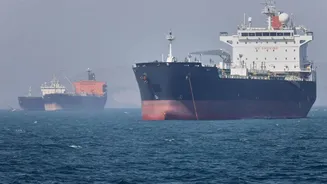
The Strait of Hormuz has remained at the centre of the confrontation because of its importance to global energy and commercial shipping. The prolonged disruption has pushed maritime traffic well below pre-war levels, while restrictions around Iranian ports have also affected the country's ability to export crude.
The war began in late February after the United States and Israel launched attacks on Iran. A US-Iran memorandum of understanding reached in June subsequently broke down amid renewed hostilities and unresolved disputes.
The two sides have since engaged in intermittent exchanges of attacks, leaving the possibility of a wider resumption of hostilities unresolved. Against that backdrop, the Iranian offer represents one of Tehran's clearest recent proposals linking the future of Hormuz directly to a diplomatic process.
For now, however, the seven-day reopening remains a proposal from Tehran rather than an agreed arrangement with Washington. The next stage will depend on whether the United States is prepared to take the initial military and diplomatic steps demanded by Iran and whether those moves are sufficient to bring the two sides back to the negotiating table.