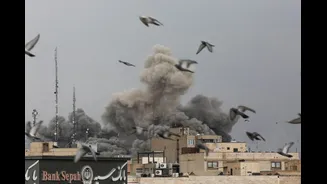
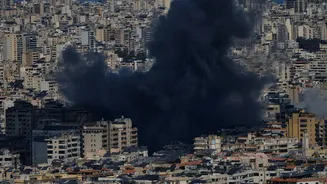
Israeli Prime Minister Benjamin Netanyahu declared on Tuesday that Israel will persist in its military operations against Iran, aiming for the popular
overthrow of the Iranian government. This announcement followed Iran's launch of drones and missiles targeting Israel and Gulf nations. Netanyahu emphasized the importance of empowering the Iranian people to rid themselves of tyranny, stating, "But there is no doubt that with the actions taken so far, we are breaking their bones." His remarks were made during a meeting with leaders from Israel's healthcare sector.
U.S. President Trump Sends Mixed Signals
U.S. President Donald Trump conveyed inconsistent messages regarding the duration of the ongoing conflict, contributing to market volatility. While discussing the situation with Republican lawmakers, Trump suggested the war could be a "short excursion," yet later warned on social media that the U.S. would significantly escalate attacks if Iran attempted to obstruct the Strait of Hormuz.
Iran's Stance on Ceasefire
Iranian Parliament Speaker Mohammad Bagher Qalibaf firmly rejected any notions of a ceasefire, asserting that Tehran intends to continue its military efforts. He stated, "We are definitely not looking for a ceasefire; we believe that the aggressor should be punched in the mouth so that he learns a lesson so that he will never think of attacking our beloved Iran again."
G7 Nations Consider Oil Stock Release
The G7 nations deliberated on Monday about releasing emergency oil stocks to mitigate rising prices. French government spokesperson Maud Bregeon indicated that discussions among energy ministers would continue on Tuesday, aiming to reduce oil prices by increasing market supply.
Germany's Military Position
German Foreign Minister Johann Wadephul stated there is currently no need to deploy military hardware to Cyprus or the eastern Mediterranean, despite recent Iranian drone attacks on a British air base in Cyprus. Wadephul acknowledged the pragmatic deployment of warships by Greece, France, and Italy while noting the absence of a direct threat to European nations from the conflict.
Saudi Aramco's Pipeline Capacity
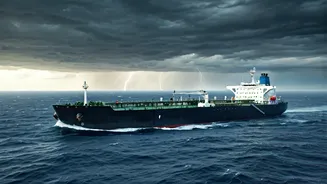
Saudi Aramco announced that its East-West pipeline would reach full capacity in the coming days, with a daily output capability of 7 million barrels. CEO Amin Nasser noted the need for tankers to reposition due to the ongoing crisis affecting oil shipments through the Strait of Hormuz.
Impact on Global Oil Markets
Nasser also highlighted potential repercussions for global oil markets as the conflict continues, suggesting that diminished shipments from the region could lead to increased prices for gasoline and jet fuel. He remarked, "Given the current geopolitical situation, we may see inventories eroding and being drawn down faster as shipments are being curtailed from the region."
Regional Responses to Fuel Price Increases
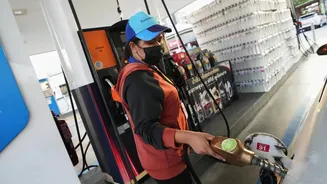
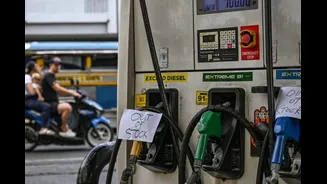
In response to rising fuel prices, Thailand's Prime Minister Anutin Charnvirakul directed non-public-facing government employees to work from home. Meanwhile, the Vietnamese government implemented similar measures, urging citizens to limit vehicle use amid fuel shortages and price hikes.
Humanitarian Aid from Azerbaijan
Azerbaijan has dispatched humanitarian aid to Iran, including essential supplies such as flour, rice, sugar, and medicines. This gesture follows heightened tensions between the two nations, particularly after Azerbaijan accused Iran of drone attacks on its territory, which Iran denies.
Iran's Media Reporting Restrictions
Iran's judiciary has issued warnings to local media regarding their reporting practices amid the ongoing conflict. Judiciary spokesman Asghar Jahangir stated that outlets failing to comply with security protocols would face legal repercussions.
Israel's Military Actions
The Israeli military reported the killing of three Palestinians in Gaza during a confrontation near the Israel-controlled area. This incident is part of ongoing tensions, with the military citing a total of 80 Palestinian deaths near the border since the start of the ceasefire.