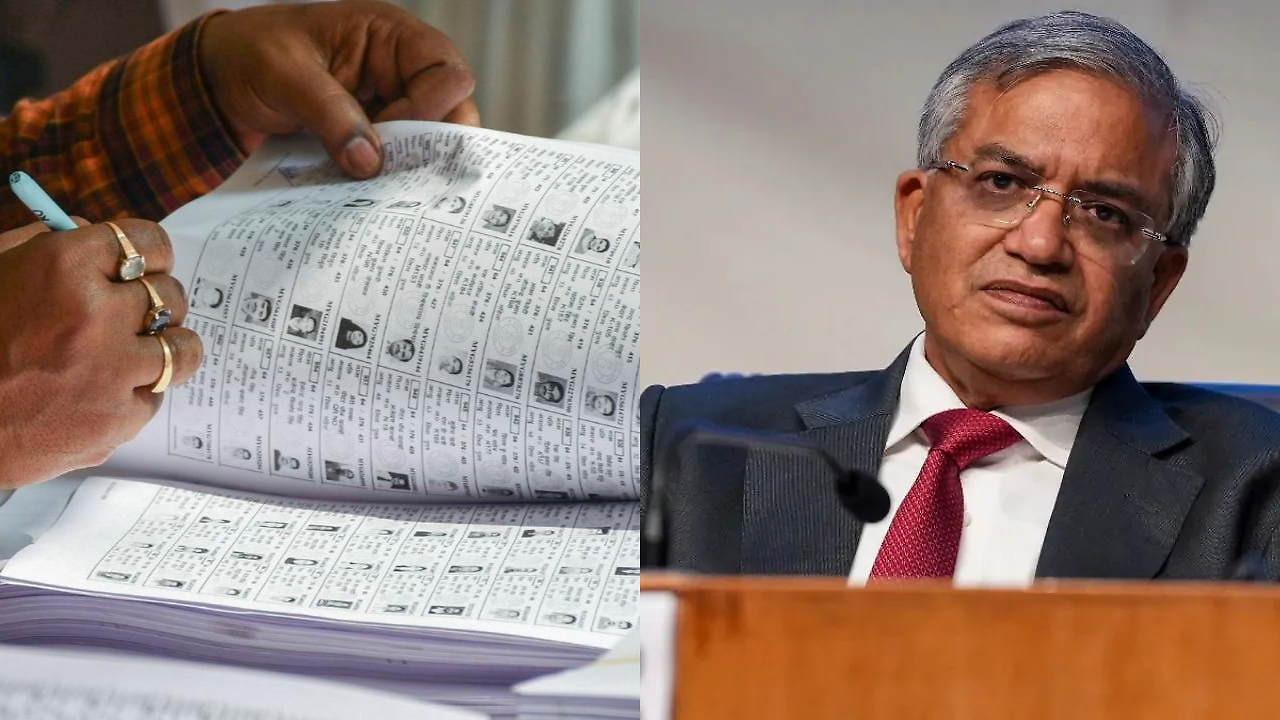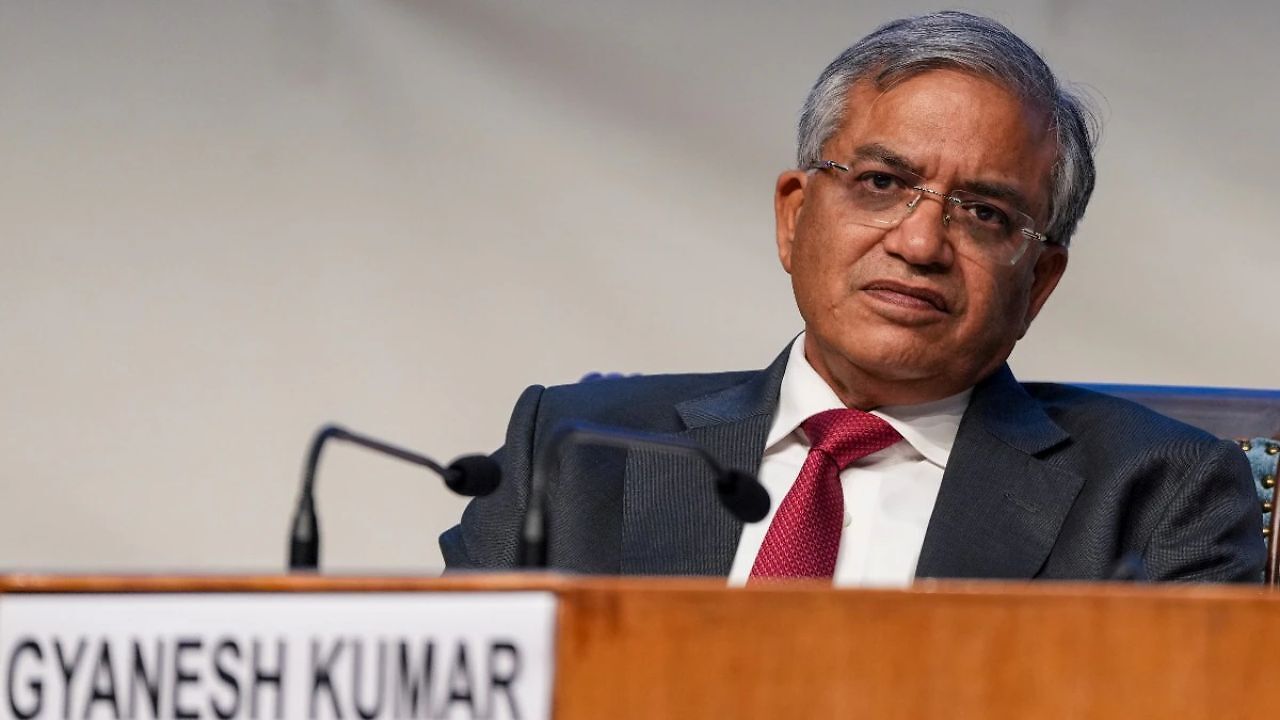






A fresh political controversy erupted on Wednesday over the Election Commission’s Special Intensive Revision (SIR) exercise after an Indian newspaper reported
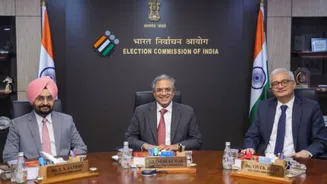
that Election Commissioners Sukhbir Singh Sandhu and Vivek Joshi had raised objections at least 14 times over the past 10 months to decisions linked to electoral rolls. According to a report published in the Indian Express, the objections concerned several aspects of the electoral process, including the addition, deletion and restoration of voters, appeals during the SIR exercise and access to the electoral-roll database. The report said the two Election Commissioners -- Sukhbir Singh Sandhu and Vivek Joshi -- had recorded concerns over decisions that were reportedly taken without their knowledge or approval. The report triggered a sharp political reaction, with Opposition parties targeting Chief Election Commissioner Gyanesh Kumar and questioning the functioning of the poll body.
ECI Rejects ‘Internal Rift’ Claim
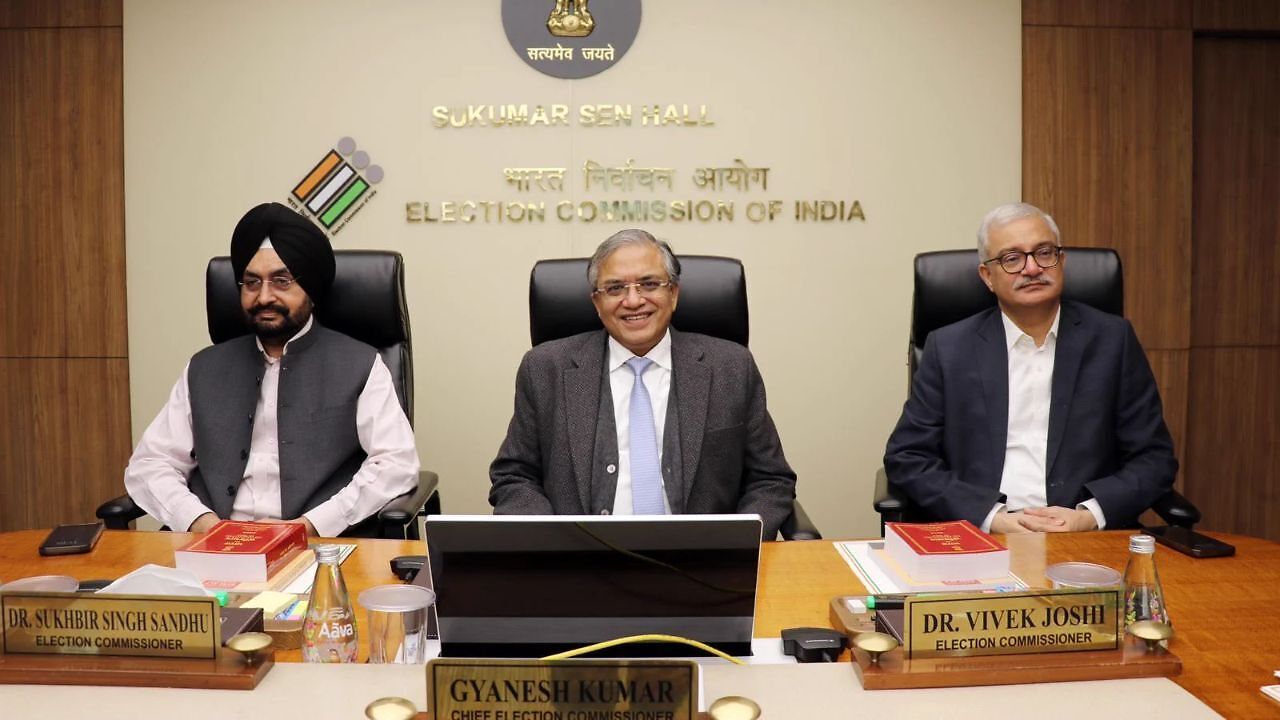
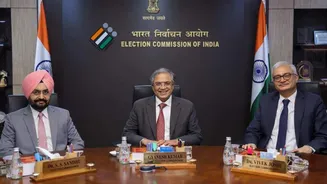
The Election Commission, however, pushed back against the report, saying there was no dissent within the three-member Commission. Sources in the poll panel said the observations made by Sandhu and Joshi were considered and examined, adding that they should not be interpreted as formal dissent.The poll body maintained that decisions taken by the Commission, including those related to SIR, were unanimous and carried the signatures of all three members — CEC Gyanesh Kumar, Sukhbir Singh Sandhu and Vivek Joshi.
However, it is important to note that the Commission did not dispute the existence or contents of the 14 notes cited in the Indian Express investigation. Instead, it described the communications as part of the decision-making process and maintained that the eventual decisions were unanimous.
Opposition Escalates Attack
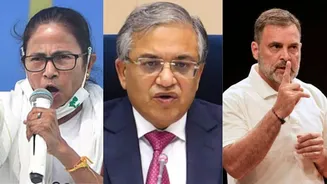
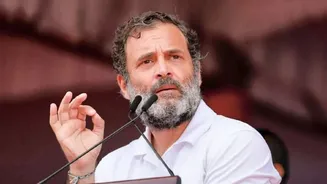
The EC clarification did little to contain the political fallout. Congress leader Rahul Gandhi attacked the Election Commission, BJP and RSS over the SIR controversy, alleging that the exercise amounted to “vote chori” and calling it an attack on the Constitution.Other Opposition leaders also stepped up their criticism of CEC Gyanesh Kumar following the report, with some demanding his removal and questioning the functioning of the poll panel.
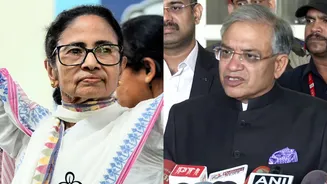
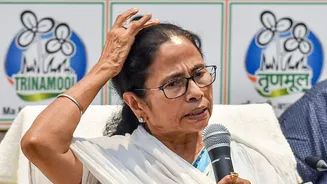
Former West Bengal Chief Minister Mamata Banerjee also launched a sharp attack, demanding action against Gyanesh Kumar and calling for fresh elections in the state using the pre-SIR electoral rolls. She also announced plans for a wider political movement against the Election Commission.
RJD leader Tejashwi Yadav also claimed that the elections in Bihar, West Bengal, Delhi, and other states were rigged as he demanded a repolling in all these states. Tejashwi's statement has come after media reports claimed that there was an internal 'rift' with the Election Commission over certain issues related to the ongoing Special Intensive Revision (SIR) in the country.
Voicing her opinion, Rajya Sabha MP and TMC leader Sagarika Ghosh said, "There is no question about the fact that Chief Election Commissioner Gyanesh Kumar must step down. He has snatched away the constitutional right to vote, and he must step down and proceedings must be brought against him. That's point number one."
"Point number two: all elections held under the aegis of Gyanesh Kumar—that is, when Gyanesh Kumar was Chief Election Commissioner—it is our view that none of those elections are legitimate. They are all illegitimate elections which have been held under the supervision of Gyanesh Kumar. Gyanesh Kumar must step down and must be relieved of his post," she added.
BJP Terms It 'Signs Of Healthy Democracy'
The Bharatiya Janata Party, meanwhile, defended the Election Commission and argued that the reported exchanges between its members should not be viewed as evidence of a breakdown within the poll panel. BJP MP Sambit Patra said that differences and consultations among the three Election Commissioners were part of democratic functioning.
Referring to the reported 14 instances of dissent, Patra said that if commissioners merely agreed with each other without discussion, the Opposition would accuse the institution of being dictatorial; he described internal deliberations as a “sign of a healthy democracy.”
The controversy has therefore moved beyond the SIR exercise itself, with the central question now being whether the objections raised by two Election Commissioners represent substantive internal disagreement or routine deliberations that ultimately resulted in unanimous decisions.