

What is the story about?
Cuba has been plunged into a deepening crisis, especially with the US' oil blockade cutting off fuel supply to the island nation. On Monday, the country
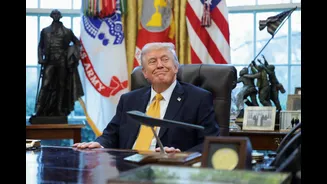
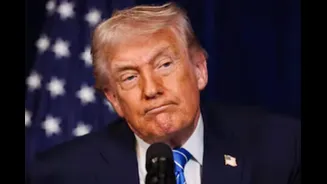
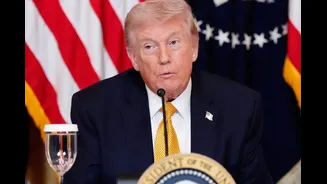
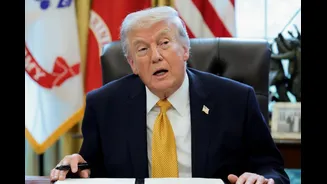
witnessed a nationwide blackout after its power grid collapsed, sparking fresh protests. US President Donald Trump wasted no time in increasing his pressure on the island's communist government. "I do believe I'll (have) the honour of taking Cuba. Taking Cuba in some form, whether I free it, take it, I can do anything I want," he said, escalating his rhetoric.
Fuel Squeeze Behind Blackout
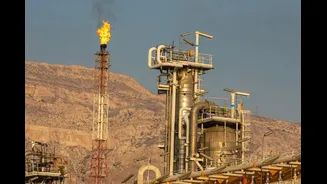
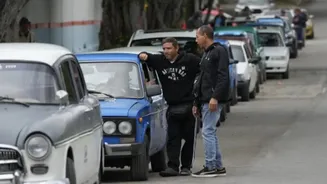
Cuba, home to about 11 mllion people, has long dealt with power shortages. But the situation has worsened sharply in recent months after Washington cut off oil shipments from Nicolas Maduro's Venezuela - Havana's key supplier. The US also warned other countries against sending fuel To Cuba. And the pressure appears to be biting. President Miguel Díaz-Canel said last week that the country had received no fuel for three months.
Despite the grid collapse, authorities said there were no reports of failures in the operating power units, suggesting that the outage was linked to supply constraints rather than technical breakdowns.
Protests Erupt
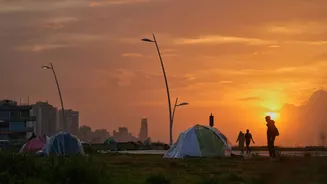
The worsening blackouts have triggered protests across Cuba. Demonstrations have been reported for over a week, with unrest turning violent in the central city of Moron, where crowds threw objects at Communist Party offices and set furniture on fire. "Every night for 10 days they have gone out to protest in a different area of the country because of the blackouts," said Norges Rodriguez of YucaByte. "This is the first time they have protested so many consecutive days in a row." Authorities have responded with arrests.
'Iran Before Cuba'
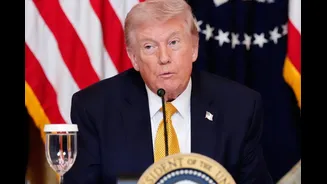
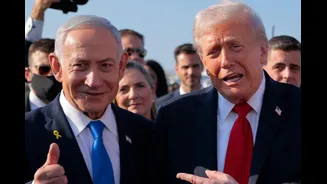
Trump has repeatedly hinted that Cuba could be his next focus after Venezuela and Iran. He said Washington was "talking to Cuba, but we're going to do Iran before Cuba," referring to the ongoing US-Israeli military campaign against Tehran. A White House official later said, "As the President has stated, we are talking to Cuba, whose leaders should make a deal, which he believes 'would be very easily made'.". He added: "Cuba is a failing nation whose rulers have had a major setback with the loss of support from Venezuela and with Mexico ceasing to send them oil."
Under mounting strain, Diaz-Canel signalled a shift in approach. He said Cuba was in talks with the US to find "solutions through dialogue to the bilateral differences between the two nations". In a rare outreach, his government also invited Cubans abroad to "participate in our country;s economic and social development".
Deputy Prime Minister Oscar Perez-Oliva Fraga said expatriates would be allowed to invest in small private businesses. This is a notable change in a system that has historically labelled exiles as "gusanos" or "scum".
But opposition groups remain skeptical. "The regime must be truly desperate to seek resources from the very people they once branded as 'scum' and forced into exile," said Orlando Gutierrez-Boronat. "We know this administration despises free Cubans who refuse to be controlled by the Communist Party. It is vital to withhold investment now and wait for a truly free Cuba."