






What is the story about?
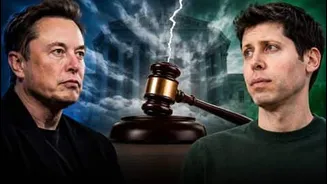
OAKLAND, Calif. (AP) — OpenAI, the creator of ChatGPT valued at $852 billion, successfully defended itself in court against Elon Musk, who sought to remove
CEO Sam Altman and implement other significant changes within the organization. The federal jury in Oakland determined that Musk's lawsuit was filed beyond the statutory deadline, effectively ruling in favor of OpenAI. Despite the victory, both parties have faced reputational damage as the trial highlighted underlying tensions within the artificial intelligence sector.
Courtroom Dynamics
The trial unfolded over three weeks, featuring testimonies that questioned Altman's honesty and the overall integrity of OpenAI's leadership. Witnesses included high-profile figures from the tech industry, emphasizing the significance of the case amidst growing concerns over artificial intelligence's societal impact.Sarah Kreps, director of Cornell University’s Tech Policy Institute, remarked, “This trial serves as a stark reminder of how the future of AI hinges on a small cadre of powerful tech leaders and their personal conflicts.”
Musk's Allegations and Response
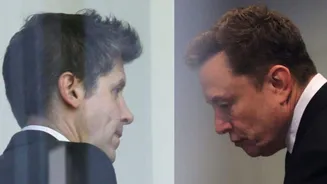
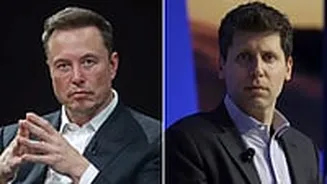
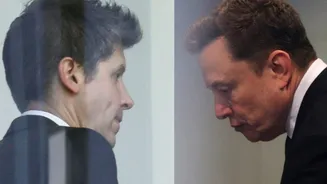
Musk accused OpenAI and its executives of straying from their original mission as a nonprofit aimed at ensuring AI's ethical development. In contrast, Altman alleged that Musk's actions were driven by self-interest related to his own AI company, xAI.Following the jury's decision, Musk announced plans to appeal, criticizing Judge Yvonne Gonzalez Rogers for her handling of the trial. He labeled her a “terrible activist Oakland judge,” claiming she used the jury to set a negative precedent.
Broader Implications of the Trial
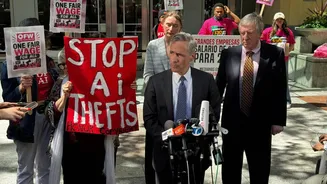
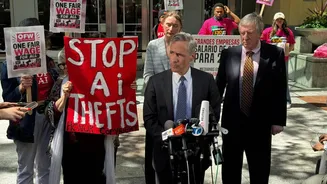
The case not only spotlighted the rivalry between Musk and Altman but also illuminated broader societal concerns regarding AI's potential risks, such as job displacement and mental health issues. Protesters outside the courthouse voiced their discontent, asserting that the true victims of this corporate conflict are ordinary individuals affected by the technology.Columbia Law School professor Dorothy Lund noted, “This trial encapsulates a critical moment where powerful technologies are being developed by for-profit entities, rather than through government initiatives, leading to significant societal implications.”
Reputation and Future Prospects
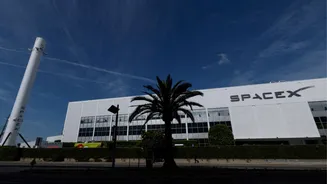
The trial revealed internal communications within Silicon Valley, exposing the contentious dynamics of the industry. Text messages and emails presented as evidence provided insight into the complexities of OpenAI's governance and the challenges it faces moving forward.As both OpenAI and Musk's SpaceX prepare for substantial initial public offerings, experts warn that the reputational damage from the trial could have unforeseen consequences for their future endeavors. University of Richmond Law School professor Carl Tobias stated, “The situation is fraught with implications that may affect their standing in the industry, but AI's progression is likely to continue regardless of OpenAI's status.”