








The Election Commission of India’s (ECI) Special Intensive Revision (SIR) exercise, which has so far led to the deletion of more than 13 crore names from
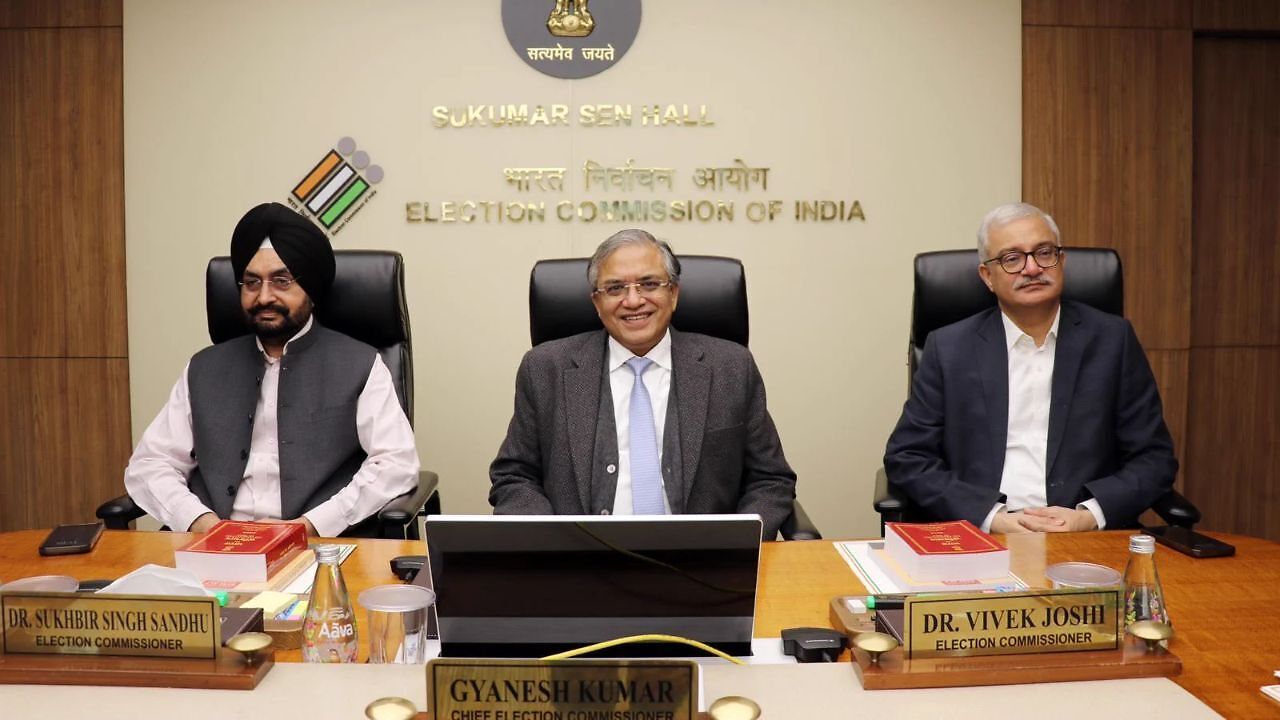
draft electoral rolls across 30 states and Union Territories, is now at the centre of a major controversy after an investigation revealed sustained internal dissent within the poll body itself. According to an Indian Express report, Election Commissioners Sukhbir Singh Sandhu and Vivek Joshi formally objected at least 14 times over the past 10 months to decisions linked to the SIR process, alleging that key actions were taken without their knowledge or approval. Their objections, recorded in official communications and copied to Chief Election Commissioner (CEC) Gyanesh Kumar, relate to voter registration, deletion and restoration of names, appeals filed during the SIR process, and access to the electoral roll database. The SIR exercise began in Bihar in June 2025 before being expanded nationwide. Election Commission data released earlier this month showed that 13.37 crore names had been removed from draft rolls so far, amounting to a reduction of around 14.1 per cent from pre-SIR voter lists. Delhi recorded the highest deletion rate at 32.8 per cent, followed by Dadra and Nagar Haveli and Daman and Diu, Telangana and Maharashtra. One of the key points of disagreement concerns Form 6, the application form used by new voters seeking enrolment. The Indian Express reported that a new question was introduced this year asking applicants whether they or their parents or grandparents existed in the electoral rolls of the last SIR. According to the report, Joshi had warned in May that such a change could not be made without amending electoral rules, a view supported by Sandhu. However, the change was implemented. Sandhu later described it as “unauthorised and illegal” and sought its immediate removal. Another major concern raised by the two commissioners relates to the management of electoral roll data. The report says Joshi warned of the “gradual centralisation” of the voter database and called for an audit to ensure that only statutory authorities such as Electoral Registration Officers (EROs) had the power to make changes. Sandhu later echoed those concerns, alleging that state-level election officials were being denied full access to the ERONet portal used for maintaining electoral rolls. The commissioners also questioned the filing of appeals in West Bengal after judicial officers restored certain voters to the rolls. Sandhu reportedly sought details on who authorised the appeals and under what authority they were filed on behalf of the Election Commission. In Goa, the commissioners highlighted a case where 97 voters who had been found eligible by Electoral Registration Officers were allegedly left out of the final rolls because the software lacked a mechanism to reverse earlier deletions, despite directions from the Supreme Court. The revelations come at a time when the SIR process is already facing judicial scrutiny. The Supreme Court has recently sought explanations from the Election Commission over notices issued to voters on the basis of so-called “logical discrepancies” and has expressed concern over what it described as mechanically generated notices. Under Article 324 of the Constitution and the Chief Election Commissioner and Other Election Commissioners Act, 2023, the Commission is required to function collectively, with decisions expected to be taken unanimously as far as possible or by majority in case of disagreement. According to The Indian Express, both Sandhu and Joshi repeatedly reminded Commission officials that communications issued in the name of the ECI required the approval of the full Commission. The newspaper reported that questionnaires sent to the Election Commission and the two commissioners seeking responses to the concerns raised did not receive a reply.