






The United States has floated a new proposal aimed at easing tensions between Israel and Lebanon as cross-border hostilities continue, while President
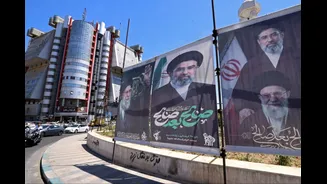
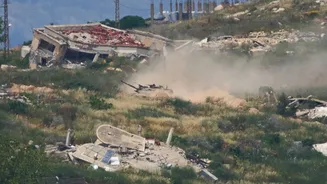
Donald Trump has reportedly returned a separate draft agreement with Iran for significant revisions. US Secretary of State Marco Rubio held discussions with Lebanese President Joseph Aoun and Israeli Prime Minister Benjamin Netanyahu regarding efforts to stabilise the Israel-Lebanon front, according to a US official familiar with the talks. Under the proposal, Washington wants Hezbollah, the Iran-backed militant group, to halt all attacks on Israel as an initial confidence-building measure. In return, Israel would refrain from escalating military operations in Beirut. "This would create space for gradual de-escalation and an effective cessation of hostilities," the official said. President Aoun is said to be working to advance the proposal and secure an understanding between the parties. However, Lebanese Parliament Speaker Nabih Berri, who has positioned himself as a guarantor of Hezbollah's commitment to any ceasefire arrangement, argued that Israel must first stop launching attacks. The diplomatic push comes despite a ceasefire announced more than six weeks ago, which has repeatedly come under strain. On Sunday, Netanyahu said he had ordered Israeli forces to push deeper into Lebanese territory as part of operations against Hezbollah. Israeli troops recently captured the historic Beaufort Castle and a strategically important ridge in southern Lebanon, according to the military. The advance followed one of the heaviest barrages of Hezbollah fire towards northern Israel since the April ceasefire, forcing school closures and prompting security restrictions. The US official stressed that Washington does not expect Israel to tolerate continued attacks on its civilian population.
Trump Seeks Changes to Iran Proposal
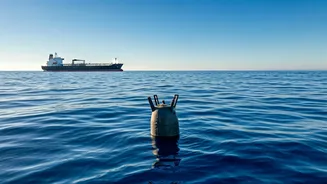
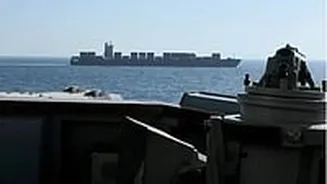
Meanwhile, Trump has reportedly sent back a proposed agreement with Iran for extensive revisions, despite earlier describing the framework as being close to completion. According to US media reports, the latest draft includes a 60-day cessation of hostilities, stricter conditions related to Iran's nuclear programme and provisions aimed at ensuring the uninterrupted reopening of the Strait of Hormuz.
Speaking in a Fox News interview, Trump reiterated that preventing Iran from acquiring nuclear weapons remains his primary objective.
"The one guarantee that I have to have is that there will be no nuclear weapons," he said.
No formal agreement has yet been announced.
Trump has also reportedly expressed reservations about the scale of financial relief that could be offered to Tehran under any deal, seeking to avoid comparisons with the Obama-era nuclear agreement, which he has frequently criticised.
While Trump insisted there had been no discussions about direct financial payments, Iranian officials have maintained that economic relief must form part of any eventual agreement.
A White House official said, "President Trump will only make a deal that is good for America and satisfies his red lines."
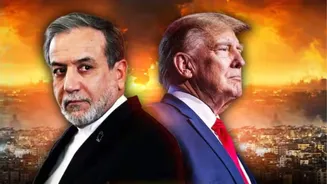
The proposal has previously been described as a memorandum of understanding awaiting final approval from both sides. Iranian officials continue to insist that any agreement must contain clear guarantees. Foreign Minister Abbas Araghchi urged caution over reports surrounding the negotiations.
"Until a conclusion is reached, everything that is being said now is speculation," Araghchi said.
Democratic Senator Chris Coons, a member of the Senate Foreign Relations Committee, said the framework outlined by Trump appeared workable in principle but could face significant implementation challenges, particularly concerning arrangements involving the Strait of Hormuz.
The negotiations follow months of conflict and a fragile truce that came into effect on April 8. Although Trump has repeatedly suggested that a breakthrough is near, a final agreement remains elusive.
Adding pressure to the talks, US Defence Secretary Pete Hegseth warned that military options remain available should diplomacy fail to produce a satisfactory outcome. "Our stockpiles are more than suited for that," Hegseth said during an address in Singapore.