








What is the story about?
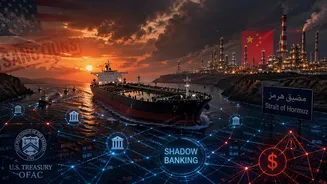
DUBAI, United Arab Emirates (AP) — The United States has issued a warning to shipping companies, indicating they may face sanctions if they make payments
to Iran for safe passage through the Strait of Hormuz. This alert, released by the U.S. Office of Foreign Assets Control (OFAC) on Friday, adds further tension to the ongoing standoff between the U.S. and Iran regarding control of this vital maritime route.
Significance of the Strait of Hormuz
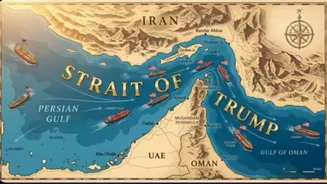
The Strait of Hormuz is a crucial passage for global trade, with approximately 20% of the world's oil and natural gas flowing through it in peacetime.Following military actions by the U.S. and Israel on February 28, Iran effectively restricted normal traffic in the strait, threatening ships and attacking vessels. In response, Iran began charging fees for safe passage by diverting some ships through alternative routes closer to its coastline.
Details of the Sanctions Warning
The sanctions warning specifically targets the payments made by shipping firms, which may involve not only cash but also digital assets, informal swaps, and even charitable donations directed at Iranian embassies, as per OFAC.OFAC stated, “We are issuing this alert to inform U.S. and non-U.S. persons about the sanctions risks associated with making payments to the Iranian regime for safe passage. These risks apply regardless of the payment method used.”
U.S. Naval Response
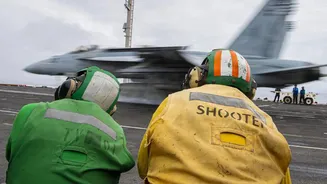
In retaliation for Iran's actions, the U.S. initiated a naval blockade on April 13, preventing Iranian tankers from departing and hindering Iran's oil revenue, which is critical for its struggling economy.According to the U.S. Central Command, 45 commercial vessels have been instructed to turn back since the blockade commenced.
Rejection of Iranian Proposal by Trump
The sanctions warning coincided with U.S. President Donald Trump's rejection of Iran's recent proposal aimed at resolving the conflict between the two nations.Trump commented, “They want to make a deal, I’m not satisfied with it, so we’ll see what happens.” He expressed dissatisfaction with the proposal's content but did not elaborate on its specific flaws, citing frustration with Iran's leadership.
Ceasefire and Ongoing Negotiations
Despite the tensions, a fragile ceasefire between the U.S. and Iran appears to be holding, although both sides have accused each other of violations. This standoff is increasingly affecting the global economy, leading to rising prices and shortages in fuel and related products.Negotiations have continued via phone after Trump canceled a planned envoy trip to Pakistan last week. The president has proposed a new plan to reopen the critical shipping lanes used by Gulf allies to export their oil and gas.
Recent Executions in Iran
In a separate development, Iran announced the execution of two men convicted of espionage for Israel.The Iranian judiciary identified the individuals as Yaghoub Karimpour and Nasser Bekrzadeh, who were executed after the Supreme Court upheld their death sentences. Karimpour was accused of relaying sensitive information to the Mossad, while Bekrzadeh allegedly provided details about government leaders and sensitive sites.
China's Call for Ceasefire
Fu Cong, China's ambassador to the United Nations, emphasized the urgency of maintaining the ceasefire and urged both parties to engage in good faith negotiations to facilitate the reopening of the Strait of Hormuz.Fu noted that Foreign Minister Wang Yi has been in continuous contact with representatives from all involved parties and expressed China's support for Pakistan's mediating efforts.
He attributed the suffering in Iran and neighboring countries, as well as the turmoil in the global economy, to what he described as the illegitimate war waged by the U.S. and Israel.