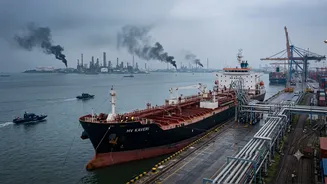








After Russia's oil-refining infrastructure has been damaged from repeated Ukrainian drone strikes, reports suggest Moscow has been importing gasoline or petrol
from India. India is estimated to have dispatched over 1 million barrels over June and July, ship tracking data indicates. According to experts, this is the first instance of Russia importing petrol from India. India, which has emerged as a major exporter of refined petroleum products, is supplying petrol to help bridge the gap. The development highlights the changing dynamics of the global oil trade, with Russia, despite being a major crude oil producer, relying on overseas refined fuel supplies. The increased India-Russia fuel trade also underscores India’s growing role in global energy markets. Experts believe this unusual move comes after repeated Ukrainian attacks on Russian oil refineries, forcing several facilities to reduce or halt operations. Reuters reported that the Orsk refinery stopped processing after a fire linked to a Ukrainian drone attack, while other refineries have also faced disruptions. Russia has responded with measures including gasoline export restrictions and imports of petroleum products. Fuel shortages have resurfaced in several regions as per reports. The disruption is also being felt by Russian consumers, with fuel shortages, longer queues and sales restrictions reported in some regions. Oil experts believe Russia’s decision to import petrol from India marks an unusual shift for one of the world’s largest oil producers and exporters. Repeated Ukrainian drone strikes on Russian refineries have disrupted processing capacity entirely and in the midst of ongoing geopolitical tensions this disruption is adding to the concerns. The situation highlights how attacks on refining infrastructure can not just impact crude oil production but also disrupt transportation, logistics and fuel availability significantly. Some analysts also feel due to Russia's oil-refining infrastructure being damaged, trade flows have been reshaped and have exposed the vulnerabilities of the global energy market.