




New Delhi: Parliament’s Monsoon Session may have delivered key legislation, but its productivity numbers tell a far more turbulent story. The Lok Sabha
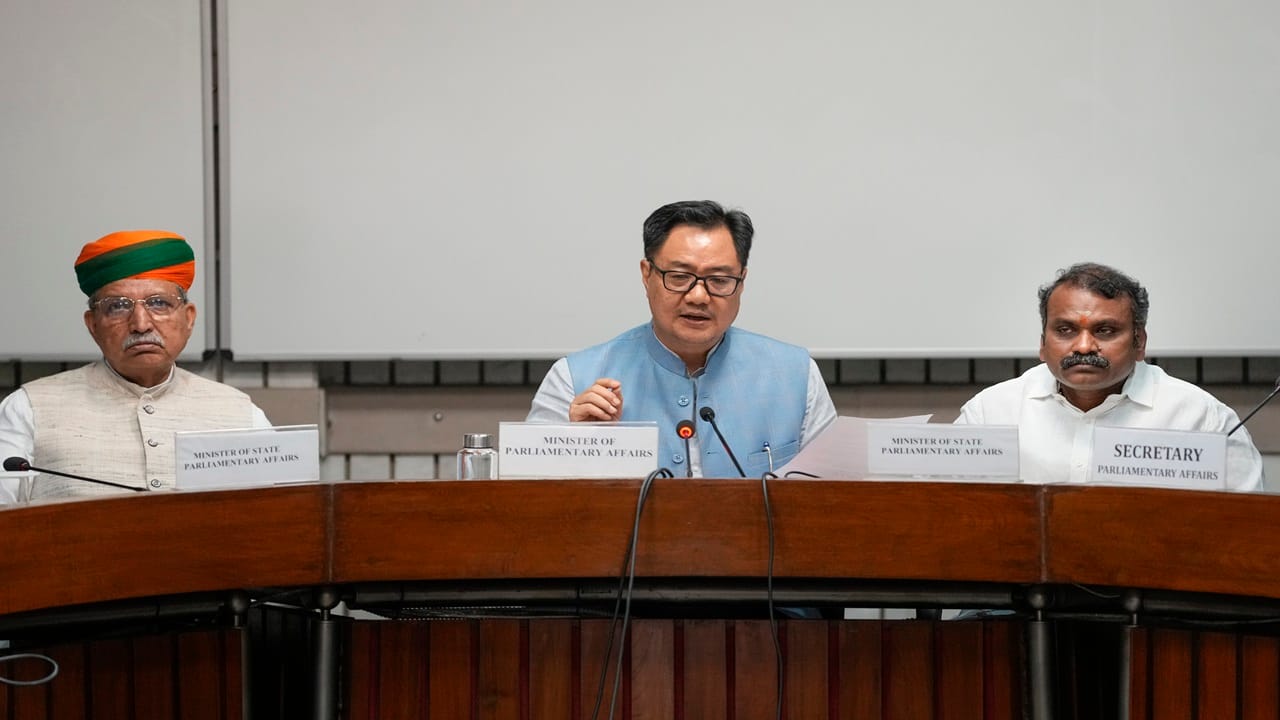
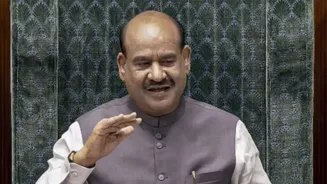
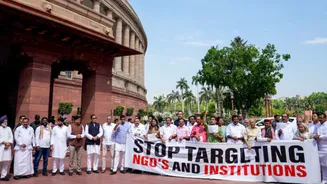
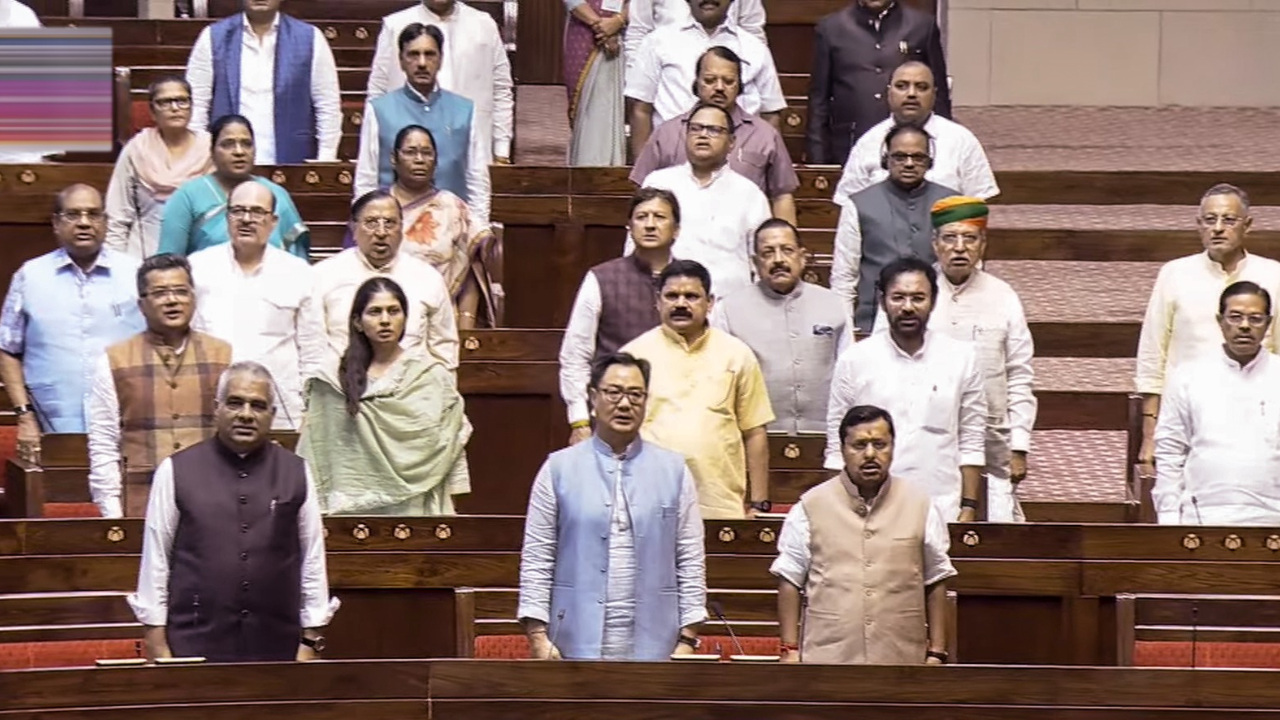
functioned for just 19% of its scheduled time, while the Rajya Sabha recorded 39% productivity, according to Union Parliamentary Affairs Minister Kiren Rijiju. The government, however, sees the session differently. Defending its legislative record while acknowledging the disruptions, Rijiju said, "The Monsoon Session concluded today. We view it from two perspectives. In terms of business, it was a very successful session; we passed a total of 12 bills. However, from the perspective of debate and discussion, it was not as successful. In the Lok Sabha, we achieved only 19% productivity relative to the total time allotted. In the Rajya Sabha, productivity stood at 39%; while opposition parties created a ruckus and occasionally staged walkouts, the majority NDA parties and MPs from some opposition parties participated in the debates and discussions..." The numbers put the session among Parliament’s less productive recent sittings, even as the government points to the passage of 12 Bills as evidence of legislative output. The bigger question, therefore, is not whether Parliament passed laws, but how much of its scheduled time was actually spent debating and scrutinising them. Notably, as per PRS Legislative Research data, the Lok Sabha worked for just 15% of its scheduled time and the Rajya Sabha for 33% at the time of filing of this story. The session closed with an unusual finale. As the Lok Sabha assembled for its final sitting, all six stanzas of Vande Mataram were played before Speaker Om Birla adjourned the House sine die, without delivering his customary valedictory address reviewing the session's productivity. Prime Minister Narendra Modi, Home Minister Amit Shah and Defence Minister Rajnath Singh were present during the brief proceedings. Behind those final minutes was a session dominated by repeated adjournments, slogan-shouting and a political standoff over the police crackdown on students protesting the NEET paper leak, alongside Opposition attacks over alleged theft of donations at the Ram temple in Ayodhya.
Why did Parliament keep getting disrupted
The Monsoon Session, which began on July 20, initially saw the Opposition corner the government over the NEET paper leak, demanding accountability in the examination system.
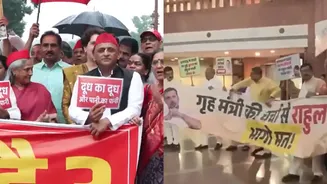
The protests later shifted focus after police action against students demonstrating at Delhi's Jantar Mantar on July 20. The students had gathered to protest alleged irregularities in competitive examinations and demand greater accountability from the government.
The Opposition accused police of using excessive force and demanded that Home Minister Amit Shah explain who authorised the action, including the reported use of pellet guns during the crackdown.
Throughout the session, Speaker Om Birla repeatedly urged Opposition MPs to participate in debates instead of disrupting proceedings. However, protests continued, leading to frequent adjournments.
Rajya Sabha also witnessed disruptions till the final day, with Congress raising the issue of alleged "purification" of party president Mallikarjun Kharge's rally venue in Uttarakhand after his event.
Amit Shah agreed to a debate, but it never happened
As the deadlock deepened, the government attempted to break the impasse.
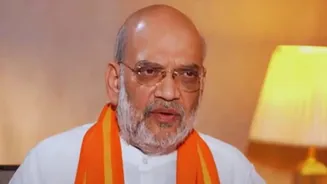
Amit Shah said on Wednesday that he was ready to debate the student protest issue and respond to every question raised by the Opposition. He also urged the Speaker to allocate time for the discussion in consultation with Opposition parties.
The debate, however, never materialised.
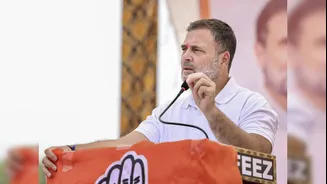
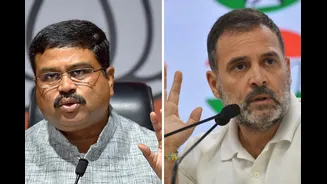
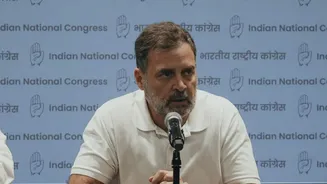
Congress leader and Leader of Opposition Rahul Gandhi rejected Shah's offer, saying the Opposition was not interested in listening to the Home Minister's "lecture."
"The Opposition has clearly said that we are not interested in Amit Shah giving us a lecture. When I say 'we', I mean the younger generation of this country," Gandhi said.
With protests continuing inside the House, the Lok Sabha was adjourned before any discussion could begin.
How many Bills were passed?
Despite the disruptions, Parliament continued processing legislation.
According to PRS Legislative Research, 12 new Bills were introduced during the session - 10 in the Lok Sabha and 2 in the Rajya Sabha.
A notable feature of the session was that none of the Bills was referred to a Parliamentary Standing Committee, a stage often used for detailed scrutiny.
| Title | House of Introduction | Date of Introduction | Referred to Standing Committee | Date of passage in originating house | Date of passage in other house |
| The Kerala (Alteration of Name) Bill, 2026 | Lok Sabha | August 10, 2026 | No | August 11, 2026 | August 12, 2026 |
| The Tribunals Reforms Bill, 2026 | Lok Sabha | August 10, 2026 | No | August 10, 2026 | August 11, 2026 |
| The Mines and Minerals (Development and Regulation) Amendment Bill, 2026 | Lok Sabha | August 10, 2026 | No | August 12, 2026 | August 13, 2026 |
| The National Co-operative Development Corporation (Amendment) Bill, 2026 | Lok Sabha | August 10, 2026 | No | August 11, 2026 | August 12, 2026 |
| The Taxation and Other Laws (Amendment) Bill, 2026 | Lok Sabha | August 04, 2026 | No | August 06, 2026 | August 10, 2026 |
| The Bankers’ Books Evidence Bill, 2026 | Lok Sabha | August 03, 2026 | No | August 05, 2026 | August 10, 2026 |
| The Indian Statistical Institute Bill, 2026 | Lok Sabha | August 03, 2026 | No | ||
| The Registration of Births and Deaths (Amendment) Bill, 2026 | Lok Sabha | July 29, 2026 | No | July 31, 2026 | August 04, 2026 |
| The Micro, Small and Medium Enterprises Development (Amendment) Bill, 2026 | Rajya Sabha | July 28, 2026 | No | August 03, 2026 | August 07, 2026 |
| The Public Examinations (Prevention of Unfair Means) Amendment Bill, 2026 | Lok Sabha | July 27, 2026 | No | July 29, 2026 | July 30, 2026 |
| The Prevention of Insults to National Honour (Amendment) Bill, 2026 | Rajya Sabha | July 24, 2026 | No | July 29, 2026 | July 30, 2026 |
| The Supreme Court (Number of Judges) Amendment Bill, 2026 | Lok Sabha | July 20, 2026 | No | August 03, 2026 | August 05, 2026 |
(Source: PRS Legislative Research)
Several Bills were also cleared through voice votes amid Opposition protests, with limited or no debate.
Legislative Work Came In Short, Sharp Bursts
The Lok Sabha’s daily time-use data shows that legislative work was concentrated on a few days. The biggest spike came on July 28, when the House spent nearly nine hours on legislative business. The day marked the end of a week-long deadlock, with the Lok Sabha taking up the Public Examinations (Prevention of Unfair Means) Amendment Bill, 2026 for debate.
Legislative work dropped to around two hours on July 29 and remained close to negligible levels on most other days.
The Rajya Sabha showed a similar pattern, with legislative work concentrated on a handful of days. The biggest spike came on July 30, when the House spent nearly seven hours on legislative business. The day saw the Rajya Sabha clear the Public Examinations (Prevention of Unfair Means) Amendment Bill, 2026 through a voice vote.
Legislative time remained low on several days after that, before rising again to around three hours on August 10 and nearly four hours on August 12.
Overall, the daily data shows that both Houses functioned unevenly, with much of their legislative work concentrated on a few days rather than being spread consistently across the session.
How Does This Monsoon Session's Productivity Compare to Past Washouts?
Despite the Monsoon Session's constant disruptions, it was not the worst in Parliament’s recent history. The 2010 Winter Session recorded the lowest productivity, with the Lok Sabha functioning for just 5% of its scheduled time and the Rajya Sabha for 2%. The 2013 Winter Session also saw major disruptions, with productivity at 6% in the Lok Sabha and 19% in the Rajya Sabha.
In comparison, the 2023 Budget Session saw the Lok Sabha function for 33% of its scheduled time and the Rajya Sabha for 24%. During the 2021 Monsoon Session, the figures were 21% and 29%, respectively, while the 2018 Budget Session recorded 21% in the Lok Sabha and 27% in the Rajya Sabha.
The 2016 Winter Session, marked by Opposition protests over demonetisation, saw the Lok Sabha function for 15% of its scheduled time and the Rajya Sabha for 18%. The 2015 Monsoon Session recorded 46% productivity in the Lok Sabha but just 9% in the Rajya Sabha. In the 2014 Interim Budget Session, the figures were 21% and 27%, while the 2013 Winter Session recorded 6% and 19%.
While the Lok Sabha's 15% productivity matches the disruption seen during the 2016 demonetisation session, it remains well above the historic low recorded during the 2010 Winter Session.
What the latest session leaves behind
The 2026 Monsoon Session ended much as it unfolded - amid slogans, unfinished debates and competing political narratives.
The government maintains it was prepared for a discussion on the student protest issue, while the Opposition argues it sought accountability rather than speeches.
The result was a Parliament that completed only a fraction of its scheduled work, even as it continued passing legislation - raising fresh questions about whether legislative output alone is enough to measure parliamentary productivity.