








India is expected to experience its weakest monsoon season in 11 years in 2026, raising concerns about agricultural output, food inflation and overall
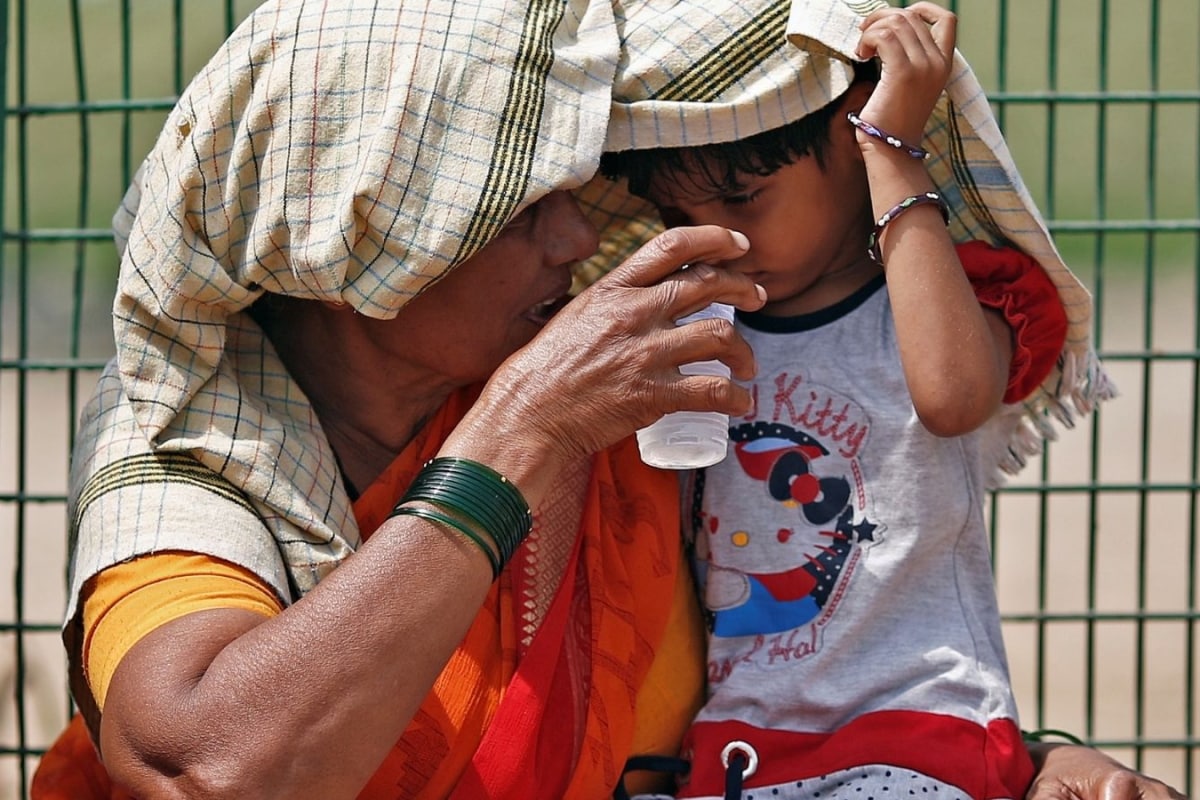
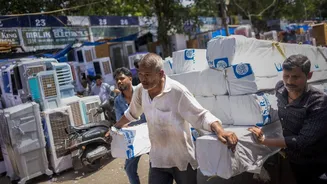
economic growth at a time when policymakers are already grappling with price pressures linked to the conflict in the Middle East. The southwest monsoon is a critical driver of the Indian economy, supplying nearly 70 per cent of the country’s annual rainfall. It replenishes reservoirs, supports crop cultivation and sustains rural livelihoods in a nation where almost half of the agricultural land remains dependent on rainfall rather than irrigation. Weather officials have lowered expectations for this year’s monsoon, projecting rainfall at 90 per cent of the long-period average. The revised outlook is weaker than the 92 per cent estimate issued in April and would mark the poorest monsoon performance since 2015. Speaking at a press briefing, Earth Sciences Ministry Secretary M. Ravichandran said an El Niño event is likely to emerge and affect rainfall patterns during the season. The weather phenomenon is expected to strengthen in the second half of the monsoon, potentially ranging from moderate to strong intensity. Rainfall during June is also projected to remain below normal, at less than 92 per cent of the long-period average. In addition, the monsoon's advance has slowed, with rains now expected to reach India’s southern coast later than previously forecast. Inflation And Growth Risks Come Into Focus Economists warn that weaker rainfall could create fresh challenges for the economy by driving up food prices and reducing rural demand. "Prospects of weak rainfall and distribution add to inflation risks and weigh on growth," said Gaura Sengupta, chief economist at IDFC First Bank, according to a Reuters report. "A deficient monsoon, particularly in the crucial July-August months, can add to the pressure and push up inflation closer to an average of 5.5 per cent if food inflation spikes," Sengupta said. India’s retail inflation stood at 3.48 per cent in April, supported largely by food-price trends. However, rising energy costs linked to geopolitical tensions have already clouded the inflation outlook, making monsoon performance even more important for policymakers. The impact of below-normal rainfall could extend beyond inflation and affect farm incomes, crop production and consumer spending in rural areas. India's History With El Niño India has historically experienced weaker rainfall during El Niño years, with some episodes leading to drought-like conditions and significant crop damage. Although government stockpiles of rice and wheat remain comfortable, uneven rainfall could reduce farm earnings across large parts of the country. Lower agricultural incomes often translate into weaker demand for products ranging from motorcycles to household appliances, affecting broader economic activity. "Below-normal rainfall could affect early-season planting of pulses, cotton, edible oilseeds and coarse grains such as corn," said Ashwini Bansod, vice president for commodities research at Phillip Capital India, a Mumbai-based brokerage, added the report. Rice cultivation could also face challenges in rain-fed regions across northern and northwestern India, according to Bansod. Heatwave Conditions Add To Concerns The monsoon outlook comes as several states continue to battle intense heatwave conditions, with temperatures crossing over 45 degrees Celsius in some areas. Weather officials have indicated that maximum and minimum temperatures during June are likely to remain above seasonal averages across many parts of southern, western, central and northern India. As one of the world’s largest agricultural producers and a major exporter of rice, onions and sugar, India’s monsoon performance is closely watched by global commodity markets. Any prolonged weakness in rainfall could have implications not only for domestic food prices but also for international agricultural trade flows.