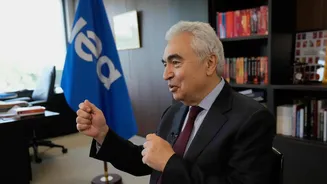
PARIS (AP) — Europe may have only six weeks of jet fuel remaining, according to Fatih Birol, the Executive Director of the International Energy Agency
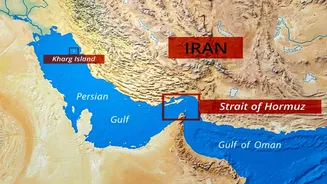
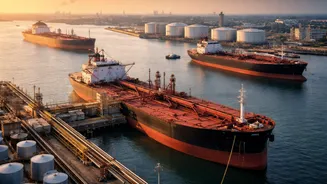
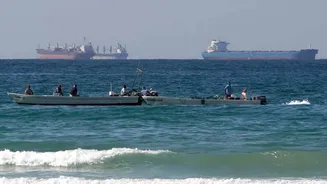
(IEA), who spoke in an interview with the Associated Press on Thursday. He cautioned that without a resolution to the ongoing oil supply disruptions caused by the conflict in Iran, flight cancellations could occur soon. Birol described the situation as part of what he termed 'the largest energy crisis we have ever faced,' resulting from the blockage of essential oil and gas supplies through the Strait of Hormuz. The ramifications of this crisis extend beyond Europe, impacting the global economy significantly.
Global Economic Impact
Birol expressed grave concerns regarding the broader economic implications of the energy crisis. He stated, 'In the past there was a group called ‘Dire Straits.’ It’s a dire strait now, and it is going to have major implications for the global economy. And the longer it goes, the worse it will be for the economic growth and inflation around the world.'
Regional Vulnerabilities
He noted that the consequences of rising energy prices will manifest in higher costs for petrol, gas, and electricity. 'The front line is the Asian countries' that rely heavily on energy imports from the Middle East, specifically identifying nations such as Japan, Korea, India, China, Pakistan, and Bangladesh as particularly vulnerable.
Potential Flight Cancellations
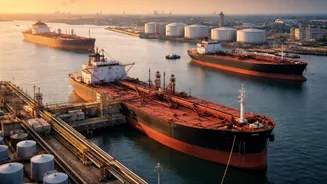
Birol further indicated that if the Strait of Hormuz remains closed, Europe could soon experience flight cancellations due to jet fuel shortages. He stated, 'I can tell you soon we will hear the news that some of the flights from city A to city B might be canceled as a result of lack of jet fuel.'