





What is the story about?
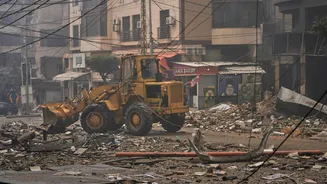
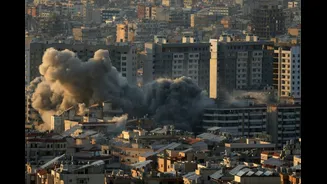
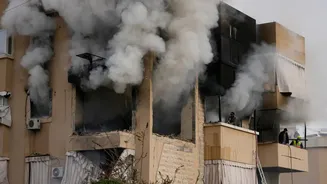
BEIRUT, Lebanon (AP) — Explosions rocked Beirut early Monday as Israel launched strikes on the Lebanese capital and intensified attacks on Tehran. Concurrently,
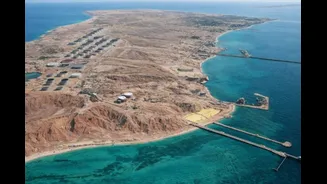
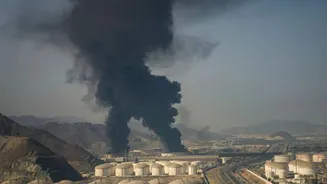
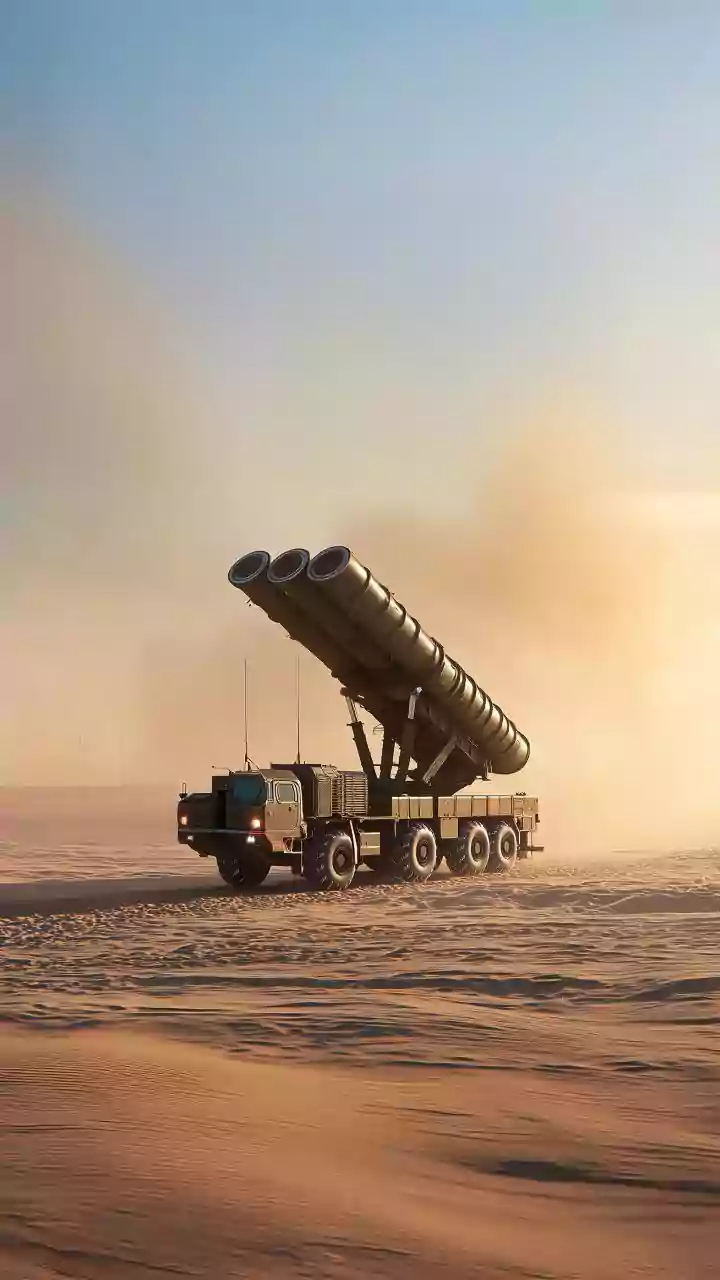
Dubai International Airport temporarily closed after an Iranian drone struck a fuel tank, further escalating regional tensions. In response to ongoing U.S. and Israeli military actions, Iran has increased assaults on Israel, U.S. bases, and Gulf Arab energy infrastructure using drones and missiles. This escalation has effectively halted shipping traffic in the Strait of Hormuz, raising concerns about a potential global energy crisis.
Impact on Oil Prices
Brent crude oil prices remained above $100 per barrel, trading at $104 on Monday, marking a nearly 45% increase since the attacks on Iran began on February 28. The price has surged to approximately $120 at its peak during the conflict.President Donald Trump revealed he has requested that seven nations send warships to ensure the safety of the Strait of Hormuz, though no commitments have been made. His party expresses concern that rising fuel prices may adversely affect Republican prospects in the upcoming elections.
Iran's Military Response
Iran’s Foreign Minister Abbas Araghchi dismissed claims that Iran seeks to negotiate an end to the conflict, stating that the country is not pursuing either a truce or talks. He emphasized that Iran's military will continue its offensive until the U.S. acknowledges the illegality of its actions.Araghchi's comments reflect Iran's firm stance amid ongoing military operations, with the country having launched hundreds of missiles and drones targeting Gulf nations that host U.S. military assets.
Drone Attack on Dubai Airport
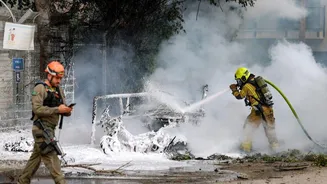
A drone attack near Dubai International Airport caused a significant fire, leading to the temporary suspension of flights. Fortunately, no injuries were reported, and operations resumed a few hours later.Additionally, an Iranian missile struck a vehicle in the UAE capital, resulting in one fatality. A drone attack also ignited a fire at an oil facility in Fujairah, one of the emirates.
Escalation of Hostilities
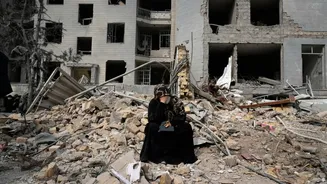
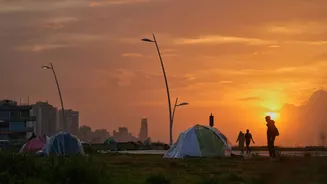
Israel's military confirmed that it targeted Iranian missile sites in Tehran following its attacks on Beirut, claiming to strike infrastructure linked to Hezbollah. The Israeli army issued evacuation orders in various neighborhoods of Beirut and southern Lebanon, where over 800,000 individuals have been displaced due to ongoing hostilities.Casualty figures from the conflict indicate that at least 850 individuals have died in Israeli strikes, including 107 children and 66 women, while Iran has reported over 1,300 fatalities since the conflict escalated.
Trump's Coalition Efforts
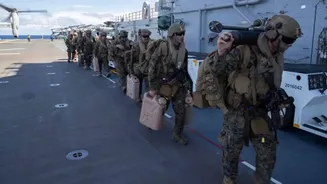
During a flight back to Washington, Trump refrained from specifying which countries might join the coalition to secure the Strait of Hormuz but indicated that he would remember those that do not offer assistance. He pointed to British Prime Minister Keir Starmer as having initially declined to deploy British aircraft carriers.European Union foreign policy chief Kaja Kallas announced that EU foreign ministers would discuss extending their naval mission in the Red Sea to the Strait of Hormuz, though details regarding implementation remain unclear.
Japan's Response to Oil Supply Concerns
Japanese Prime Minister Sanae Takaichi confirmed that her government has not received any communication from Washington regarding Trump's request for assistance in protecting the Strait of Hormuz. Japan, which imports over 90% of its crude oil from the Middle East, has initiated the release of its oil reserves to mitigate supply concerns and rising prices.Trump expressed optimism that oil prices would decrease soon, although he did not clarify whether his administration is considering selling oil futures to stabilize surging prices.