








What is the story about?
The reported differences within the Election Commission of India over the Special Intensive Revision (SIR) of electoral rolls have drawn sharply different
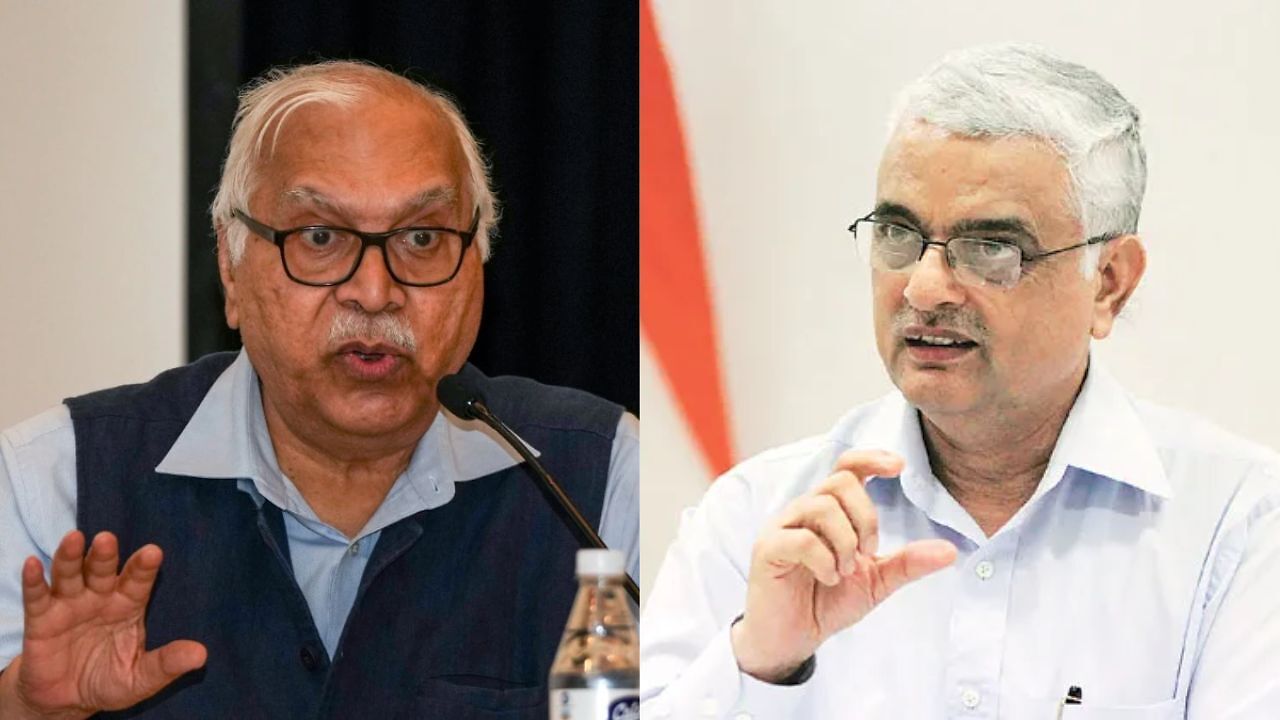
reactions from former chief election commissioners and officials, with some describing the developments as deeply concerning while others stating that disagreements are part of institutional decision-making. Former Chief Election Commissioner OP Rawat called reports of the alleged differences “very serious” and “unfortunate”. Reacting to the reports, Rawat said that during his tenure, decisions were generally taken unanimously and differences were resolved through consensus.
Rawat also raised specific concerns over the reported changes to Form 6, the statutory form used by new voters to register themselves. According to the Indian Express report, the two Election Commissioners had objected to the addition of questions linked to the previous SIR exercise, arguing that the form could not be altered through SIR instructions without changes to the relevant rules. Rawat described the reported alteration as “absolutely wrong and illegal”.
Former CEC SY Quraishi took a stronger view of the reported objections. He pointed to Section 18 of the Chief Election Commissioner and Other Election Commissioners Act, 2023, which says that the Commission's business should, as far as possible, be conducted unanimously and that differences are to be decided by majority. He said the disclosures raise questions about whether decisions reported to have been taken without the knowledge of two Commissioners were decisions of the Commission at all.
Quraishi also said the reported concerns over Form 6 and centralisation of electoral-roll data required scrutiny. He argued that the Election Commission is a three-member constitutional body and not simply another name for its chairperson.
Speaking to Times Now Digital, former CEC TS Krishnamurthy focused on the need to balance the cleaning of electoral rolls with adequate safeguards for voters. He said the ECI has a duty to maintain the purity of electoral registers but must also ensure that voters are given adequate time to raise and redress grievances.
A former ECI official, Dr Mohd Amin, also viewed the reported differences through the lens of institutional decision-making. He told Times Now Digital that disagreements can arise when reforms are introduced and that members can eventually reach consensus as the process moves forward. Such differences, he said, should not automatically be viewed as an attack on democratic values.
The reactions come after a report said Election Commissioners Sukhbir Singh Sandhu and Vivek Joshi had recorded objections at least 14 times over 10 months to decisions and orders relating to electoral rolls, including changes to Form 6, voter deletions and the handling of the poll panel’s digital database.
The Election Commission has rejected the report of an internal rift, saying written observations and differing views are part of its normal deliberative process and maintaining that all decisions, including those related to SIR, were ultimately unanimous.