








What is the story about?
Google has unveiled a significant redesign of its Maps app, incorporating advanced artificial intelligence features aimed at improving navigation and user
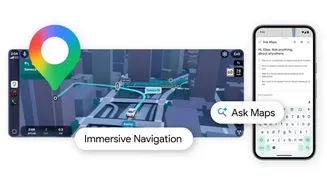
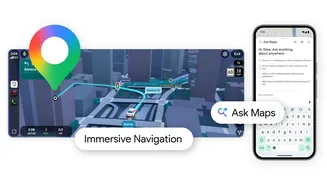
experience. This update, announced on Thursday, leverages Google's Gemini technology to enhance the functionality of a service utilized by over 2 billion people globally. The redesign introduces two new AI tools designed to assist users in planning their journeys more efficiently. The first feature, Ask Maps, allows users to engage in conversational queries to receive personalized recommendations for nearby amenities and travel itineraries.
New AI Tools Introduced
Ask Maps builds on the conversational capabilities that Google integrated into its Maps service last November. This feature offers tailored suggestions for users seeking nearby locations such as charging stations, cafes with minimal wait times, or detailed itineraries for multi-stop road trips.The recommendations provided by Ask Maps utilize a comprehensive database that includes over 300 million places and insights from more than 500 million contributors, accumulated since the launch of Google Maps more than two decades ago. Although Google executives refrained from commenting on potential advertising strategies related to Ask Maps, the feature will initially be available on mobile platforms in the U.S. and India, with plans for future expansion to personal computers and additional countries.
Immersive Navigation Enhancements
The second major feature, Immersive Navigation, aims to revolutionize driving directions by offering a three-dimensional perspective that helps users understand their surroundings better. This tool provides 3D renderings of landmarks, road medians, and other relevant terrain details to facilitate quicker orientation for drivers.Google asserts that the AI safeguards in place are robust enough to mitigate the risk of the Gemini technology producing inaccurate location data, a phenomenon known as 'hallucination.' Immersive Navigation will also enhance route explanations by clearly outlining the advantages and disadvantages of various driving paths and identifying optimal parking locations upon arrival.
Broader Implications of AI Integration
This increased focus on artificial intelligence within Google Maps follows the company's successful implementation of Gemini technology in other popular products, such as Gmail and the Chrome web browser. This shift underscores Google's confidence in its Gemini 3 model, which was released late last year amid escalating competition for AI dominance from emerging rivals like OpenAI and Anthropic.The new AI-driven features will initially launch in the U.S. on the Google Maps mobile app for iPhone and Android devices, as well as in vehicles equipped with CarPlay and Android Auto capabilities. As part of its ongoing commitment to innovation, Google continues to enhance its mapping services to provide more proactive and user-friendly experiences.