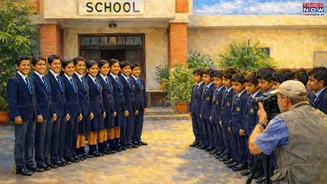









India’s schools speak the language of equality fluently with human rights posters on walls, constitutional values in textbooks and diversity celebrated
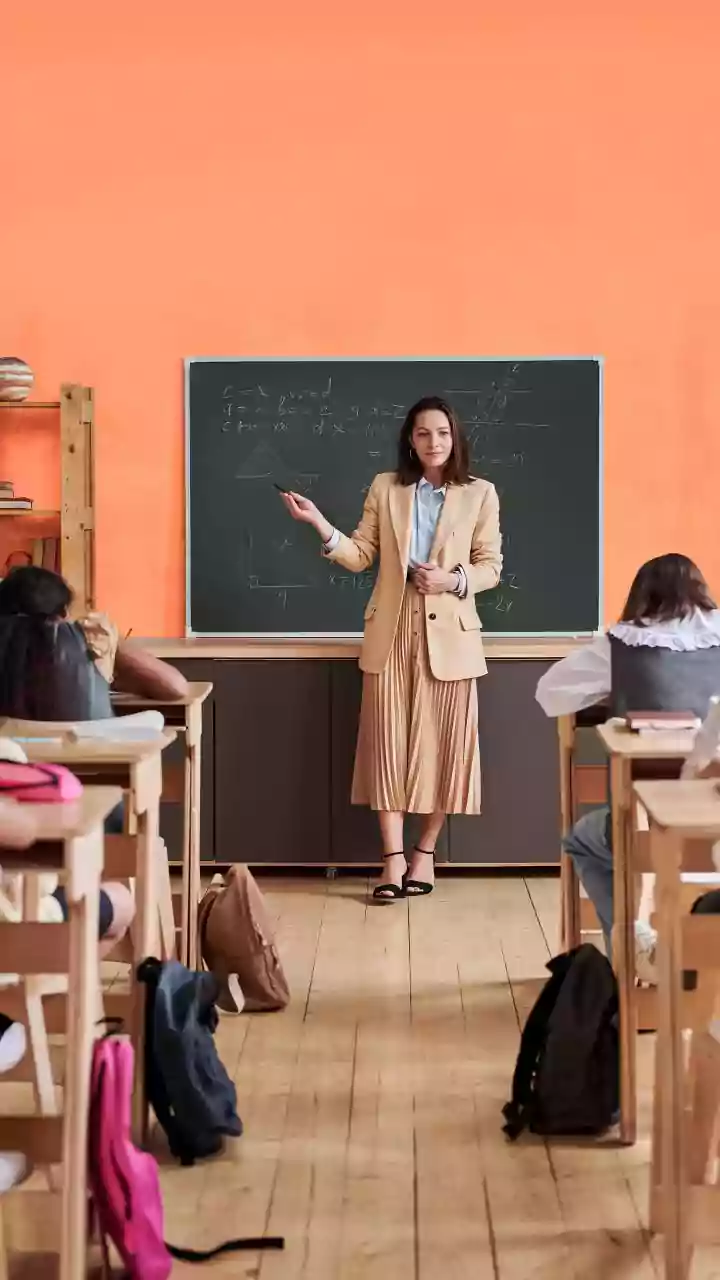
on annual days. But inside many private school classrooms, especially in metro cities, this inclusivity often ends at admission. While mandates ensure seats for children from the Economically Weaker Section (EWS), what unfolds daily is a quieter, more damaging form of discrimination, one that teaches children exactly where they stand in the social order. “Mandates can get you a seat, but not the recognition you deserve,” shares a disappointed Delhi school teacher who has witnessed a disturbing change in how teachers and school management treat students from the Economically Weaker Section (EWS). Remarks about background, skin colour and state of origin are made casually, sometimes even in public spaces. EWS students are labelled, separated and spoken about as liabilities rather than learners. The teacher’s own experience of teaching across cities tells a similar and deeply troubling story. Here she goes. I have taught in both Tier-II and Tier-I cities and have seen starkly different attitudes towards children from economically weaker sections. The definition of 'equal opportunity' is altered and also twisted the moment you enter a private school in Delhi. This difference is far more visible in metro cities, where parents are often more concerned about social image than a child’s actual learning. As per CBSE rules, 25 per cent of seats at the entry level in private unaided schools must be reserved for children from EWS and Disadvantaged Groups (DG). Schools have no choice but to comply with this mandate to retain and renew their recognition, but what happens inside classrooms reveals a very different reality. What shocked me to the core was that parents of EWS students were not called for Parent-Teacher Meetings. Why? Because the school felt the egos of rich parents might get hurt by sharing the same room. Can you imagine that? Doesn’t an EWS parent have the same right to discuss their child’s progress, struggles and growth? When I strictly opposed this practice, the parents were called separately the next day during school hours so they would not accidentally be seen by wealthy parents who sometimes come to pick up or drop their children. I have seen children judged by their background, skin colour and economic status. As part of my role, I am responsible for making videos of student activities for the school’s social media promotion. I was categorically told not to film EWS students and to focus only on 'gore aur ameer bache' (fair and rich kids). What Matters Most Is Admission Not Accountability This discrimination is not subtle. Rich children are protected at all costs, while poor and EWS students are sidelined and sometimes punished far more harshly. And what this everyday discrimination does is far more damaging than poor grades or missed opportunities. It quietly teaches children that equality is conditional. Children from disadvantaged backgrounds quickly learn that they are being accommodated not welcomed. They are praised less, showcased never and disciplined more. They are rarely chosen for leadership roles, performances or public-facing activities. Over time, two classrooms begin to exist within one where confidence is nurtured and another where silence is encouraged. The message is subtle but sharp: you are here because the law demands it, not because you belong. For richer students, the lesson is equally dangerous. They grow up watching privilege bend rules, soften consequences, and command deference. When schools protect them at all costs—overlooking misbehaviour, shielding teachers who serve their interests, or prioritising parental egos, they normalise entitlement. This is not education. It is social conditioning. All this stands in direct contradiction to the values our Constitution talks about, which is equality, dignity and justice. Schools are meant to be the first spaces where these ideals are practised not merely recited during morning assemblies. The bias does not stop with students. It extends to teachers as well. Teachers from marginalised backgrounds, those with darker skin tones, regional accents or fromTier-II cities, are often judged not by their skills and background but by their appearance and 'presentation.' Skills, experience and commitment are sidelined in favour of how well one fits an elite, urban aesthetic. In my case, I was made to feel that my makeup mattered more than my teaching skills. When a teacher is reduced to how she looks rather than what she brings to the classroom, the institution reveals its priorities. Merit becomes secondary to marketability. If schools, the very institutions entrusted with shaping young minds cannot practise equality, then what are we really teaching our children? That justice is performative. That rights are hierarchical. That humanity comes with conditions. And that may be the most dangerous lesson of all.