




What is the story about?
For nearly a decade, Lesley VanNess attended the South Beach Wine & Food Festival, a premier event featuring celebrity chefs and gourmet cuisine. Held
annually in Miami, the festival attracted tens of thousands of participants eager to engage with culinary icons and enjoy exclusive tastings. However, the rise of social media has transformed the way food enthusiasts interact with chefs, leading to a decline in attendance at traditional food festivals. VanNess, a former restaurant owner, has not returned to South Beach since 2020, preferring to connect with chefs through social media platforms and dining at their restaurants instead.
The State of Food Festivals
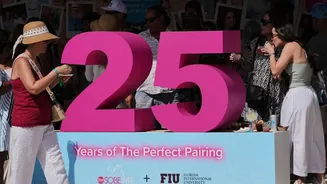
Last weekend marked the 25th anniversary of the South Beach Wine & Food Festival, a significant milestone that highlights its longevity alongside similar events like the New York City Wine & Food Festival and the Food & Wine Classic in Aspen, Colorado. While these large festivals continue to thrive, many smaller events have disappeared due to challenges such as the pandemic, rising operational costs, and shifting consumer interests.Mike Thelin, co-founder of the now-defunct Feast Portland festival, stated, “South Beach and New York fill a niche and I can see them going on forever. But food events and food festivals are going in a whole other direction.” He noted that the demand for festivals has changed, as chefs and food influencers no longer rely on festivals to reach their audience.
A Shift Towards Localized Events
Despite challenges, food festivals are not extinct. Thelin emphasized a shift towards smaller, localized events that focus on regional culinary identities rather than large-scale gatherings. He explained, “If I’m going to a certain region, I want to know what makes that region special.”New events, such as the AAPI Food & Wine Festival, are emerging to celebrate diverse culinary traditions and foster community connections. Founder Lois Cho remarked, “The foodie scene has changed so much,” emphasizing the importance of creating narratives that resonate with attendees.
Enduring Popularity of Major Festivals
Despite the evolving landscape, major festivals like the South Beach Wine & Food Festival remain popular. This year, tickets for nearly all of the festival's 110 events sold out, attracting over 30,000 attendees. Festival organizer Lee Schrager noted that the event continues to raise significant funds for the Florida International University Chaplin School of Hospitality and Tourism Management, totaling over $45 million in its history.Schrager explained the unique experience of attending an event compared to engaging with chefs online, stating, “There’s something very different about DM’ing Bobby Flay than going to an intimate dinner at a table of 10 that he’s doing that’s sold out in three days.” He acknowledged that smaller festivals often lack the financial backing to replicate the success of larger events.
The Future of Food Festivals
Celebrity chef Rachael Ray, who has been a consistent presence at the South Beach and New York festivals, highlighted the value of in-person interactions with fans. She expressed, “I love talking to people, being with people, having people climb all over you, hang on you, give you a compliment.”As the culinary landscape continues to evolve, food festivals must adapt to the changing preferences of attendees, balancing traditional experiences with innovative approaches to engage new audiences.