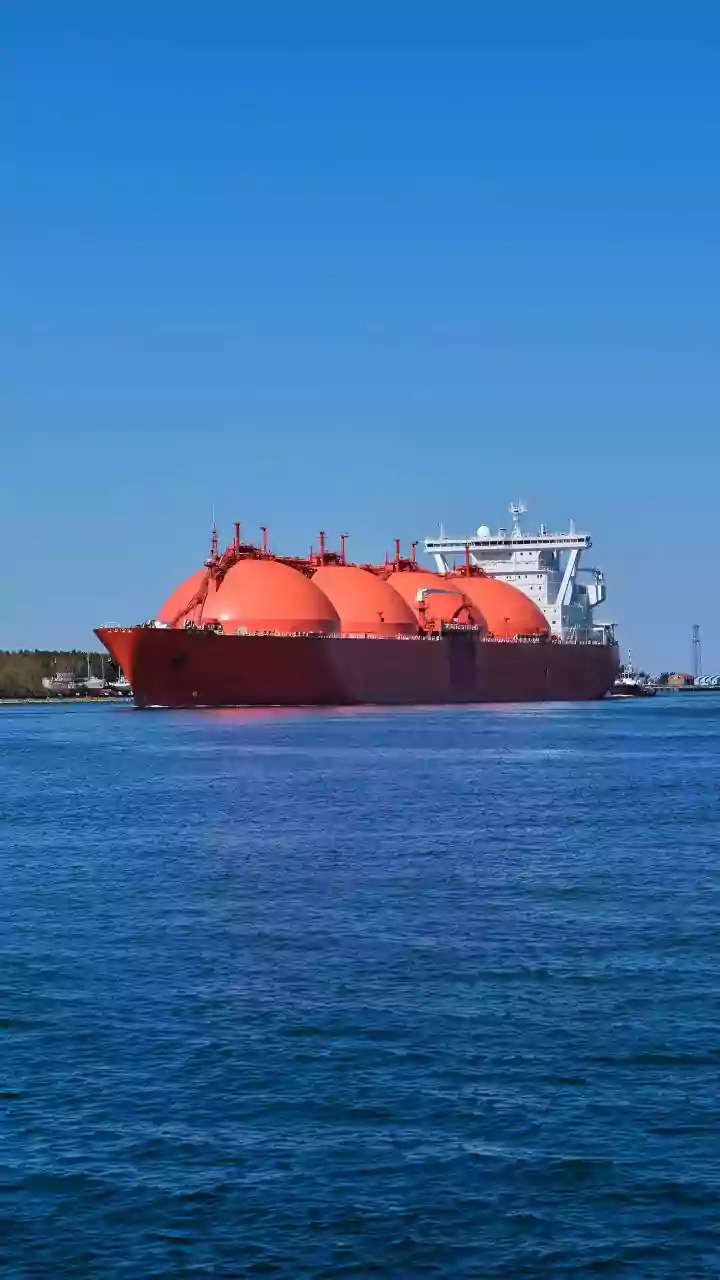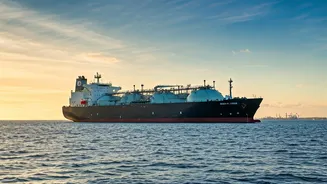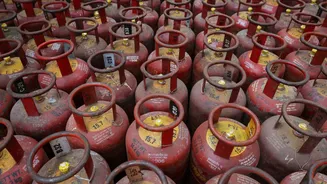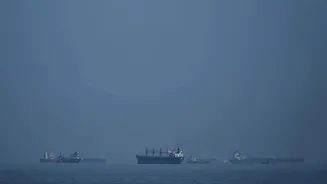



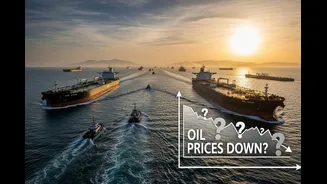
An India-flagged liquefied petroleum gas (LPG) tanker has passed through the Strait of Hormuz, becoming the first Indian vessel to do so after a temporary
ceasefire between the United States and Iran, according to ship-tracking data. The tanker, Jag Vikram, moved across the strategic waterway between Friday night and Saturday morning. By Saturday afternoon, it was in the Gulf of Oman, heading eastward. Jag Vikram is the ninth Indian ship to exit the Persian Gulf since early March. Around 15 India-flagged vessels are still in the region, waiting for safe passage. The vessel is owned by Great Eastern Shipping Company and has a carrying capacity of over 26,000 tonnes. Trade sources estimate it could be carrying around 20,000 tonnes of LPG, reports PTI. At the start of the West Asia conflict, at least 28 Indian-flagged ships were in the Strait of Hormuz area, with most positioned on the western side. Before this latest movement, several vessels had already managed to leave the region, though many ships, including foreign-flagged ones carrying cargo for India, remain stuck in the Persian Gulf. Shipping data indicates hundreds of vessels are still in the area, including oil tankers, LPG carriers and liquefied natural gas (LNG) ships that were delayed due to the disruption. India depends heavily on energy imports, sourcing most of its crude oil, a significant share of natural gas, and a large portion of LPG from overseas. Much of these supplies pass through the Strait of Hormuz, a crucial global shipping route that had been shut during the conflict. The United States and Iran agreed earlier this week to a conditional two-week ceasefire that includes reopening the waterway for maritime traffic. During the disruption, India reduced LPG supply to commercial users such as hotels and restaurants but later restored a majority of the supply after arranging alternatives. Natural gas supplies to industries were also cut initially to prioritise essential use, though allocations have since been increased gradually.