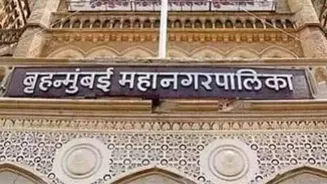

Mumbai is set to elect its next Mayor in the last week of January 2026, with reports indicating that the election is likely to be held on January 28. The
election will take place during a special meeting of the Brihanmumbai Municipal Corporation (BMC), making it a key political moment in the city’s civic calendar. Unlike other mayor elections, Mumbai’s Mayor is not chosen by public voting. Instead, the post is decided through an indirect election by corporators inside the BMC House, where numbers and alliances play a decisive role.
How the Mumbai Mayor Is Elected
The process begins with the Urban Development Department conducting a lottery to determine the reservation category of the mayor’s post. This could be for the general category, women, or reserved classes. Only after the reservation is announced can eligible corporators file their nominations.
Also Read | ‘Tilak on Foreheads, Rooms in Five-Star Hotels’: How Eknath Shinde Is Securing Sena Corporators After BMC Polls
The mayoral election is then held at a special meeting of the BMC. All elected corporators cast their votes, and the candidate who secures the maximum number of votes is declared Mayor. The Deputy Mayor is elected through the same process.
While a simple majority usually determines the outcome, the law does not require the single largest party to automatically get the Mayor’s post. If no party has a clear majority, alliances and post-poll negotiations become crucial.
Why This Election Is Different
This will be the first mayoral election with 10 nominated corporators in the House, following a March 2023 amendment to the Mumbai Municipal Corporation Act. Earlier, the number of nominated members was capped at five.
With the BJP emerging as the single largest party, it is expected to secure the largest share of nominated corporators, which could significantly influence the final vote. The remaining nominated seats are likely to be distributed among alliance partners and opposition parties.
What This Means for Mumbai
Although the party with the highest number of corporators often ends up securing the Mayor’s post, history shows that numerical strength combined with alliance support ultimately decides the outcome. In a politically fragmented House, shifting loyalties and strategic tie-ups cannot be ruled out.