




What is the story about?
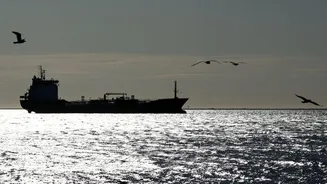
After weeks of tension, US President Donald Trump has backed a two-week ceasefire, and Iran has signalled safe passage for ships through the critical Strait
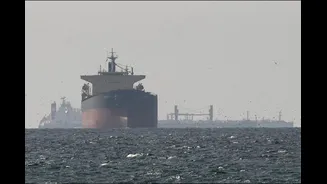
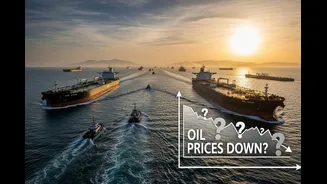
of Hormuz, the critical route that carries nearly 20% of the world's oil. On paper, that sounds like a turning point. In reality, the situation is far more complicated for the world and India. Even if the Strait of Hormuz reopens today, India is unlikely to see immediate relief.
Why supply and shipping won’t bounce back overnight
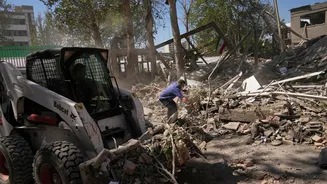
Iran's response to the conflict went beyond disrupting shipping lanes, it struck oil and gas infrastructure across the region. Key facilities in Saudi Arabia, Qatar, the United Arab Emirates, and Kuwait have taken hits. Repairs to refineries and pipelines could take months, limiting how much fuel actually reaches global markets.
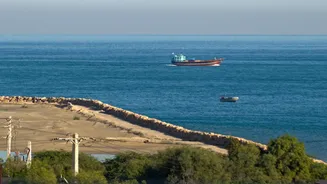
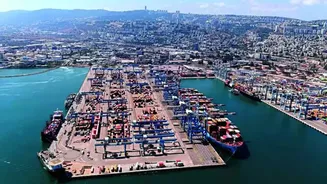
The Strait of Hormuz is already facing disruption a day into the truce. Even if it reopens and remains functional as Iran promised, it won't mean shipping can instantly return to pre-war levels. Even if tankers can pass safely, shipping volumes will not instantly return to normal. Port congestion, rerouted vessels, and logistical backlogs will slow things down.
Moreover, global shortages are still biting. Several countries, including Pakistan, Philippines, and Thailand, are already facing acute fuel shortages.
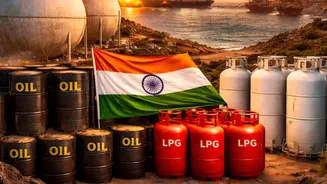
When it comes to India, New Delhi imports over 80% of its crude oil. Even if crude starts flowing more freely, refined fuels like diesel and jet fuel, already trading at record highs above $200 per barrel, will take longer to stabilise.
A quick look back: Why this isn’t 1991 all over again
India has been here before, though under far more fragile conditions. In the 1990s, the Gulf War sent shockwaves through global oil markets after Iraq invaded Kuwait, wiping out millions of barrels per day from supply. Prices surged, and for an oil-dependent country like India, the impact was immediate and severe.
Back then, India's economic position was also precarious. It was spending far more than it earned, running large fiscal and current account deficits, and relying heavily on external borrowing. When oil prices spiked, the system could not absorb the shock. By 1991, foreign exchange reserves had plunged to critically low levels, barely enough to cover a few weeks of imports, pushing the country to the brink of default.
What followed were emergency measures that reshaped the economy, gold was pledged to raise foreign currency, an International Monetary Fund bailout was secured, and sweeping reforms were introduced.
But even then, recovery was not instant. It took months for stability to return, as supply chains normalised and confidence slowly rebuilt.
Fast forward to 2026, and while India still depends heavily on imported oil, the fundamentals are far stronger. The economy is larger and more diversified, and energy sourcing is spread across 35-40 countries, including the United States, nations in West Africa, Latin America, and Russia.
Which is why, in the current crisis, the risks are more about disruption and delay, not systemic collapse.
The reopening of the Strait of Hormuz would help, but it won't bring instant relief. As the 1991 balance of payments crisis showed, disruptions like these take time to settle, even after the immediate trigger is resolved.
For India, that means fuel supply and prices are likely to stabilise gradually over weeks or months, not overnight. The difference today is that India is far better prepared. So while consumers may not feel relief immediately, a crisis on the scale of the early 1990s is unlikely. The system can absorb the shock and recover, step by step.