



Iran has declared a “historic victory” after US President Donald Trump announced a temporary truce, but the fine print of Tehran’s ceasefire proposal suggests
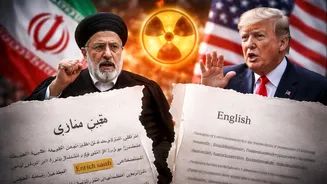
that its nuclear programme remains far from resolved. Alongside the ceasefire, Iran unveiled a 10-point plan outlining conditions for de-escalation, including a key demand that the United States accept its right to uranium enrichment, a long-standing red line for the Islamic Republic. This crucial clause appears to be at the center of a growing controversy. The proposal demands US recognition of Iran's uranium enrichment programme and the complete lifting of sanctions. However, according to a report by AP, the phrase “acceptance of enrichment” is present in the Farsi-language version of Iran’s proposal but conspicuously absent from the English version circulated more widely. The discrepancy has raised questions over whether the truce framework contains deliberate ambiguity, or a strategic attempt. Also Read: Israel Backs Trump's Truce With Iran—But Says Lebanon Off The Table
What has Trump said on Iran's nuclear program?
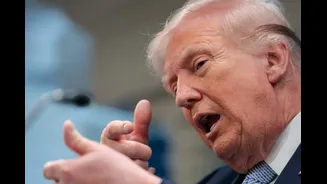
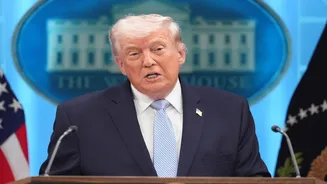
It would be unusual if Trump agrees to accept Iran's uranium enrichment, given how Iran's nuclear programme has been the key point of the war. In his version, the US president has claimed the provisional ceasefire with Iran is a “total and complete victory” and said the issue of uranium would be “perfectly taken care of” in a phone interview with Agence France-Presse shortly after the announcement of the truce.
“One hundred percent. No question about it,” Trump said.
Trump also said that the issue of Iran’s enriched uranium stockpile would be “perfectly taken care of” under the deal “or I wouldn’t have settled”. The president had previously said “I don’t care” about the regime’s stockpiles when questioned about it, arguing it could be monitored by satellite.
Iran's other demands for ending the war include control of the strait, the withdrawal of US combat forces from the region, the lifting of sanctions and the release of its frozen assets. The demands indicate an effort to remake both the geopolitical order in the Middle East and the global oil trade.