






Pakistan has urged India to engage “constructively” within the framework of the Indus Water Treaty, days after New Delhi rejected a ruling by the Permanent
Court of Arbitration and reiterated that the water-sharing agreement remains in abeyance. Pakistan foreign office spokesperson Tahir Andrabi said Islamabad remained committed to implementing the 1960 treaty “in letter and spirit”. According to PTI, he said Pakistan would take “all possible measures” to ensure the tribunal's decision was implemented and urged India to adopt the same approach. Pakistan had approached the Permanent Court of Arbitration in The Hague in March 2026 after India placed the treaty in abeyance.
India Rejects Hague Tribunal Ruling
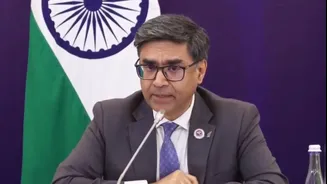
New Delhi, however, has rejected the arbitration process itself. The Ministry of External Affairs said India “categorically rejects its so-called award”, describing the body as “illegally constituted”. The ministry said India's decision to keep the Indus Water Treaty in abeyance “remains in force”.
According to the MEA, the tribunal issued an award on May 15, 2026, concerning maximum pondage and related to an earlier award on broader questions of interpretation of the treaty. India has maintained that the constitution of the arbitration body itself breached the terms of the treaty and that the tribunal has no jurisdiction over New Delhi's sovereign decision to place the agreement in abeyance.
Water Dispute Reaches SCO Summit
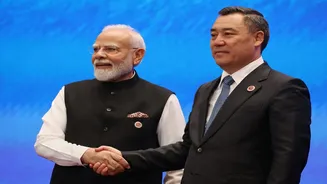
The latest exchange comes after the issue featured indirectly at the Shanghai Cooperation Organisation summit in Bishkek. Prime Minister Narendra Modi called for action against countries that use terrorism as an instrument of state policy, saying the region could not remain trapped in an “action-reaction approach”. He called for the dismantling of terrorist ecosystems, including funding networks, recruitment pipelines and territorial sanctuaries.
🚨| 𝗜𝗡𝗗𝗜𝗔 𝗥𝗘𝗝𝗘𝗖𝗧𝗦 𝗛𝗔𝗚𝗨𝗘 𝗪𝗔𝗧𝗘𝗥𝗦 𝗔𝗪𝗔𝗥𝗗: 𝗡𝗘𝗪 𝗖𝗟𝗔𝗦𝗛 𝗢𝗩𝗘𝗥 𝗜𝗡𝗗𝗨𝗦 𝗪𝗔𝗧𝗘𝗥𝗦
“The Indus Waters Treaty is in abeyance.” — Government of India
India has categorically rejected the latest pronouncement by the so-called Court of Arbitration… pic.twitter.com/puqI9Bq6ke— OpGrid India (@OpGridIndia) August 31, 2026
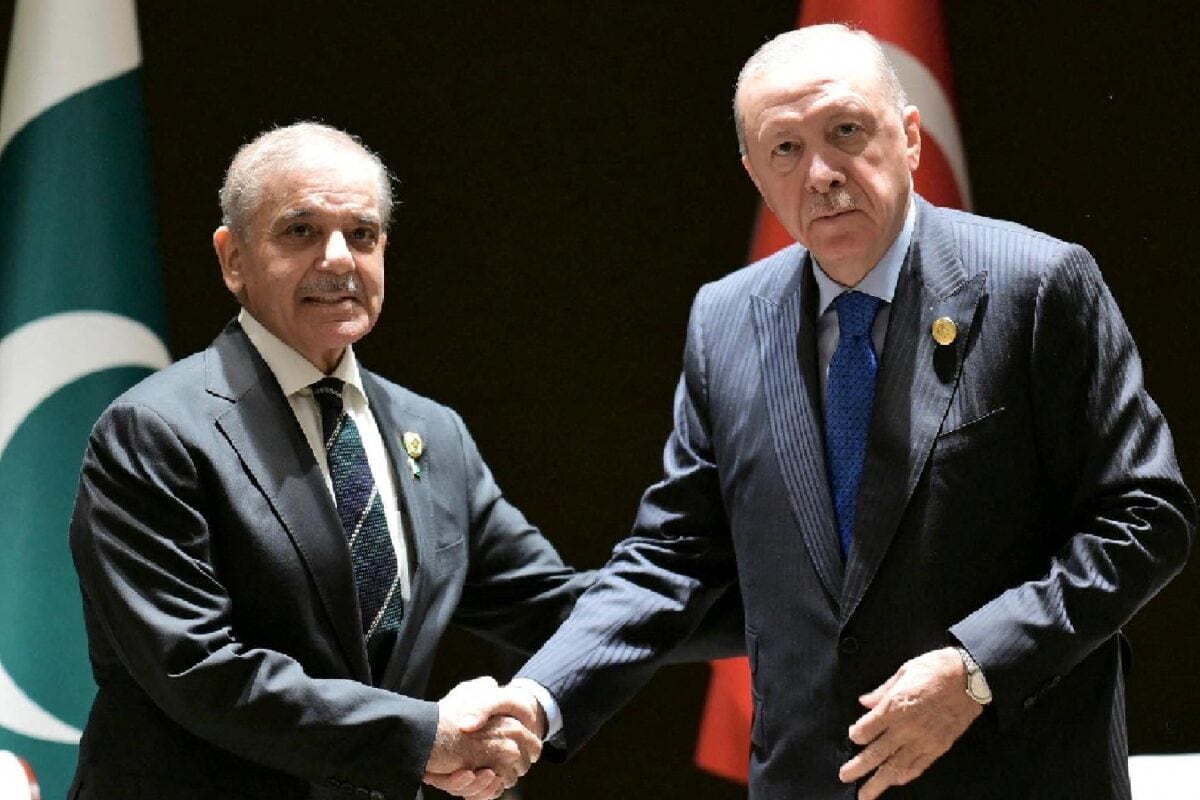
Pakistan Prime Minister Shehbaz Sharif, meanwhile, described water as the region's “lifeblood” and warned against its use as a weapon. According to Dawn, Sharif said treaties governing shared waters were binding international commitments and should be honoured “in both letter and spirit”.
The contrasting positions underline the wider dispute between New Delhi and Islamabad, with water now closely linked to the broader India-Pakistan security relationship.
Why India Suspended The Treaty
India placed the Indus Water Treaty in abeyance following the April 22, 2025 Pahalgam terror attack, in which 26 people were killed. The Cabinet Committee on Security approved the decision on April 23, 2025, with New Delhi saying the circumstances underlying the treaty had fundamentally changed.
India has subsequently maintained that the treaty will remain in abeyance until Pakistan “credibly and irrevocably abjures its support for cross-border terrorism”. Pakistan's latest appeal for dialogue therefore comes with both sides still holding fundamentally different positions — Islamabad insisting that the treaty remains binding, while New Delhi maintains that its suspension remains in force.