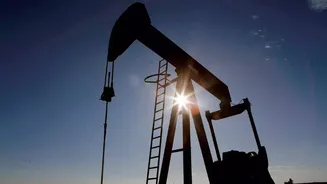






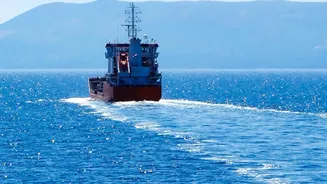


Oil prices remained close to their highest levels in more than a week on Tuesday as optimism over a possible US-Iran agreement weakened, raising fresh
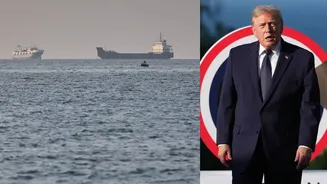
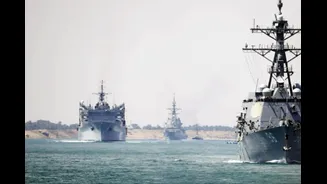
concerns over the reopening of the strategically important Strait of Hormuz. West Texas Intermediate (WTI) crude was up 0.09 per cent to $82.22 a barrel, while Brent crude gained marginally to $87.80 a barrel around 8:00 am. The latest movement follows a sharp rally in the previous trading session, when both benchmarks climbed more than 5 per cent and touched their highest levels since July 31. The jump in crude prices came after US President Donald Trump responded to Iran's conditions for a potential peace agreement by seeking compensation from Tehran for people killed in wars, attacks and protests. Trump subsequently said the United States had control over the Strait of Hormuz and had cleared the strategic passage of Iranian mines. The tougher stance has reduced expectations of an immediate agreement that could facilitate the reopening of the waterway. Oil prices had dropped by more than 7 per cent last week amid growing expectations that Iran and Oman were nearing an understanding that could pave the way for the strait to reopen. The Strait of Hormuz is critical to global energy markets. Before the conflict in the Middle East began in late February, the waterway handled about one-fifth of global oil and liquefied natural gas shipments. Iran Sets Conditions For Strait Of Hormuz Reopening Tehran has maintained that Washington must lift sanctions and fulfil several other requirements before the waterway can be reopened. Iran has also indicated that discussions with Oman on alternative shipping arrangements through the strait are close to completion. However, Tehran continues to insist that the removal of sanctions, compensation and an end to US military threats are among the conditions for reopening the passage. Iranian Foreign Ministry spokesperson Esmaeil Baghaei said on Monday that the strait would remain shut while the US naval blockade continued. Speaking during a weekly press conference in Tehran, Baghaei attributed the closure to military action by the US and Israel. Iran's semi-official Tasnim News Agency reported his remarks. Baghaei said, "As long as the US naval blockade continues, the necessary conditions for the reopening of the Strait of Hormuz do not exist." He also urged Washington to halt and reverse its "destructive actions", arguing that doing so would allow both sides to move towards negotiations. The Strait of Hormuz links the Persian Gulf with the Gulf of Oman and the Arabian Sea, making it one of the world's most important corridors for crude and LNG exports from Gulf producers. Baghaei further clarified that discussions regarding maritime transit arrangements were being conducted between Iran and Oman. Tehran Denies Active Direct Talks With Washington Iranian Foreign Minister Seyed Abbas Araghchi said on Sunday that Tehran and Washington were not currently engaged in direct negotiations. Speaking to journalists at the Foreign Ministry's Centre for Political and International Studies, Araghchi said, "We currently have no negotiations with the United States. Intermediaries are still making efforts to find ways to resume negotiations. From our perspective, there can be no resumption of talks until the United States ends its violations of the Memorandum of Understanding (MoU) and makes amends for the breaches it has committed." Araghchi reiterated that Washington would need to stop what Tehran considers violations of the MoU and address the alleged breaches before negotiations could resume. At the same time, he said technical talks between Iran and Oman concerning a modified maritime route through the Strait of Hormuz were close to being concluded. However, he cautioned that reaching an understanding with Oman would not necessarily result in the immediate reopening of the waterway. "Of course, this does not mean the opening of the Strait of Hormuz. This agreement may be reached, but the opening of the Strait of Hormuz is subject to a series of conditions." Oil Market Remains Vulnerable To Supply Disruptions The uncertainty surrounding the conflict and the future of the Strait of Hormuz continues to keep crude markets highly volatile. Any prolonged disruption to the waterway could intensify concerns about the availability of oil and LNG in international markets, potentially putting further upward pressure on prices. However, the latest rally remains significantly smaller than the surge witnessed during the earlier phase of the conflict. At its peak during that period, crude prices had climbed as high as $126 a barrel.