

What is the story about?
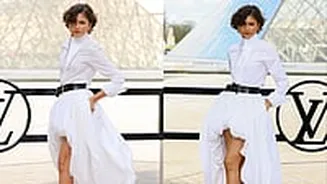
PARIS (AP) — Paris Fashion Week commenced with an array of celebrities gracing the runways, including notable figures such as Oprah Winfrey, Naomi Watts,
and Rooney Mara. The event showcases the latest collections from prominent fashion houses, setting the stage for a week of creativity and innovation. However, the focus this season extends beyond celebrity appearances. Designers are grappling with a pressing question: how to create clothing that resonates in a world characterized by uncertainty and turmoil. This shift in perspective is shaping the collections presented during the nine-day event.
Emerging Trends in Fashion
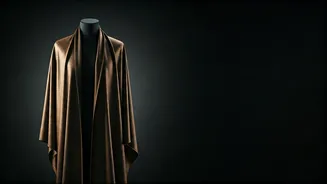
This season, three prominent trends emerged, reflecting a desire for practicality and resilience in fashion. The first trend featured protective clothing, with high collars, wrapped coats, and structured tailoring aimed at shielding the wearer.The second trend emphasized a return to sharper silhouettes, as designers moved away from the oversized styles that dominated previous seasons, favoring more defined shapes. Lastly, a new approach to glamour emerged, with looks that embraced a less polished aesthetic, incorporating messier hair and smudged makeup, signaling a departure from the traditional luxury ideal.
Fashion as Armor
Balenciaga exemplified the trend of protective clothing, showcasing designs that evoke a sense of unease and resilience. Designer Pierpaolo Piccioli collaborated with 'Euphoria' creator Sam Levinson, creating a collection that highlights the contrast between darkness and light.Givenchy's Sarah Burton also embraced this theme, presenting a collection that reflects the strength of various women rather than a singular ideal. Her designs featured strong tailoring and grounded evening looks, connecting fashion to real-life experiences.
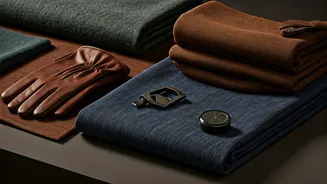
Junya Watanabe and McQueen further explored these concepts, with Watanabe transforming functional items like gloves and emergency blankets into couture pieces, while McQueen's collection highlighted themes of exposure and defense through its striking textures.
A Shift Towards Defined Silhouettes
The second notable trend at Paris Fashion Week involved a shift back to defined silhouettes. Celine's Michael Rider showcased clothing that embraced the body, moving away from oversized fits to more tailored designs. His collection featured cropped flares and long overcoats, emphasizing a crisp aesthetic.This movement towards sharper lines was echoed across various designers, with Burton and Piccioli incorporating elements that framed the figure rather than obscuring it. The season's designs conveyed a sense of strength and visibility, encouraging wearers to embrace their shapes.
Embracing Imperfection
The final trend observed was a celebration of less polished glamour. Designers sought to convey beauty intertwined with friction, as seen in Vivienne Westwood's collection, which juxtaposed themes of grief and pleasure through raw seams and unfinished looks.This appetite for imperfection resonated throughout the week, as designers like Rider and Piccioli captured the complexity of modern life through their collections. Rather than aiming for escapism, the fashion presented during Paris Fashion Week sought to empower individuals to navigate the challenges of the world.